Category English

Will The Voice Of Indigenous Peoples Disappear From WIPO Discussions To Protect Their Knowledge?

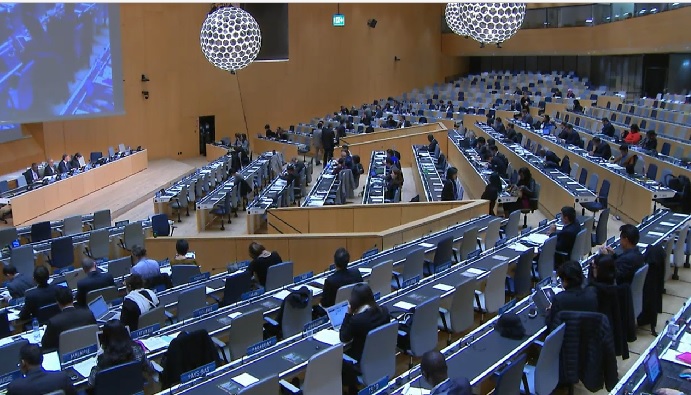
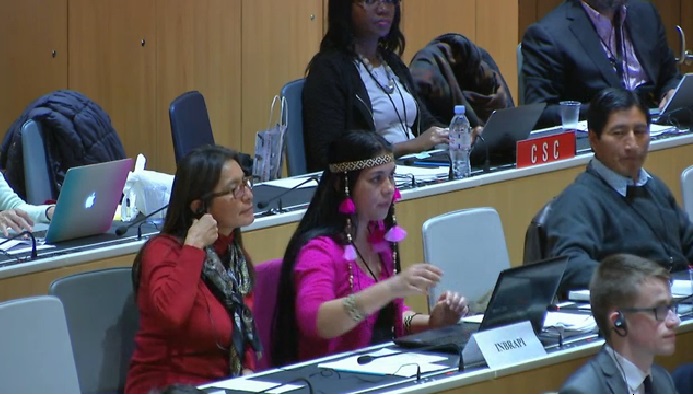
What would be the credibility of the World Intellectual Property Organization committee negotiating a system of protection for traditional knowledge held by indigenous peoples, if none of their representatives could participate in the meetings? That has been a recurring question asked by indigenous peoples and the organisation over the years. But now, if no voluntary contributions are made by governments or others, the next committee meeting could very well be first in 16 years held without a single observer from an indigenous community.


Support IP-Watch: An Appeal To Readers

Intellectual Property Watch needs your financial support. As one of our readers, you know that IP-Watch plays a vital role in international policymaking on intellectual property and innovation through its independent, reliable, balanced and dedicated news coverage. But like other…

TPP May Be Dead – But Its Impact Lingers

Despite the Trans-Pacific Partnership (TPP) being - to all-intents-and-purposes - dead in the water, pursuit of some of the most egregious objectives of the corporate interests driving the TPP agenda rolls on. Pharma is persisting in its push for countries to adopt not just TRIPS-Plus, but in some cases even TPP-Plus intellectual property rules - presumably groundwork for the later emergence of a ‘son-of-TPP’ agreement, three authors write.

WIPO Committee On Traditional Knowledge Agrees On Revised Text For Further Discussions

World Intellectual Property Organization delegates last week agreed on a revised set of draft articles to be further discussed at the next session of the committee working on a potential treaty to protect traditional knowledge. Views differed on the achievements of the week. For the proponents of a binding treaty, the text reflects a better understanding of issues, and some reduction in differences. However, for some developed countries not in favour of a treaty, gaps are still wide open and much work remains.

Non-Corporate Entities Join Forces Against Adoption Of Plant Breeders’ Rights Regulations In Africa

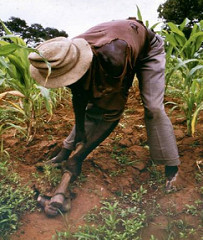
The United Nations Special Rapporteur on the Right to Food, civil society, and farmers' representatives have raised serious concerns on the upcoming adoption of draft regulations of a protocol protecting breeders' rights in Africa. Civil society groups and farmers' representatives have been blocked from participating in the meeting expected to adopt the regulations, according to them. The Special Rapporteur is calling for a halt to the process, and for starting again with a more transparent, inclusive, and evidence-based process.

ILO Decisions Said To Confirm EPO Staff Lack Fair Legal System

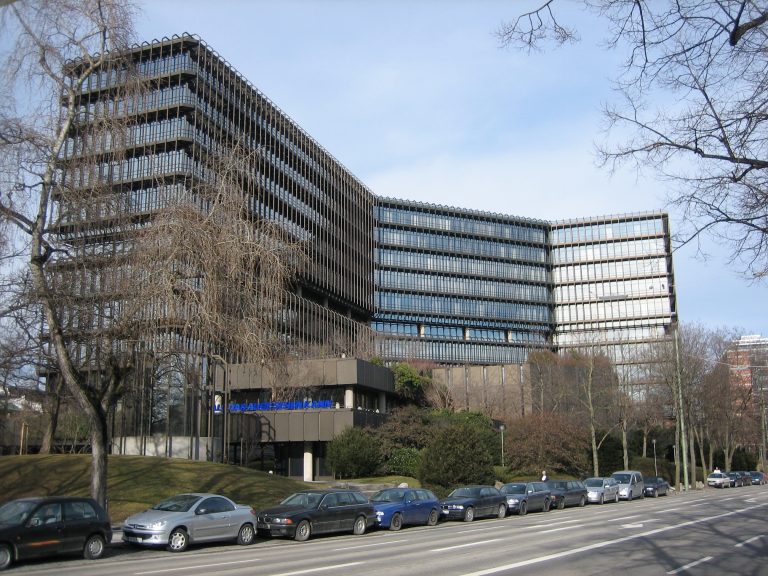
The International Labour Organization Administration Tribunal (ILO-AT) on 30 November set aside two European Patent Office (EPO) decisions rejecting employee challenges to various internal rules. The judgments, which sent the complaints back to the EPO on the grounds that they had not been handled by the proper authorities, highlight the lack of a “fair and functioning” legal system for EPO staff, said an employee source who asked to remain anonymous.

Helping Patenters In A Sea Of PAEs: Interview With LOT Network’s Ken Seddon

Patent assertion entity (PAE) activity has skyrocketed in the past decade and much discussion has occurred around what to do in response to patent holders whose strategy is more focused on legal battles than innovating. One notable group has risen up to bring together global companies to address the PAE issue with a novel sharing approach. In an interview with Intellectual Property Watch, Ken Seddon, CEO and President of LOT Network, talks about the group's rapid growth, what's coming next, and how not to bring a squirt gun to a nuclear fight.

Popcorn, Football And Chocolate – US Idea To Prompt Discussions At WIPO TK Committee

What do popcorn, chewing-gum, football, syringes, and chocolate have in common? According to a United States paper tabled at the World Intellectual Property Organization, they are all rooted in traditional knowledge. While most efforts are geared this week towards trying to find consensual language on a treaty protecting traditional knowledge, the US said a discussion on what is protectable and what is not would be instructive. Some other delegations resubmitted proposals introducing alternative means of protection than a binding instrument.