Category Trademarks/Geographical Indications/Domains

UPOV Meetings Conclude With New Observers; Tanzania Can Become UPOV Member

The international body protecting new varieties of plants concluded a week-long set of meetings with a number of decisions, among which was the re-appointment of its secretary general, and the addition of an international organisation and a farmers' organisation as observers. The national legislation on plant breeders of Zanzibar was approved, opening the way for Tanzania to become a UPOV member.

Review of “Digital Depression: Information Technology And Economic Crisis”

Information and communication technologies (ICTs), and in particular the internet, have revolutionized and disrupted all aspects of human activity, and even behaviour. This has resulted in many academic publications and much discussion, including in intergovernmental bodies, regarding various issues, including how best to govern the internet.

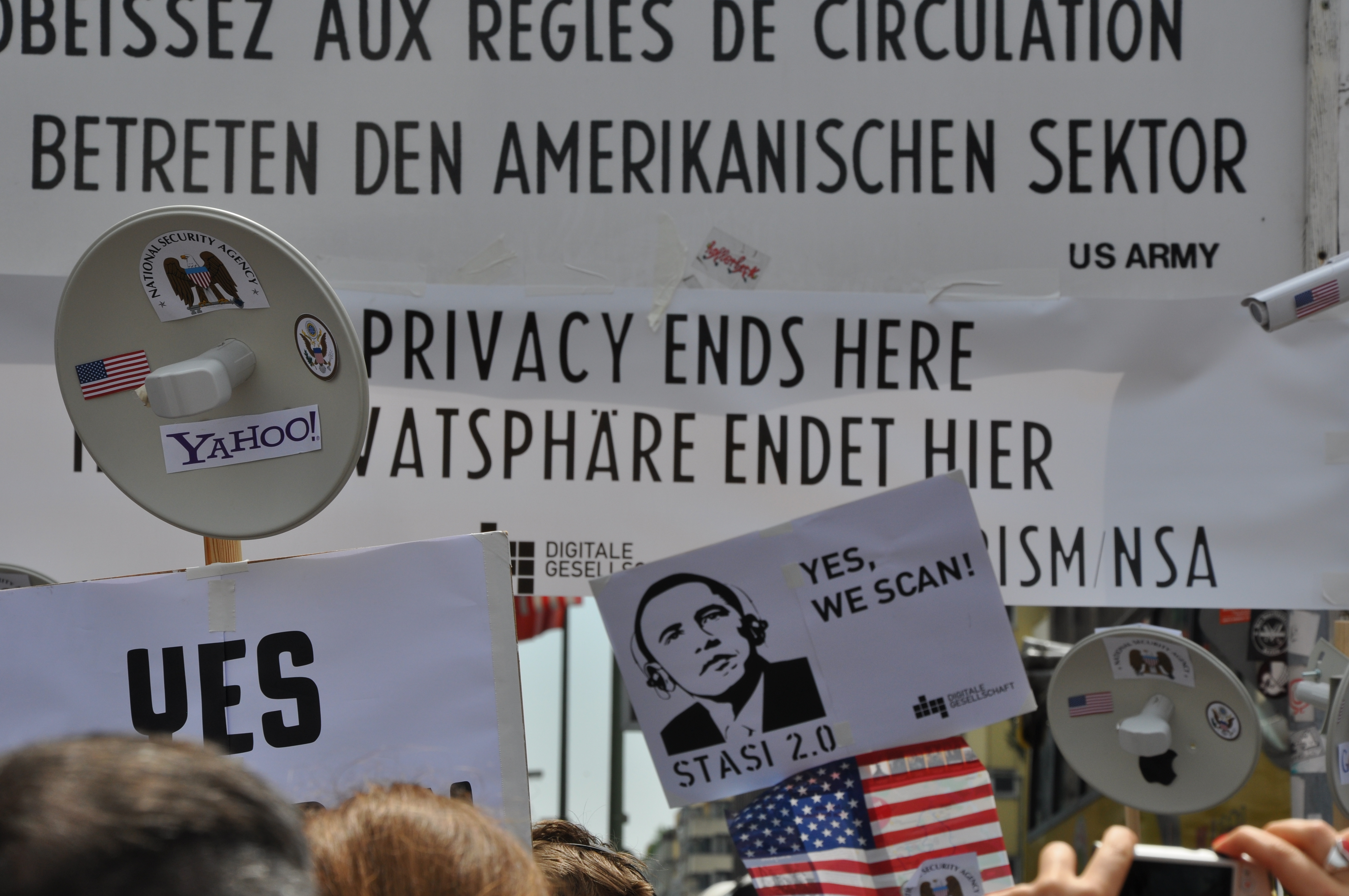
Dan Schiller’s book helps us to understand the background of these events, which have affected economic and political power relations, and how US policies have consistently favoured capital over labour, and have resulted in transfers of vast sums from developing countries to developed countries, writes Richard Hill.

UNCTAD Forum: Local Drug Manufacturing A Key To Universal Health Coverage

Local production of medicines in developing countries is key to advancing universal health coverage, but other factors need to be considered, such as the involvement of all stakeholders and policy coherence in governments, according to speakers attending the World Investment Forum this week. Several speakers called for a paradigm shift in global health.

Preparations Begin For Lisbon Revision At WIPO; Procedural Question Raised

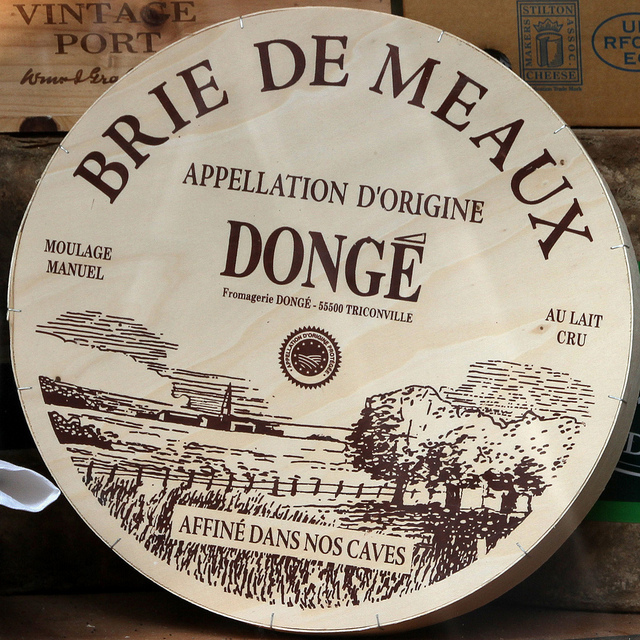
The 28-member Lisbon Agreement for the Protection of Appellations of Origin and their International Registration is en route to being revised to include geographical indications and allow international organisations to join the agreement. But some other member countries of the World Intellectual Property Organization, which oversees the agreement, are raising procedural questions and intend on having a say on the revision. [Update: new proposal now available]

IT Innovation Supporting Home-Grown Solutions In Uganda

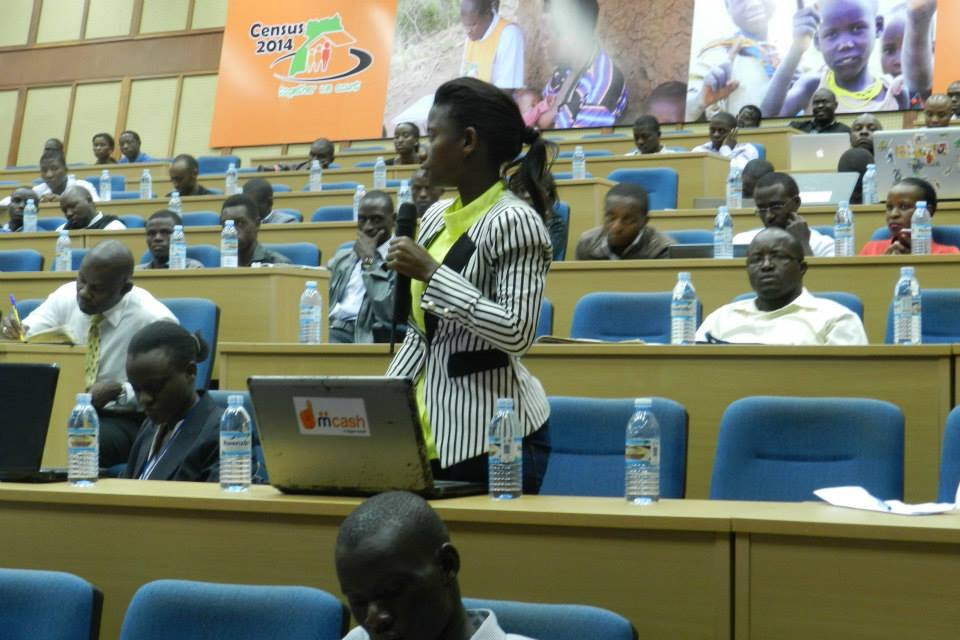
With the world’s youngest population, fast-rising access to internet and rapid spread of the use of mobile phones, Ugandans are starting to embrace information and communication technology innovations. This is confirmed by the increasing number of mobile and web applications with working prototypes developed in the country.

Special Report: Russia Modernises Its Intellectual Property Law

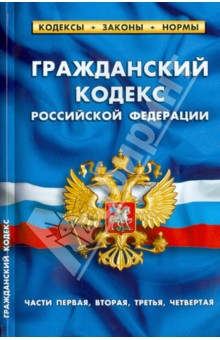
As of 1 October, major amendments of the Civil Code of the Russian Federation (the RF Civil Code) came into force concluding the most recent and extensive legislative revision since Part I of the Code was adopted in 1994. Changes affected substantive and procedural norms including Part IV codifying provisions on intellectual property rights. This report takes stock of some of the introduced novelties.

“Trade Matters” For BRICS In Africa, So Does Internet Connectivity

Last week’s World Trade Organization Public Forum hosted dozens of panels on the general theme of "why trade matters." A panel focusing on the role of Brazil, Russia, India, China and South Africa (BRICS) found that the new BRICS Development Bank could foster infrastructure development in Africa, while another panel said that removing barriers to internet connectivity is key to economic growth.