Category Trademarks/Geographical Indications/Domains

Cuba Says It Has Protected 5,000 US IPRs, While US Violates Its Rights

Cuba has been trying for many years to get the United States to undo a law that prevents Cuba from defending a rum brand trademark in US courts. This week at the World Trade Organization, the Caribbean country said during this time it has dutifully protected the intellectual property rights of more than 5,000 US products, while the US has allowed violations of Cuban patents and trademarks.


TISA Stocktaking Meeting Reveals There Is Still Ground To Cover

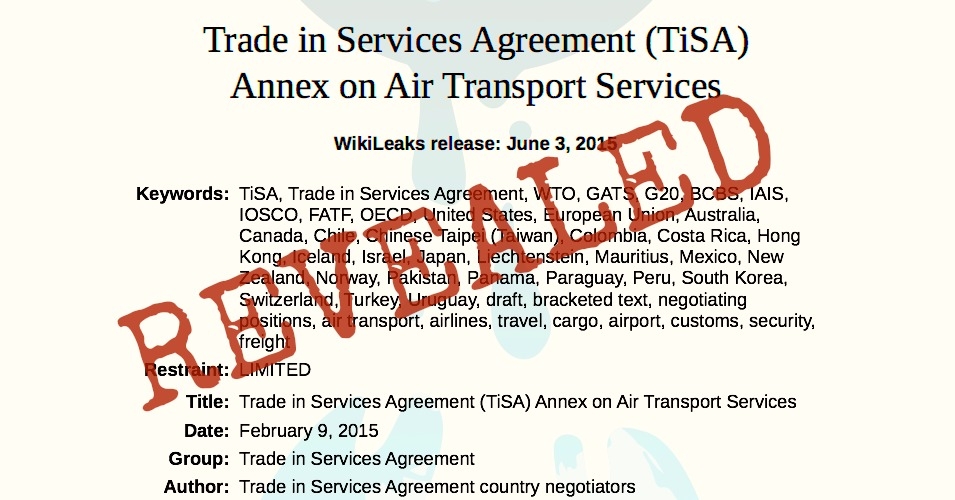
The ambassadors for the Trade in Services Agreement (TISA) have endorsed a deadline of notifying any additional new annexes by 31 July, and submitting completed offers by 15 September. This is the result of the most recent meeting of negotiators of the 25 TISA parties, according to a spokesperson for the Australian Department of Foreign Affairs and Trade. Australia hosted the TISA round from July 6-10 in Geneva.

A Geneva Look At Jurisdiction, Dispute Resolution And The Internet

A conference on jurisdiction and dispute resolution in the age of the internet raised topical issues of concern to internet-based public policy, such as the notion of how jurisdiction and internet governance is a question of power, and an update on the International Law Association guidelines project. In addition, a debate arose as to the state of the patent system.

Russian Government Designs New Strategy In Field Of IP

The Russian government is crafting a new strategy in the field of intellectual property, which should strengthen the protection of IP rights in Russia and create conditions for the acceleration of the domestic research activities in the country, according to Dmitry Livanov of Russia’s Ministry of Science and Education.

3D Printing And Public Policy

John Hornick writes: Although legal principles apply to 3D printing the same as they apply to any other technology, 3D printing has the unique potential to upset the legal status quo. It is the potential scale of 3D printing that may have profound effects on the law. 3D printing cuts across many areas of law, most types of technology, and almost all types of products. Eventually, anyone may be able to make almost anything. No one else will know they made it or be able to control it, which I call 3D printing away from control.

European Parliament Decides In Favour Of TTIP Mandate And “New ISDS”

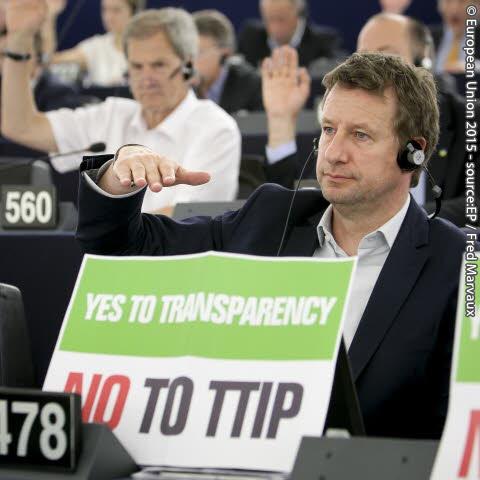
The European Parliament today voted in favour of its own mandate for the negotiations of the Transatlantic Trade and Investment Partnership, a broad free trade agreement between its 28 member states and the United States. With 436 yes versus 241 no votes (32 abstentions), the Parliament adopted a resolution that also gives green light to the hotly debated investor-state dispute settlement (ISDS), albeit a new version of it.