Category Trademarks/Geographical Indications/Domains

WIPO Human Resources: All Is Harmony, Secretariat Says

The World Intellectual Property Organization’s human resources issues have been far from harmonious over the past decade, but this year’s secretariat report paints a picture in glowing language of a new culture with happy, well-trained staff after years of “change management.” And to member governments concerned about remaining challenges? No problem, just leave that to us, WIPO says.

WIPO External Offices In High Demand As 18 Countries Offer Hosting

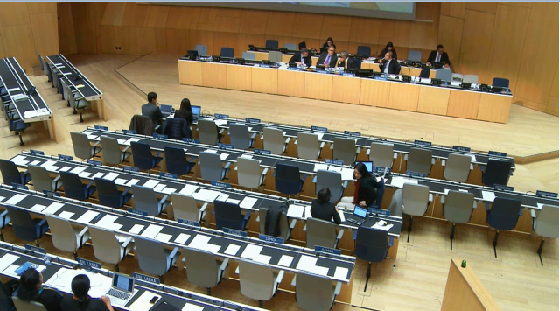
Hosting a regional or national office of the UN World Intellectual Property Organization seems to be a high prize for WIPO members, 18 of which have submitted hosting proposals to be considered at the WIPO Program and Budget Committee next week. Most of those 18 countries are developing nations and all sought to demonstrate their commitment to intellectual property rights and IPR protection, with some underlining the importance of considering level of development. According to regional press reports, Algeria and Nigeria have been selected by the African region to host the two African external offices.

Review Of WIPO Development Agenda Implementation: Good Progress But Expectations Unfulfilled

A group of independent reviewers has found definite progress on implementing the landmark 2007 Development Agenda Recommendations at the World Intellectual Property Organization. But the UN agency needs to elevate the debate, tie in with UN development agencies, create reporting mechanisms, make projects more compatible with local development levels, and detail use of financial and human resources, the reviewers found.

A Test He Couldn’t Pass: College Admissions Expert Loses Domain

Get into Harvard? Not this way. That's the message of a World Intellectual Property Organization dispute panel after ruling the website harvard-review.com confusingly uses the name of a famous university in promoting skills training for college admissions tests, without authorisation.

The Expert On IP For Internet Protocol: Interview With Scott Bradner

Fluent in both types of IP: Scott Bradner has been an architect of intellectual property (IP) policy for internet protocol (IP) standards. He played a core role in the development of internet protocol, leading to the very digital revolution we know today, as well as the next generation IPv6, all the while designing intellectual property policy to go along with it. Here is an interview with Bradner.

Bontekoe Is New WIPO Legal Counsel; Kwakwa Heads Global Challenges, Traditional Knowledge

The World Intellectual Property Organization quietly changed legal counsel this month after more than a decade, with veteran Edward Kwakwa moving to a new senior post in the United Nations organisation and Frits Bontekoe moving from the UN refugee agency to head the WIPO team.

Thailand Enforces Law To Promote IP As Loan Collateral, Amends Trademark Law To Raise Penalty For Deception

BANGKOK - Thailand has enforced a new law to promote using intellectual property as loan collateral, an effort likely to make intellectual property a more valuable asset for its holders. But experts caution that the country still lacks the infrastructure of a viable IP market.

US Government Announces Go-Ahead For IANA Transition By October

The United States Commerce Department National Telecommunications and Information Administration (NTIA) this week confirmed it will hand over oversight of the internet domain name system root zone and other core internet infrastructure registries to the semi-private Internet Corporation for Assigned Names and Numbers (ICANN).

Updated List Of Geneva Delegates Responsible For IP

There are many, many committees, councils, panels, meetings, receptions, conferences, assemblies - not to mention countless private lunches, coffees and other contacts - during the year in Geneva that address policy issues related to intellectual property, innovation, research & development and the like. Intellectual Property Watch provides an indispensable, up-to-date list of who you need to talk to when you want to get the message across or follow the action.

Olympic Games: Trademark Revenues Are High Stakes

With a budget of over 2 US$ billion, the Brazilian Olympics rely heavily on commercial sponsors and licensing for revenue. Protecting the Olympic symbols is thus an imperative for the games with stringent rules on the use of those symbols and related signs. However, the fame of the event also draws covetousness from a variety of commercial actors seeking free rides, which is a dangerous endeavour, according to legal sources. Brazil adopted special rules for the occasion, while in the United States the protection is particularly stringent.