Category Trademarks/Geographical Indications/Domains

Journalists Surveilled By German Intelligence Agency

The German Federal Intelligence Agency (Bundesnachrichtendienst, BND) spied on foreign journalists, according to a report of German magazine “Der Spiegel”. A document obtained by the magazine showed that the BND had taps on at least 50 phone numbers, fax numbers and email addresses of journalists from the BBC, Reuters and the New York Times.


WIPO Committee On Protection Of Folklore: Shall We Dance?

It is generally held that traditional cultural expressions reflect communities’ cultural and social background and include elements of their heritage. For indigenous and local communities, those expressions of their traditional culture are vital. Next week, World Intellectual Property Organization committee members are expected to advance on a draft treaty text to protect those expressions, and look for ways to agree on basic principles, such as what the treaty should protect, how, and who it should protect.

US Business, Government Work To Bring Down ‘Dangerous’ UN Panel Report On Access To Medicines – And Change The Debate In Geneva

Calling it flawed and narrow and seemingly threatened by its contents, the leading United States business group and US government IP specialists are working to limit the impact of a recent United Nations report that made recommendations for the decades-old problem of ensuring affordable medicines reach people when they are under patent in a way that does not threaten innovation. One step in countering the UN report? Change the discourse in Geneva and elsewhere.

TRIPS Council To Consider The Two Sides Of IP – Innovation Booster And Barrier

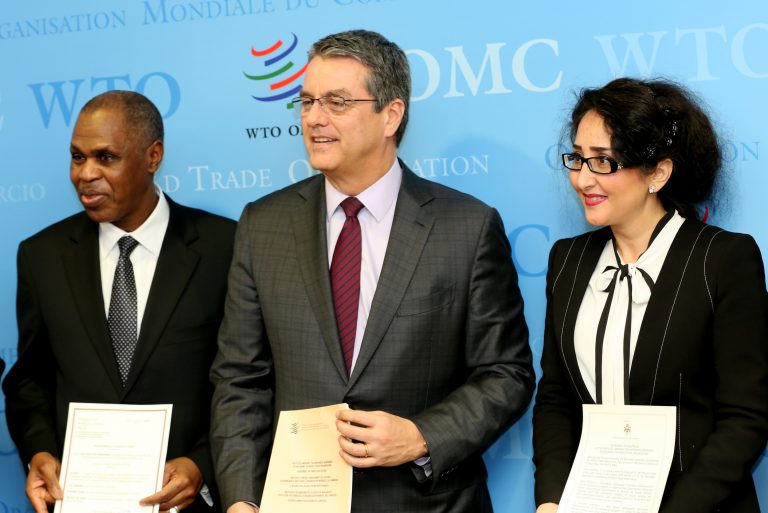
The role of intellectual property in innovation is expected to be considered through different lenses at the upcoming meeting of the World Trade Organization committee on intellectual property. A group of developed countries have proposed an agenda item on inclusive innovation in micro, small and medium-sized enterprises, while discussions are expected on the report of the United Nations Secretary General’s High-Level Panel on Access to Medicines, and a side event featuring High-Level Panel members has been convened by a group of developing countries. Electronic commerce, and in particular copyright issues and electronic signatures are also on the agenda next week.

Dismantling Of LiMux On Eve Of Pirate Party Security Conference

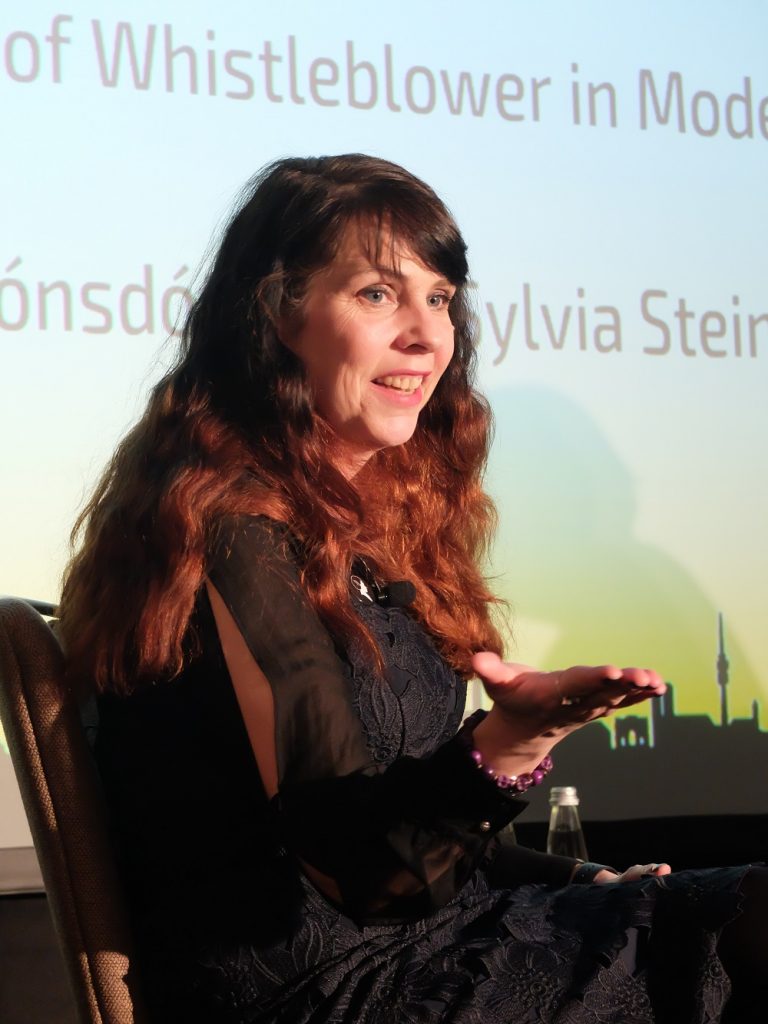
MUNICH -- For the Pirate Party gathered at the Pirate Security Conference (PirateSecon) in Munich this is bad news. On the eve of the PirateSecon, held alongside the big Munich Security Conference, the city council of Munich decided to reverse the once-celebrated migration to LiMux, its much reported about Linux platform. For the German Pirate Party, the dismantling of “LiMux” is a step in the wrong direction. At the third edition of the Pirate Security Conference Pirate Party members from Luxembourg, Iceland, Switzerland and the Czech Republic discussed how to take back data and even algorithms – and how to win elections.

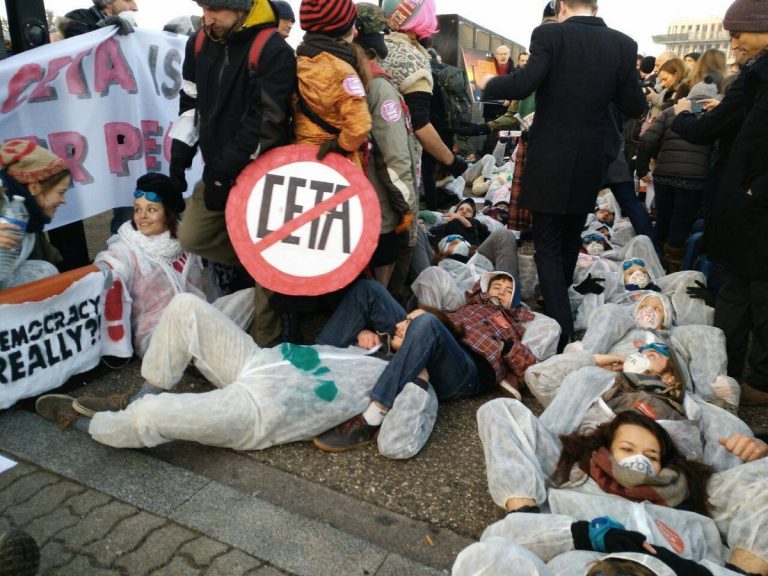
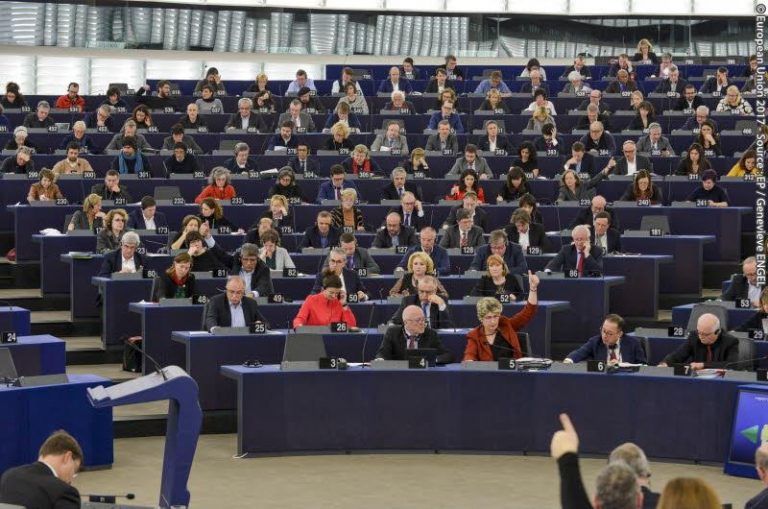
European Parliament Passes CETA After Debate Over Whether It’s A Good Or Bad Deal

After a somewhat tumultous debate, the European Parliament today in Strasbourg voted in favor of the Comprehensive Economic and Trade Agreement (CETA) with Canada. With 408 members of Parliament voting in favour and 254 against (33 abstentions) the 1598-page thick deal can become provisionally effective as early as April. The national parliaments still have to ratify it over the coming months, and possibly years.

Kenya Works With Communities On Genetic Resources And Traditional Knowledge Protection

NAIROBI, Kenya -- Excessive degradation and over-exploitation of plant biodiversity in Kenya has led to depletion of some species and narrowed their genetic base. Apart from the conservation challenge, utilisation and sharing of benefits from plant genetic resources and traditional and associated knowledge among communities has also remained opaque despite constitutional guarantees.

European Parliament Demands Transparency In Expert Groups, Protection For Whistleblowers

The European Commission is reforming the way it populates its "expert groups" which has been criticized as unbalanced and non-transparent for years. But the European Parliament is not satisfied. In a report on its own initiative passed in Strasbourg today practically unanimously (663 in favour, 16 against, 13 abstentions), the Parliament requested the Commission make public how it decides the composition of expert groups and explain which interest groups are to be represented and how geographical and political interests will be balanced.