Category Patents/Designs/Trade Secrets

A Look At The UNAIDS Board Debate On IP And Medicines; Outcome Fell Short For Some

The discussion on intellectual property-related barriers to access to medicines was one of the most contentious points of the 39th meeting of the UNAIDS governing board last week. After hours of negotiations, the board agreed that the organisation will keep working on the issue. But developing countries and civil society would have preferred a stronger mandate, according to representatives.


UNAIDS Board Carries Forward Multi-Agency Work On IP Barriers To Medicines Access

A meeting of the Board of the Joint United Nations Programme on HIV/AIDS (UNAIDS) has concluded with a set of decisions (attached) showing that the Board went farther than just noting the UNAIDS secretariat report on intellectual property-related barriers preventing access to medicines. And the Board, after lengthy discussions, also called on UNAIDS to facilitate discussions on the high-profile report of the United Nations Secretary-General’s High-Level Panel for Access to Medicines.

Open Source Software A Core Competency For Effective Tech M&A

Imagine your company just acquired its competitor for $100 million. Now imagine the company’s most important asset – its proprietary software – is subject to third-party license conditions that require the proprietary software to be distributed free of charge or in source code form. Or, imagine these license conditions are discovered late in the diligence process, and the cost to replace the offending third-party software will costs tens of thousands of dollars and take months to remediate. Both scenarios exemplify the acute, distinct and often overlooked risks inherent to the commercial use of open source software. An effective tech M&A attorney must appreciate these risks and be prepared to take the steps necessary to mitigate or eliminate them.

US High Court Hears Patent Case With Global Trade Implications

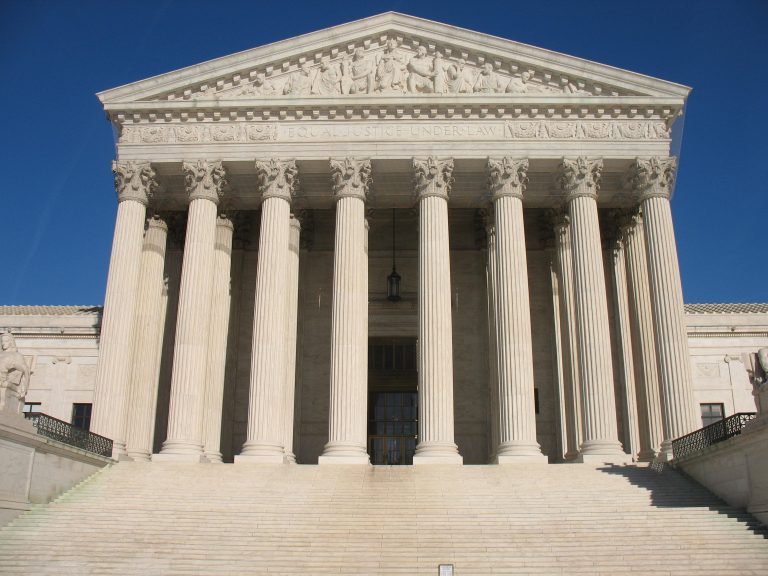
In a first-impression case with implications for international trade, the United States Supreme Court is set to decide whether the US supplier of a single non-infringing article used in an infringing product abroad can be held liable for worldwide damages under US patent law. The case hinges on the meaning of “substantial” and whether US law can extend beyond its borders.

In Search of Evidence: The IP Statistics For Decision Makers Conference (IPSDM) 2016

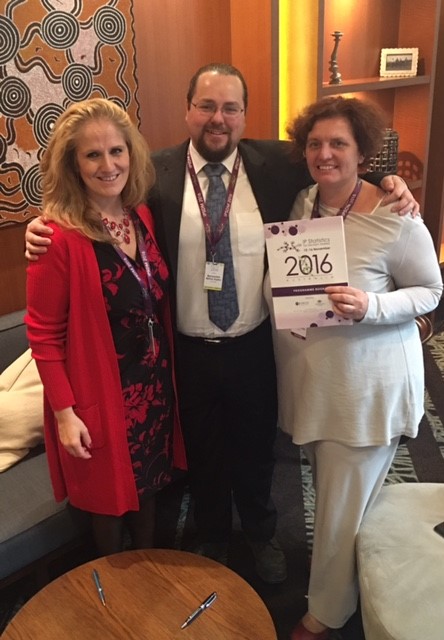
The annual “Intellectual Property Statistics for Decision Makers Conference” took place in Sydney, Australia on 15-16 November. After Vienna last year, the Organisation for Economic Co-operation and Development (OECD) as the key initiator organised the landmark forum this time with the Australian Government through its national intellectual property office, IP Australia. In this environment where the Australian economy could recently mark its 25 years of continuous growth and where the government just launched a new “National Innovation and Science Agenda” in the form of a new tax reform package, we could follow panel discussions and speeches about how empirical evidence can be gained for innovation.

UNAIDS Board Considers Recommendations On Access To Medicines

The Board of the Joint United Nations Programme on HIV/AIDS (UNAIDS) this week is considering a report calling for the 11 cosponsor agencies of the programme to follow the recommendations of the UN Secretary General’s High-Level Panel on Access to Medicines to improve policy coherence, and to produce reports on the use of intellectual property at country and regional levels, including the use of flexibilities.

US High Court Muddies Rule On Design Patent Damages

The United States Supreme Court yesterday provided a big victory for Samsung – and common sense, according to many experts. The high court ruled that Samsung need not pay $399 million in damages – all the company’s profits from 11 models of smartphones – simply because one or two tiny components of those phones infringed design patents owned by Apple. But Samsung isn’t out of the woods yet. Because despite the importance of today’s Supreme Court decision, the high court left an even more important issue unresolved.

Support IP-Watch: An Appeal To Readers

Intellectual Property Watch needs your financial support. As one of our readers, you know that IP-Watch plays a vital role in international policymaking on intellectual property and innovation through its independent, reliable, balanced and dedicated news coverage. But like other…

TPP May Be Dead – But Its Impact Lingers

Despite the Trans-Pacific Partnership (TPP) being - to all-intents-and-purposes - dead in the water, pursuit of some of the most egregious objectives of the corporate interests driving the TPP agenda rolls on. Pharma is persisting in its push for countries to adopt not just TRIPS-Plus, but in some cases even TPP-Plus intellectual property rules - presumably groundwork for the later emergence of a ‘son-of-TPP’ agreement, three authors write.