Global Fund Hits Reset On Executive Director Search
The Global Fund to Fight AIDS, Tuberculosis and Malaria is deliberating on how to start over on its search for a new executive director after questions arose near the end of the process.

Original news and analysis on international IP policy
The Global Fund to Fight AIDS, Tuberculosis and Malaria is deliberating on how to start over on its search for a new executive director after questions arose near the end of the process.
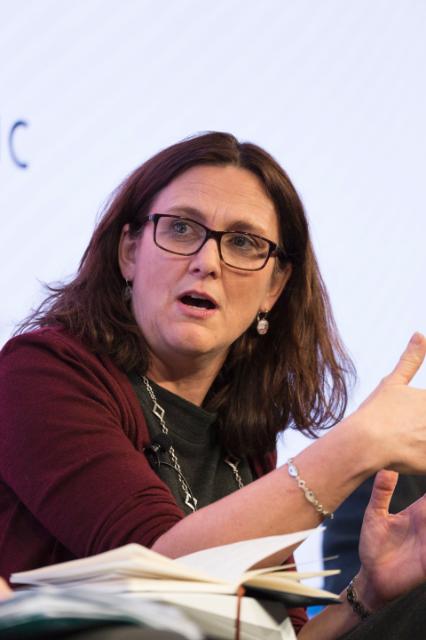
The European Commission is pushing ahead with its Multilateral Investment Court (MIC) project, but called requests to eliminate specialised investor protection mechanisms unrealistic during a dedicated meeting with stakeholders in Brussels today.
A new paper from the intergovernmental South Centre argues that intellectual property provisions in recent free trade agreements would impair countries trying to fulfil the United Nations Sustainable Development Goals. Image Credits: South Centre
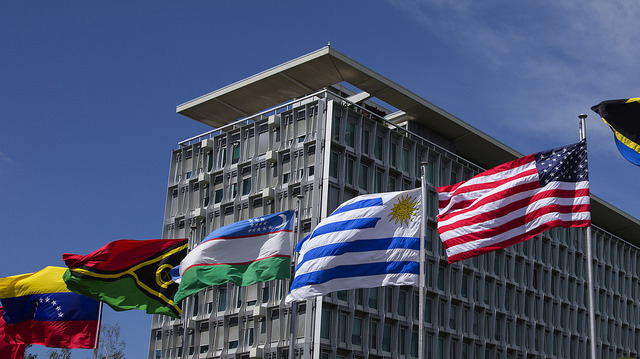
Microbial resistance to antibiotics has been rising and the world is now facing the serious possibility of falling back to the days when infectious diseases were hardly treatable. The World Health Organization today published a list of bacteria for which new antibiotics are most urgently needed, to help with the race against time, as the medical world is running out of treatment options.

It is generally held that traditional cultural expressions reflect communities’ cultural and social background and include elements of their heritage. For indigenous and local communities, those expressions of their traditional culture are vital. Next week, World Intellectual Property Organization committee members are expected to advance on a draft treaty text to protect those expressions, and look for ways to agree on basic principles, such as what the treaty should protect, how, and who it should protect.
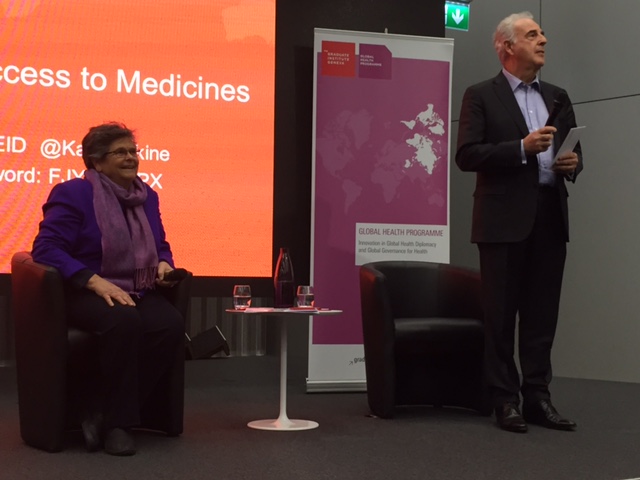
The lack of access to medical products has spread from being a developing country problem to a global one as prices are now too high even for developed country patients and health systems for some medicines. An event at the Graduate Institute Global Public Health Centre yesterday was an opportunity to explore these issues.
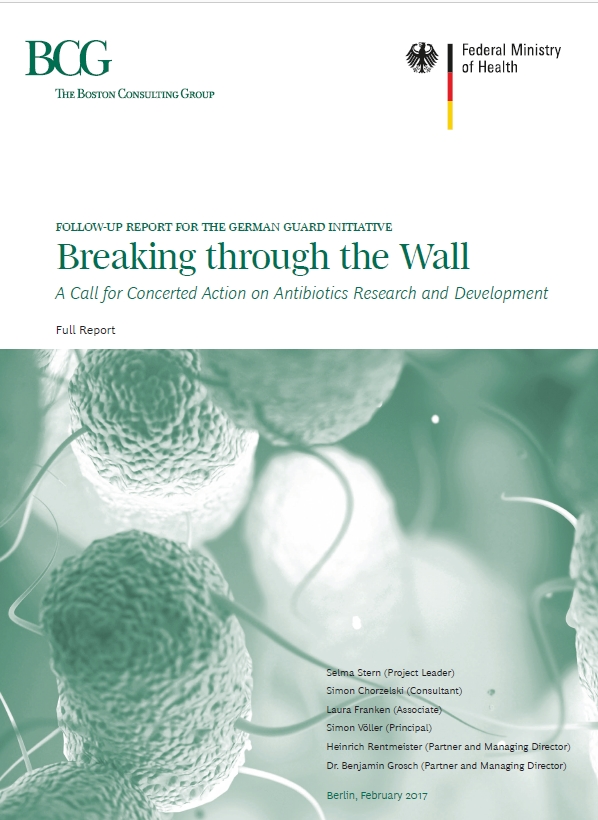
In the face of the lack of attractiveness of investing in research for new antibiotics for the pharmaceutical industry, and the general lack of funding for research and development for novel antibiotics, a new report commissioned by the German Federal Ministry of Health calls for countries to take action. In particular, the report proposes a global union for research and development, a global research fund, and a global launch reward. And access and pricing are key components of the strategy, it says.
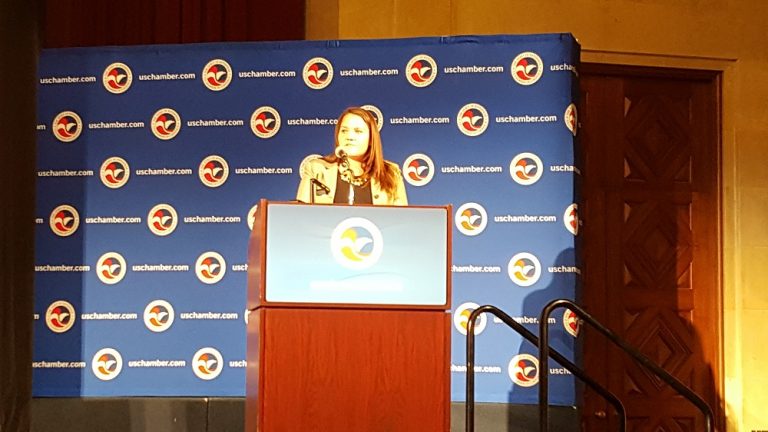
Calling it flawed and narrow and seemingly threatened by its contents, the leading United States business group and US government IP specialists are working to limit the impact of a recent United Nations report that made recommendations for the decades-old problem of ensuring affordable medicines reach people when they are under patent in a way that does not threaten innovation. One step in countering the UN report? Change the discourse in Geneva and elsewhere.
As the World Trade Organization intellectual property committee meeting next week is expected to discuss the report of the United Nations Secretary General’s High-Level Panel on Access to Medicines next week, a group of developing countries is convening a side event to engage in discussion with members of the panel. The report included several direct recommendations to WTO members.
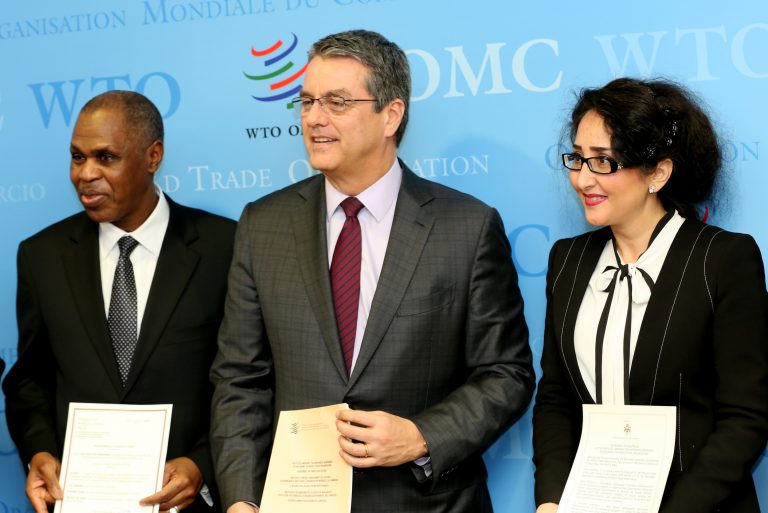
Multilateral institutions have received a lift with the realization of the World Trade Organization’s Trade Facilitation Agreement that is expected to provide a boost to sluggish international commerce by cutting out clogging regulations. Image Credits: Peter Kenny

With the start of a new era in providing high-quality global news and information, Intellectual Property Watch is proud to announce the addition of three distinguished and eminent experts in their fields as new members of the IP-Watch Board of Directors.
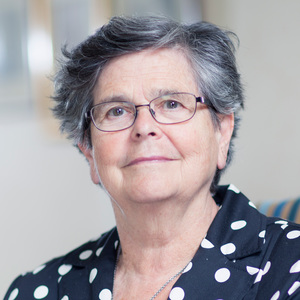
Former Swiss President Ruth Dreifuss, co-chair of the United Nations Secretary General’s High-Level Panel on Access to Medicines, participated in a Geneva event on rare diseases earlier this month. She agreed to answer Intellectual Property Watch’s Catherine Saez about the High-Level Panel report, in particular how it was received by the international community, her take on criticisms that have been voiced, and the importance that the report be discussed at the international level such as the World Health Assembly.