Category Patents/Designs/Trade Secrets

WIPO Members Consider Future Of Committee On Traditional Knowledge, Folklore

The fate of the World Intellectual Property Organization committee addressing misappropriation of the cultural heritage of indigenous peoples will be decided by the annual WIPO General Assembly in October. But the committee this week is expected to provide recommendations on its future work, on the renewal of its mandate, and whether work accomplished over the last two years can lead to a high-level negotiation on one or several treaties giving indigenous peoples increased rights over their culture.

Artificial Intelligence: No Clear Roadmap For The Future

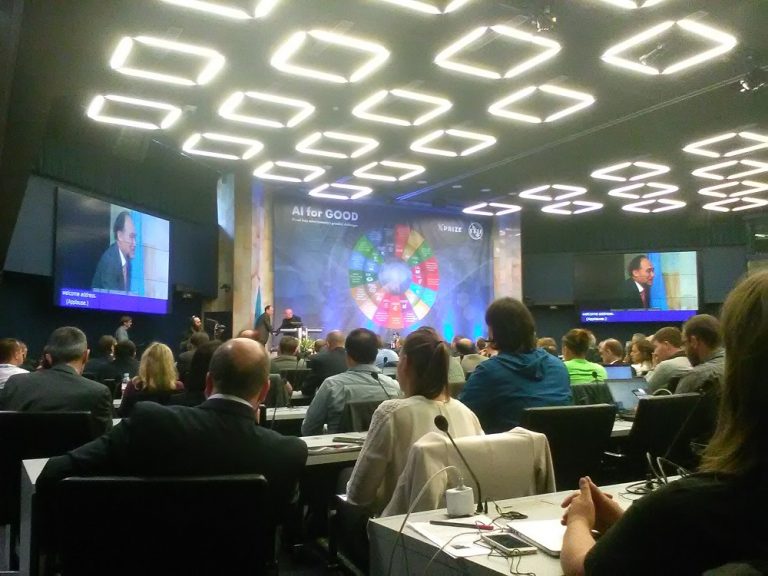
“Artificial intelligence is as a weapon” and we have to deal with it “as we deal with other weapons,” Cindy Smith, director of the United Nations Interregional Crime and Justice Research Institute (UNICRI), said during a panel discussion at an artificial intelligence summit in Geneva this week. The panel discussion focused on preparing a roadmap to ensure that artificial intelligence develops in “a safe, responsible and, an ethical manner” that benefits all the different segments of our society.

A Brief Analysis Of Nepal’s First National IP Policy

Earlier this year, the Nepal Government released its long-awaited first national intellectual property policy, after becoming the first least developed country (LDC) to join the World Trade Organization (WTO) on 23 April 2004.

Human Rights Council Speakers: Right To Health Underlies All Other Rights, Access To Medicines Key

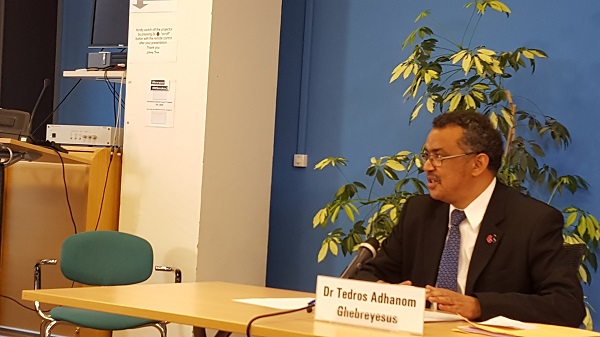
If governments have the obligation to help keep their citizens healthy, many of them are struggling to strengthen their health systems. A variety of hurdles is in the way, and lack of access to medicines is one of them, as underlined by the World Health Organization director general in her address to the United Nations Human Rights Council yesterday.

US Supreme Court Adopts International Exhaustion Of Patents (Part II): Addressing the New Competitive Landscape

Frederick M. Abbott writes: The US Supreme Court has created a new competitive landscape with its decision adopting international exhaustion of patents. For the pharmaceutical sector, we can expect an initial period of uncertainty as the US Food and Drug Administration (FDA) assesses the regulatory framework affected by the decision and as competing stakeholders advance their interests. In an earlier Inside Views contribution, I addressed the principal impact of the decision on the US pharmaceuticals market: downward pricing pressure.[1] This follow-on addresses some of the regulatory and access issues affected by the decision, observing that parallel trade in pharmaceutical products is a long-standing practice, that recently introduced US legislative proposals may shape the regulatory framework in the United States, and concluding with ways that access programs in favor of developing countries are protected.

US Ends Post-Sale Patent Rights

On 30 May, the US Supreme Court handed down yet another in a long series of rulings that cut back on the rights of patent owners. This time, the high court made it far more difficult for patentees to impose post-sale restrictions on the use or resale of their patented goods. The ruling should boost parallel imports into the US, increase competition throughout the American economy, lower prices for US consumers, and hurt the bottom line of many companies.

Summit: Artificial Intelligence Is Humanity-Changing, Build Safeguards Now

For artificial intelligence enthusiasts, the future is bright. Soon intelligent machines will help humankind solve most problems, and according to one speaker at an artificial intelligence summit in Geneva this week, humans will be outsmarted by robots in the foreseeable future, in an artificial intelligence bliss. For others, artificial intelligence is far from delivering a fully positive outcome, and for several United Nations representatives, such as the World Health Organization, the world should not be entrusted to robots just yet.

Security, Privacy, Trust Remain Challenges For The Internet Of Things

It is “amazing” what can be done via the internet and the Internet of Things is a “game changer,” a speaker said during the Internet of Things Week currently taking place in Geneva. Ninety percent of the data in the world has been created in the last two years. And the speed of data creation is still increasing, another speaker said.