WHO Launches Public Consultation On Blueprint Material Transfer Agreement
The World Health Organization has launched a public consultation on the Draft Research and Development Blueprint Material Transfer Agreement tool text.

Original news and analysis on international IP policy
The World Health Organization has launched a public consultation on the Draft Research and Development Blueprint Material Transfer Agreement tool text.
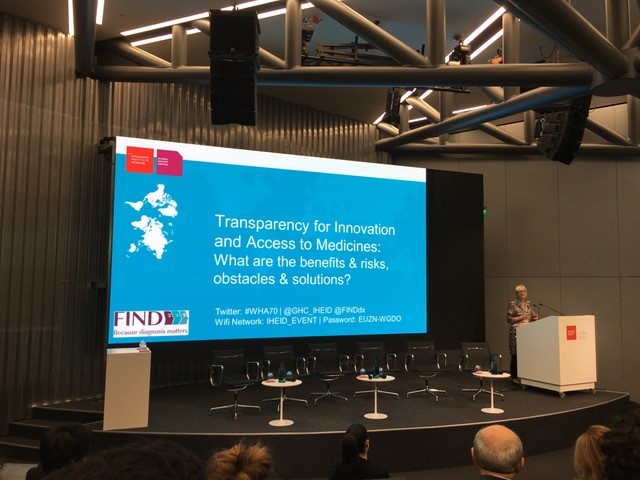
Transparency” and “accountability” are familiar buzzwords. Like salt and pepper, they pop up on nearly every list of ingredients for sound policy and good governance. But, as Ilona Kickbusch and Suerie Moon of the Graduate Institute Global Health Centre in Geneva point out, their details are rarely specified: transparency for what? Accountability to whom? On Tuesday afternoon, those not busy casting a vote for the next World Health Organization director general got the chance to dig into these questions at a panel co-sponsored by the Graduate Institute and FIND. In particular, discussion focused on transparency in terms of public access to two types of information: drug R&D costs and clinical trial data.
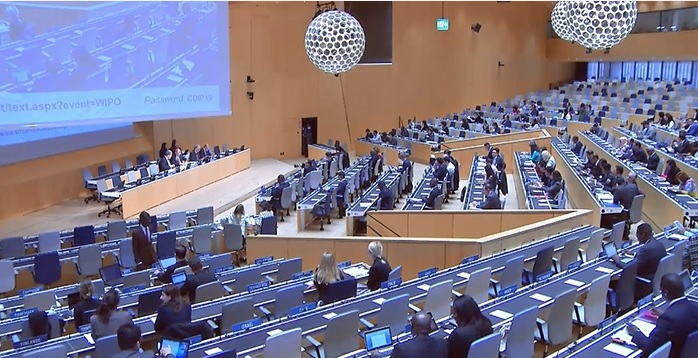
The World Intellectual Property Organization Committee on Development and IP (CDIP) last week approved and extended a project implementing the WIPO Development Agenda in the areas of design protection, and a “game-changer” IP management and technology transfer project, and a conference for least-developed countries on copyright.
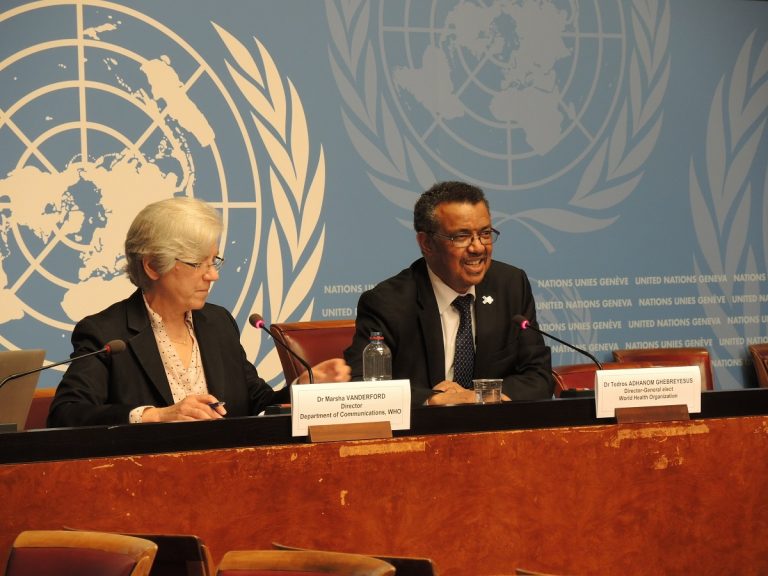
In his first meeting with the United Nations press corps the morning after his historic election as the next director general of the World Health Organization, Tedros Adhanom Ghebreyesus began to unfold his vision for the organisation and fended off questions about the United States budget by saying WHO has to diversify its funding base. He also signaled a variety of possible issues to come such as increased assessments on governments, and consideration of the recommendations of a recent UN report on access to medicines.
A new draft decision submitted this week at the World Health Assembly (WHA) by a group of countries would set out further actions to analyse the Pandemic Influenza Preparedness (PIP) Framework.
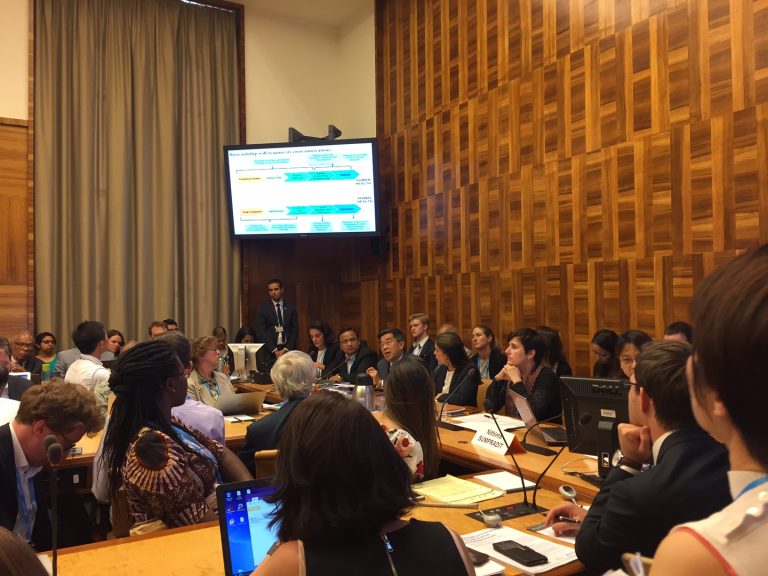
A group of non-governmental organisations organised a side event to the World Health Assembly to discuss the growing issue of antimicrobial resistance, the way to incentivise research and development for new antibiotics, and the imperative of affordability and accessibility of new products. The speakers mentioned alternative models, such as delinking the cost of research from the price of the medicines, underlined the high prices of vaccines, and the importance of systems of infection prevention and control.
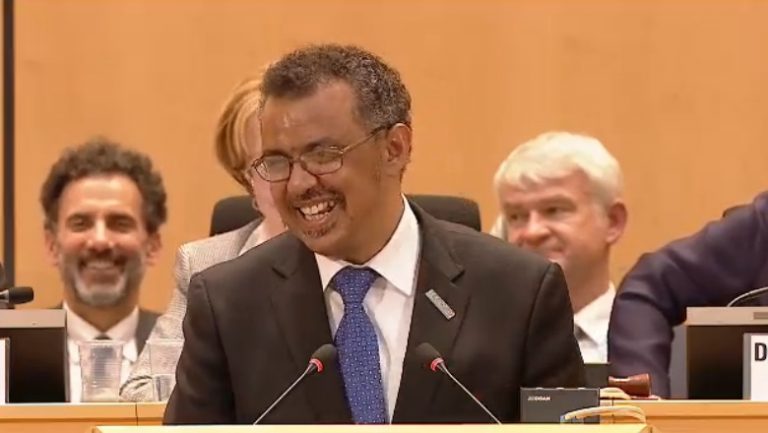
In a novel election process for the first time involving the full organisation membership, Tedros Adhanom Ghebreyesus of Ethiopia this evening was elected as the next director general of the World Health Organization, becoming the first official from Africa to be chosen to head the United Nations health agency.
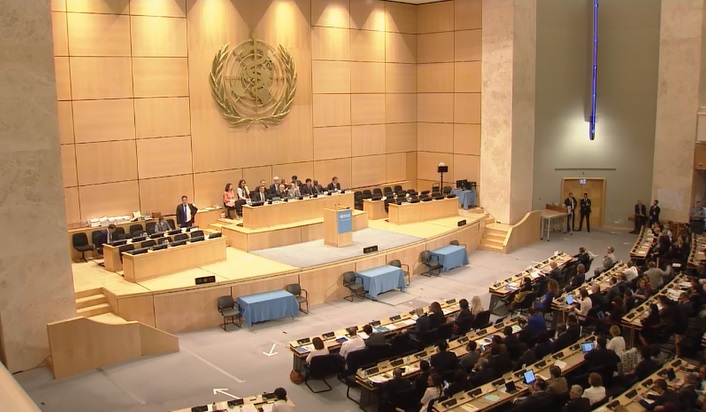
Speculation in the hallways of United Nations headquarters in Geneva was rampant in the days and hours leading up to this afternoon’s election of a new director general to lead the UN World Health Organization, but solid information about who will win was hard to come by. The outcome after a series votes is expected sometime tonight.
Update! According to sources, the first round of voting is over. Results: Tedros 95, Nabarro 52, Nishtar 38. Second round update! Tedros 121, Nabarro 62. Third round underway.
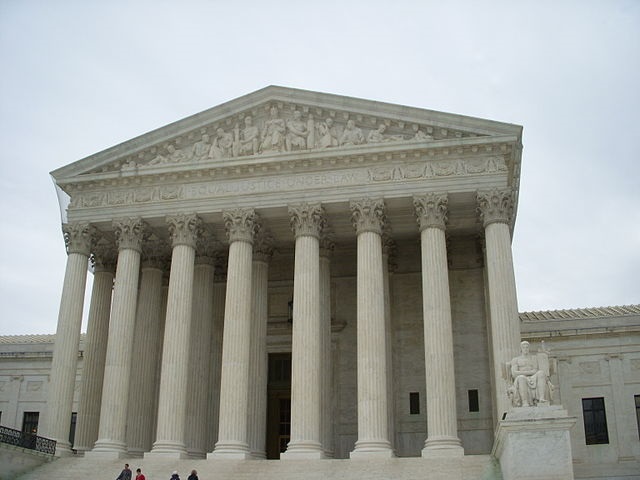
Yesterday’s United States Supreme Court decision in TC Heartland LLC v. Kraft Food Brands Group followed some familiar trends in Supreme Court jurisprudence. It overturned long-established Federal Circuit law, restricted the power of patent owners, and handed a stinging defeat to so-called “patent trolls” (companies that make money primarily by licensing their patents and suing those who refuse to purchase licenses). The Court did all this by limiting where patent infringement suits can be filed – and thus significantly changing patent litigation in the US.
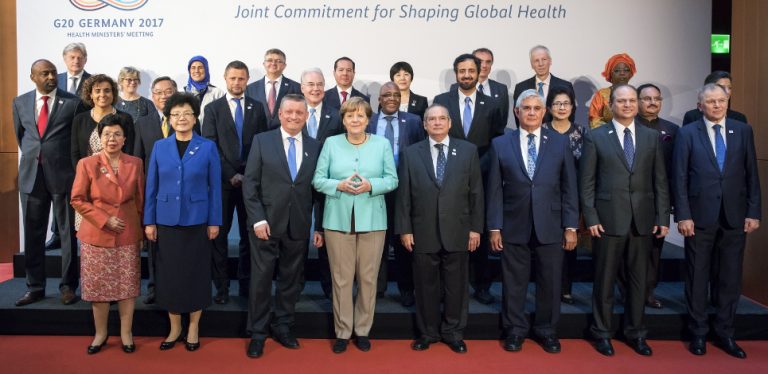
Group of 20 health ministers today finished their first joint table top exercise to simulate the outbreak of a new deadly viral pandemic in “Anycountry” and passed a seven-page final resolution on pandemic preparedness and antimicrobial resistance. Non-governmental experts and health organizations welcomed the first ever meeting of health ministers in the G20 format, but see a risk of framing the debate from a global North security perspective. And despite a call of urgency with regard to antimicrobial resistance, the G20 could not agree to include the de-linking of the cost of investment in R&D from the price of medical products.
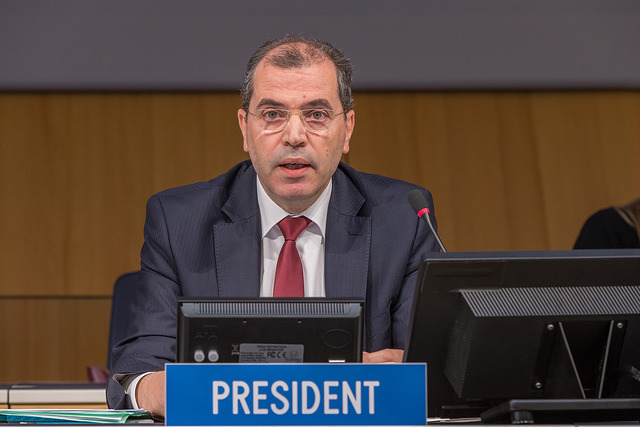
After years of mostly discontented discussions at the World Intellectual Property Organization committee on IP and development, last week proved positive, with a 10 year political knot solved, an international conference, and a new project approved, as well as a number of recommendations to implement the 2007 WIPO Development Agenda.

According to sources, countries have agreed in the nick of time on a draft resolution on cancer prevention, control, and access to cancer medicines, and in particular the price of new cancer medicines, to be examined at the World Health Assembly next week.