Category Patents/Designs/Trade Secrets

US Firms Rush To File Patents Ahead Of Driverless Car Boom

The socioeconomic impact driverless cars are expected to have is often compared to that of the internet, or going further back in time, to the industrial revolution. As fleets of vehicles that pilot themselves approach commercial rollout thanks to developments in artificial intelligence (AI), machine learning, and other technologies; original equipment manufacturers are aggressively filing patents for their self-driving vehicle designs. These players include General Motors and its Cruise Automation subsidiary, German automotive supplier Bosch, Ford, which owns a stake in driverless car start-up Argo AI; and Google sister company Waymo.
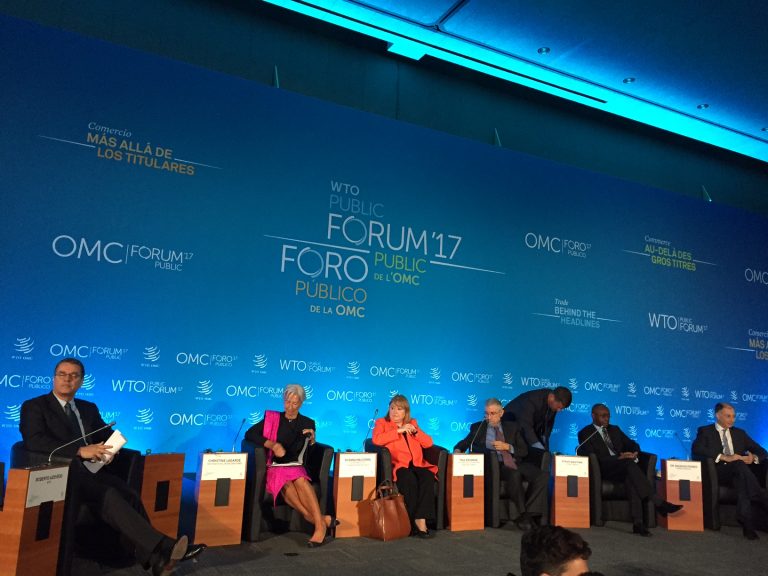

World Trade Organization Public Forum: Moving Beyond Friends Or Foes

At a time when international trade might be perceived as creating more harm than good, the World Trade Organization is proposing to go “behind the headlines” and beyond the rhetoric, as the theme of its yearly public forum of stakeholder discussions, which opened today.

Panel Debates Potential Impact Of Reversal Of US Administration Patent Review

The United States Supreme Court recently agreed to hear arguments in Oil States Energy Services v. Greene’s Energy Group, a case involving a patent on a device used for hydraulic fracturing (fracking). After the patent was granted, Greene’s petitioned for, and was granted, an “inter partes review (IPR)” by the US Patent and Trademark Office’s Patent Trial and Appeal Board (PTAB). After losing at the board, Oil States asked the high court to determine that IPR, which is used to analyse the validity of existing patents, is unconstitutional because it takes away private property rights by denying Art. III jury trials.

Unitaid Official Explains How ‘Breakthrough’ HIV Medicine Pricing Deal Brings Best To The Neediest

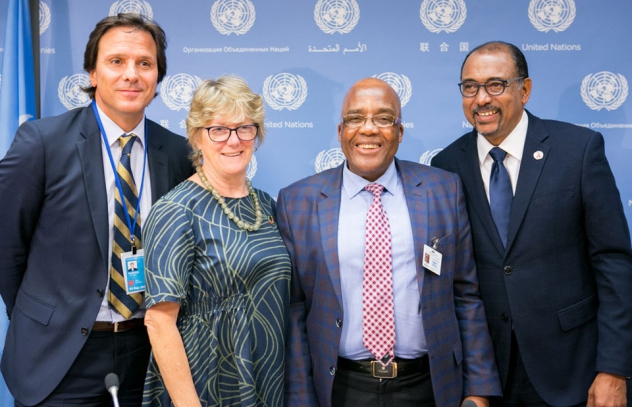
NEW YORK -- In the midst of the high-level meetings of the annual United Nations General Assembly last week, health officials from the UN and foundations announced what they called a breakthrough pricing agreement that will speed the availability of "the first affordable, generic, single-pill HIV treatment regimen containing [the key compound] dolutegravir to public sector purchasers in low- and middle-income countries at around $75 per person, per year." A senior official at Unitaid, the drug purchasing mechanism that helped reach the deal, explained to Intellectual Property Watch how it came about and why this is significant.

WTO Market Access Committee Debates China, India Restrictions On IT, Russia’s GIs On Wine

In the World Trade Organization Market Access Committee today, a range of member countries raised concern over China's tariffs on semiconductors and India's duties on a range of information technology products. In addition, the European Union raised concern over uneven application of lower tariffs for geographically indicated wines, favouring local producers.

Panel Advances Key Public Interest Issues In Gene Editing Technology

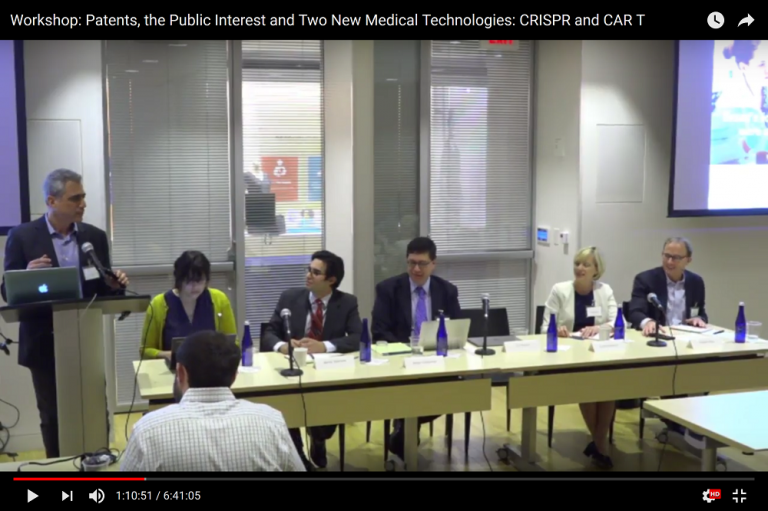
WASHINGTON, DC -- The still-emerging breakthrough CRISPR gene editing tool has the potential to transform the field and do enormous good for humankind. But let’s make sure we understand it better and ensure the public interest before launching into using it too widely. Meanwhile, companies and researchers are actively licensing the technology. That was a message of a set of panellists working close to CRISPR’s development, speaking at a recent event in Washington, DC.

UN Assembly Tackles Role Of Technology And Innovation In Sustainable Development

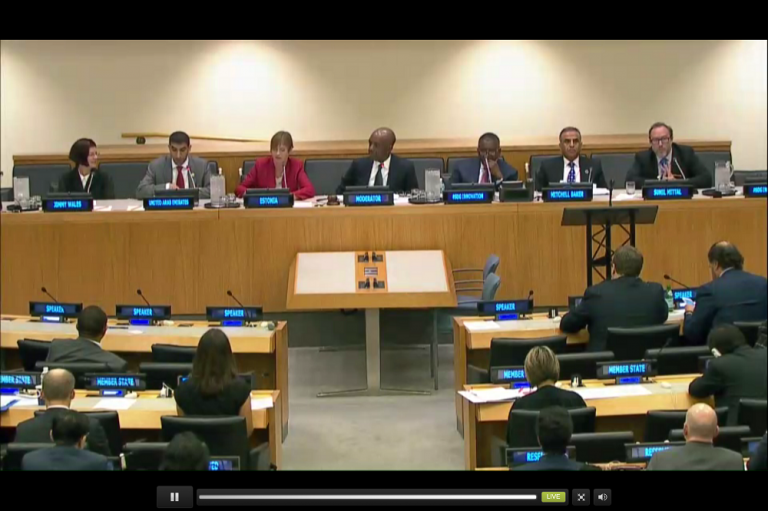
Governments and the private sector must work more closely together in the area of technology and innovation to make the United Nations Sustainable Development Goals (SDGs) a reality by 2030, government and major tech company officials said at today’s UN high-level event in New York. Today’s development problems won’t be solved with yesterday’s solutions but by all stakeholders – governments, civil society, youth, businesses and academia – working together, said General Assembly President Miroslav Lajčák. Everyone must have “fair access to technologies and innovations” and to training, he said.

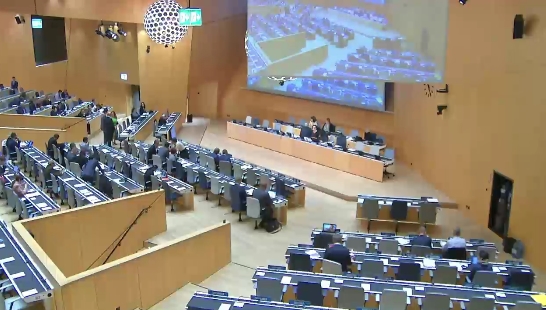
WIPO Committee Unable To Agree Program And Budget After Proposal For Reform

Discussions last week at the World Intellectual Property Organization on how international IP systems managed by the organisation are financed have introduced broader questions about core functioning. The WIPO budget for 2018/2019 was not approved in committee during the week, despite efforts by a small group of countries to find common language on changes to the financing of WIPO systems. A number of countries found the proposed changes in the financing of those different systems require deeper analysis on potential consequences, and asked for more time to consult with their capitals.