Category Patents/Designs/Trade Secrets

Artificial Intelligence Holds Enticing Promise, Needs Framework, Say OECD, Microsoft, IEEE

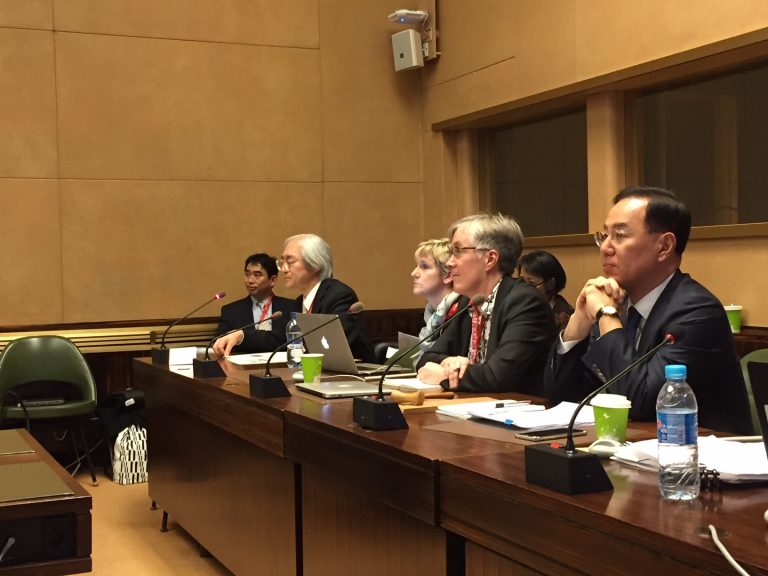
As artificial intelligence technology spreads its wings, governance issues are emerging, as are international discussions, including a range of activities planned for 2018. One of the panels of the December Internet Governance Forum in Geneva explored the policy questions, as panellists said artificial intelligence is unabatedly spreading to many areas of our lives with promises of economic growth and benefits, but with few regulations to frame it. Issues include ethics, privacy, biases, and lack of transparency.
WHO: New Directors In Leadership Team Selected On Merit First

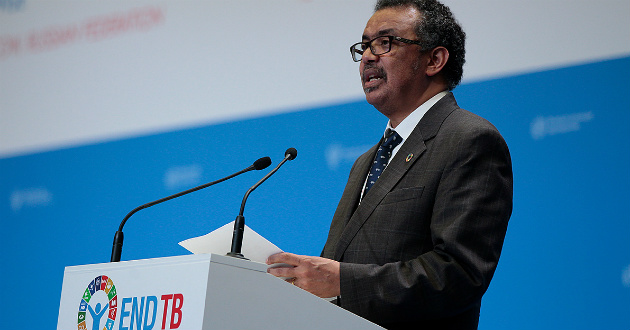
The new World Health Organization director general last month announced a range of officials to serve as programme directors, touting the unusual achievement of naming almost all women to add to an overall women's majority in the senior leadership of the organisation - a first for the UN. Now after some questions arose over the choice of a Russian official to head up efforts against tuberculosis, the WHO defended its choices as fully merit-based, including in an email to Intellectual Property Watch and its sister publication Global Health Policy News.

WHO’s Revised Work Programme: Evidence-Based Normative Work, Access To Medicines

In a couple of weeks, the World Health Organization will be holding its annual January Executive Board meeting. Delegates will consider the edited version of the draft 13th WHO general programme of work for 2019-2023, published on 5 January. Following comments to the first version of the programme in November, the secretariat produced a more fleshed-out document, emphasizing the WHO's normative role, in particular evidence-based. The necessity of access to medicines and vaccines has been extended to other products, such as devices and blood products, and mention is made of the WHO Global Strategy and Plan of Action on Public Health, Innovation and Intellectual Property.

Top IP-Watch Stories Of 2017: What Do They Tell Us About Multilateral IP Policy?

What IP-Watch stories were readers reading most in 2017, and what does it say about the state of global intellectual property policy? In this article, we look at the most-trafficked stories of last year, and make a few assumptions. Asia, Europe, trade, health. These were the top targets of interest to readers among our offerings. Interestingly, despite all the sound and fury in Washington, our coverage there was not at the top of the list. Even more interestingly, neither was our extensive and world-leading coverage of the World Intellectual Property Organization.

Changes In EU Data Law: The GDPR Requirements And How To Meet Them

Linkilaw writes: Statistics show 69% of SME owners have heard about the General Data Protection Regulation (GDPR) and 70% admitted to being unaware it will come into effect from 25th May 2018. It is important for small business owners to understand what the GDPR is as well as its application. The GDPR is the outcome of four years of constant discussions, investigations, and amendments made by the EU to update its data privacy rules and regulations.The GDPR will replace the Data Protection Directive established in 1995, creating a greater territorial scope and stricter penalties for those states members, and business dealing with Personal Data, who fail to keep and handle data according to the new regulation. The GDPR was finally approved by the EU Parliament on 14 April 2016 but will apply from 25 May 2018, giving a two-year transition period for all EU members states. This is a call for all SME’s: you need to prepare now!

South Africa’s Push For Knowledge-Based Economy Through IP

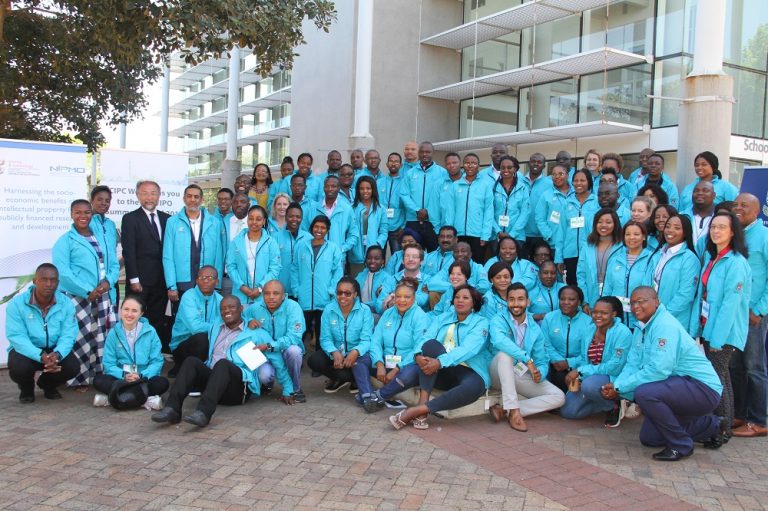
CAPE TOWN, South Africa – “If you want to create a knowledge-based economy and be part of it, be players not observers. There isn’t a stronger backbone than having an understanding of what IP is.” This statement was made by Mmboneni Muofhe, Department of Science and Technology (DST) deputy director general for technology and innovation, at the ninth Intellectual Property Summer School held at the University of the Western Cape (UWC) in December. The meeting brought together students, lawyers, scientists and different professionals drawn from Africa and other parts of the developing world for a ten-day intensive programme in intellectual property.

A Canadian Billionaire’s Mysterious Death And The Effect On Access To Medicines

The mysterious death last week of Canadian billionaire Barry Sherman and his wife has raised many questions. For some, one question is what impact it will have on pharmaceutical competition in Canada, as his giant generic medicines company Apotex was seen as making a mark in access to medicines. It was also recalled that the company is the only one to have used an obscure provision of a World Trade Organization intellectual property agreement aimed at making more affordable medicines available in least developed countries.

WIPO Patent Law Committee Agrees On Future Work, Stays On Safe Path

The mood was conciliatory this week at the World Intellectual Property Organization patent law committee as delegates mainly shared experiences and heard presentations. The five topics composing the work of the committee, which had been carefully negotiated in the summer and reflecting a “delicate balance” of interest between countries, will be pursued at the next session. Among them are the topics of patents and health, technology transfer, and the quality of patents.

Intellectual Property Rights In Trade – To Be Rethought?

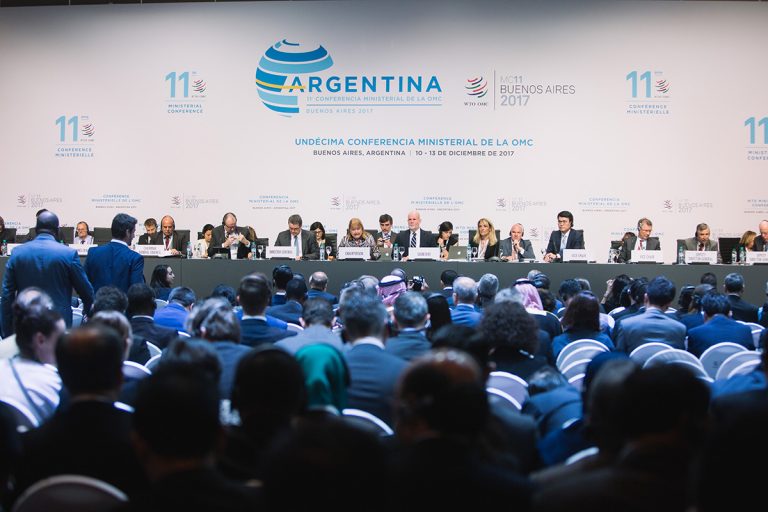
After two decades of intellectual property regimes in trade agreements, one could have some second thoughts, according to a number of panellists at the Trade and Sustainable Development Symposium, organised by the International Centre for Trade and Sustainable Development (ICTSD) and held alongside the 11th World Trade Organization Ministerial in Buenos Aires, Argentina this week.

London Declaration Report Shows Progress But More Needed Against Neglected Tropical Diseases

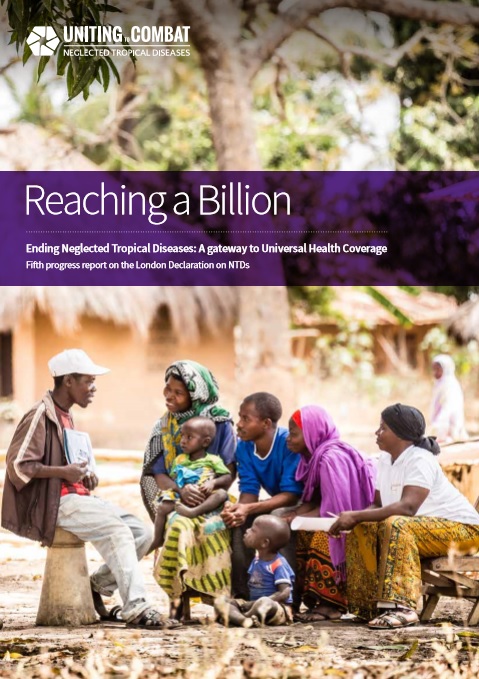
A newly released report by the wide-ranging joint London Declaration initiative to fight neglected tropical diseases shows progress in elimination of diseases and the number of people treated. However, in order to reach universal health coverage, efforts have to be intensified, according to the World Health Organization director general. The pharmaceutical industry, meanwhile, said it is ready to live up to its pledge made five years ago and expand donations programmes.