Category Patents/Designs/Trade Secrets

Civil Society And TRIPS Flexibilities Series – Translations Now Available

Patients around the world, in developing and developed countries, are encountering barriers to access to affordable medical products, in part due to patents and resulting high prices. This is occurring despite longstanding protections built into international trade rules to allow smaller economies to act on behalf of their people and make such medical products available regardless of patents. These protections are often referred to as flexibilities in the 1994 World Trade Organization Agreement on Trade-Related Aspects of Intellectual Property Rights (TRIPS). The prevailing view is that knowledge, understanding and use of them remains limited among policymakers and many potential beneficiaries, even as patent-strong nations and their industries work to narrow the reach and ability to use these flexibilities. In the face of this, global civil society in recent years have increasingly begun work to change the direction of this trend, with the ultimate goal of helping people everywhere - but particularly poor populations - obtain drugs they need that exist but are out of their reach. Now, the series of Intellectual Property Watch stories on this subject sponsored by Make Medicines Affordable have been translated into five languages.


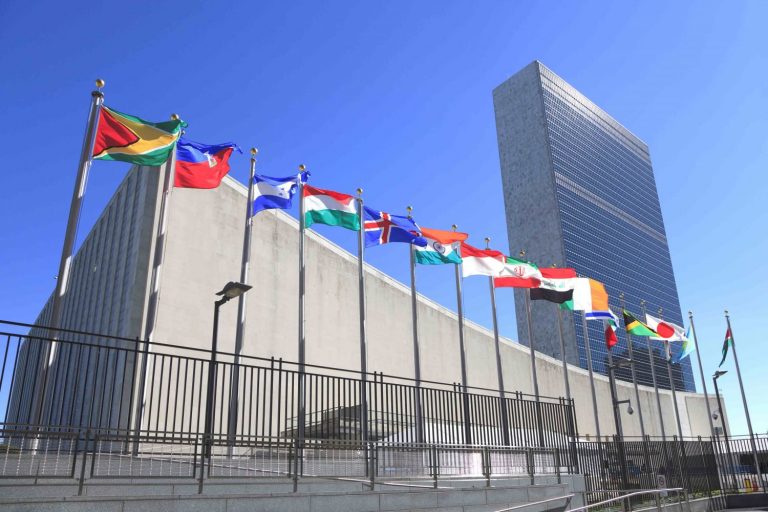
Special Report: CBD Advisory Bodies Make Recommendations On Sequence Data, Global Mechanism, Implementation

The UN Convention on Biological Diversity advisory bodies met last month to consider issues in preparation of the high-level Conference of the Parties later this year in Egypt. Among the topics were how to deal with genetic resources DNA information under the CBD protocol on access and benefit-sharing (Nagoya Protocol). Another was concerns met by countries implementing the protocol, in particular developing countries, and the need for capacity building.

Negotiations On UN Tuberculosis Declaration Still Open, Reports Say

Negotiations for a United Nations declaration on ending tuberculosis had drawn to a close earlier this week, with the United States seeming to succeed on a hardline position to keep mention of intellectual property rights and affordability of medicines out of the text. But nongovernmental reports say the draft has not been accepted by all members and that negotiations will have to be reopened.

Conceptualizing Minimum Core Beyond Affordable Goods And Services – Trade For Human Rights As A Minimum Core Obligation

Prof. Sakiko Fukuda-Parr writes: The conception of the Minimum Core Doctrine around low cost goods and services is unnecessarily restrictive. It is also out of line with concerns to meet pressing and priority health needs of the population. It departs from the original concept of obligations of immediate effect. It limits the consideration of the wide range of measures that national governments should take to expand the enjoyment of the right to health such as by reversing damaging policies or setting new ones. A salient example is policy choices governments might make in the area of intellectual protection provisions in free trade and investment agreements.