
OECD Book Highlights Economic Impact – Good And Bad – Of IPRs
A new book from the Organisation for Economic Cooperation and Development (OECD) paints a revealing picture of the impact on economies of intellectual property rights.

Original news and analysis on international IP policy
A new book from the Organisation for Economic Cooperation and Development (OECD) paints a revealing picture of the impact on economies of intellectual property rights.
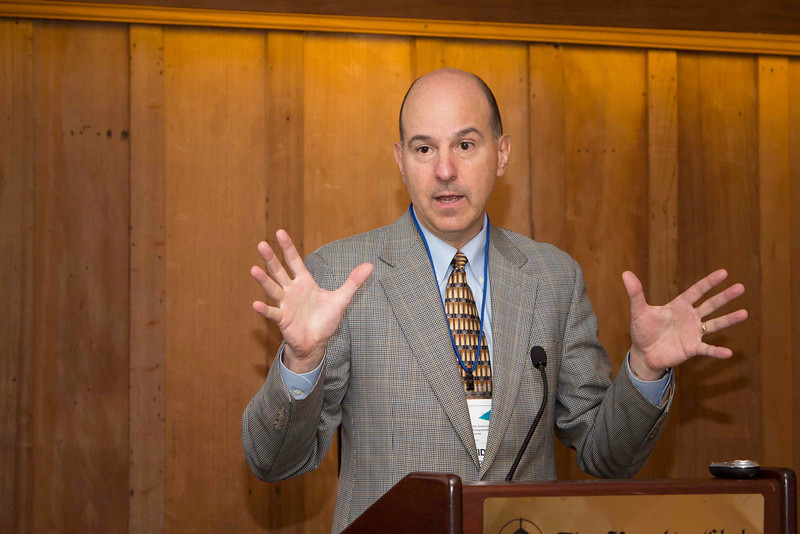
In a clarion call to policymakers, former United States Patent and Trademark Director David Kappos said recently that this year’s unprovoked drop in patent filings in the United States is unprecedented and signals a shift toward more secrecy by inventors trying to protect their ideas. Meanwhile, the US trend toward antitrust actions at home is having deleterious effects for US businesses overseas, he said.

On August 20, the United States Patent and Trademark Office (USPTO) published proposed amendments to current rules governing trial practice before the Patent Trial and Appeal Board (PTAB) under the America Invents Act (AIA). The new proposals contain more substantive changes than the May package and while all parties will appreciate the USPTO clarifying various issues in the proposed rules, many patent owners may be underwhelmed with the real-world impact of the proposals, especially the portion dealing with motions to amend claims during AIA trials, write Jason Lohr and Stephen Shaw.
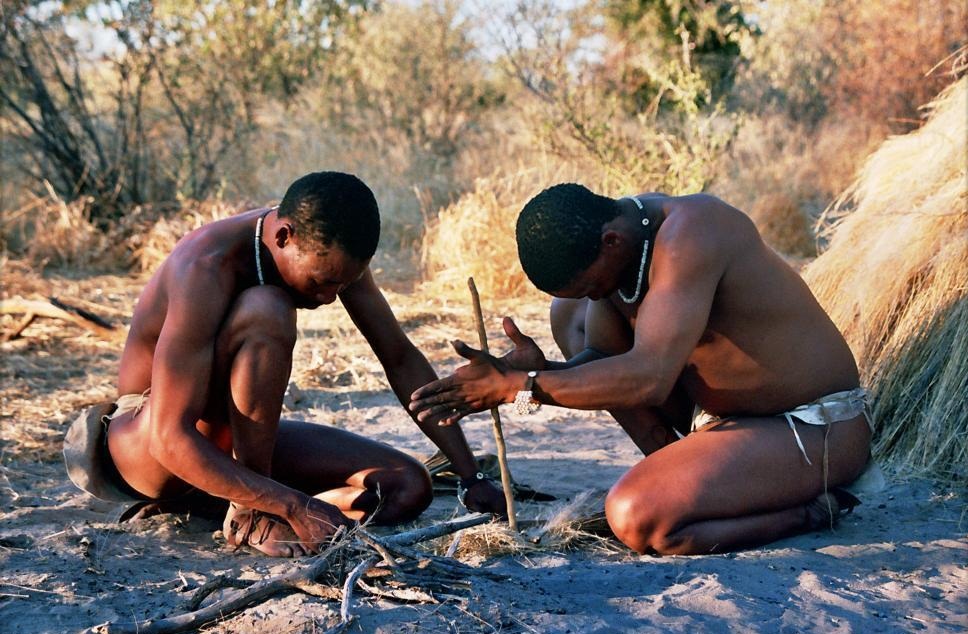
CAPE TOWN, SOUTH AFRICA - A project to assess the impact of climate change on KhoiSan communities and the production of local level decision-making in rural communities is expected to contribute towards the guidelines and protections for indigenous knowledge holders under the United Nations Framework Convention on Climate Change (UNFCCC), according to the project leader.

Protecting intellectual property rights in the fashion industry can be a tricky exercise in this fast-moving environment. Several avenues are possible for fashion designers in the United States, such as trademark, trade dress or design patents.
Perkins Coie IP litigation partner Ann Schofield Baker, based in New York, participated in an interview with Intellectual Property Watch’s Catherine Saez on ways fashion designers can protect and enforce their rights in the US.
An annual report on the digital economy from the economic organisation of the world's richest countries measures innovation by how many patents, designs and trademarks were filed by businesses.
With strong backing from interested parties in the intellectual property community, the United Kingdom government plans to introduce legislation to give registered UK or European Community design holders the option to mark their products with the address of a website that links to the relevant registered design numbers, it said today.

The past few months have been eventful for career changes in the international intellectual property community. Here is a look at some of the changes in governments, international organisations, NGOs/academia, private sector and law offices.
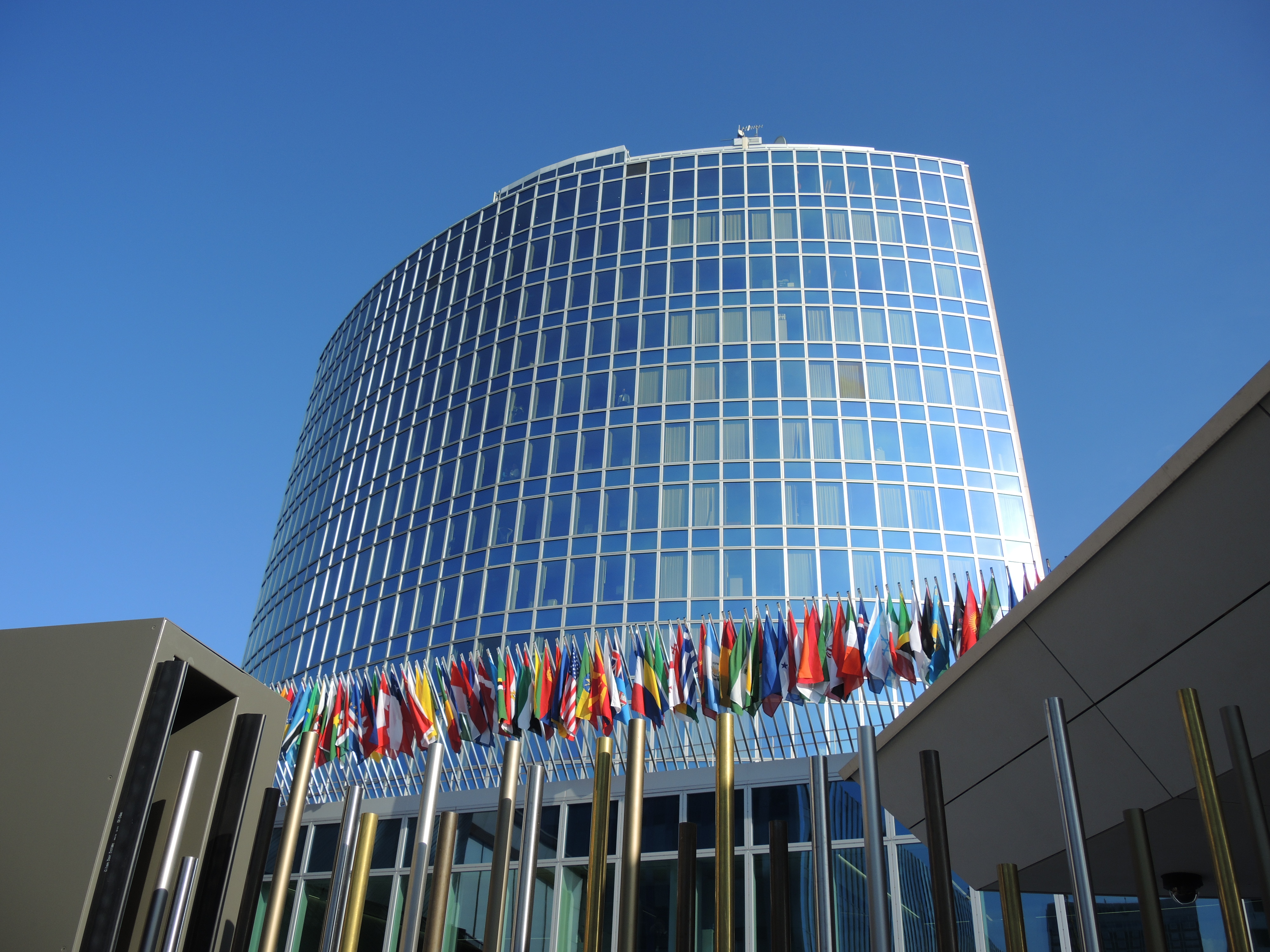
An independent review of the World Intellectual Property Organization’s implementation of its 2007 Development Agenda Recommendations is progressing. A team of experts conducting the review, appointed by WIPO in May, just submitted their inception report to WIPO.
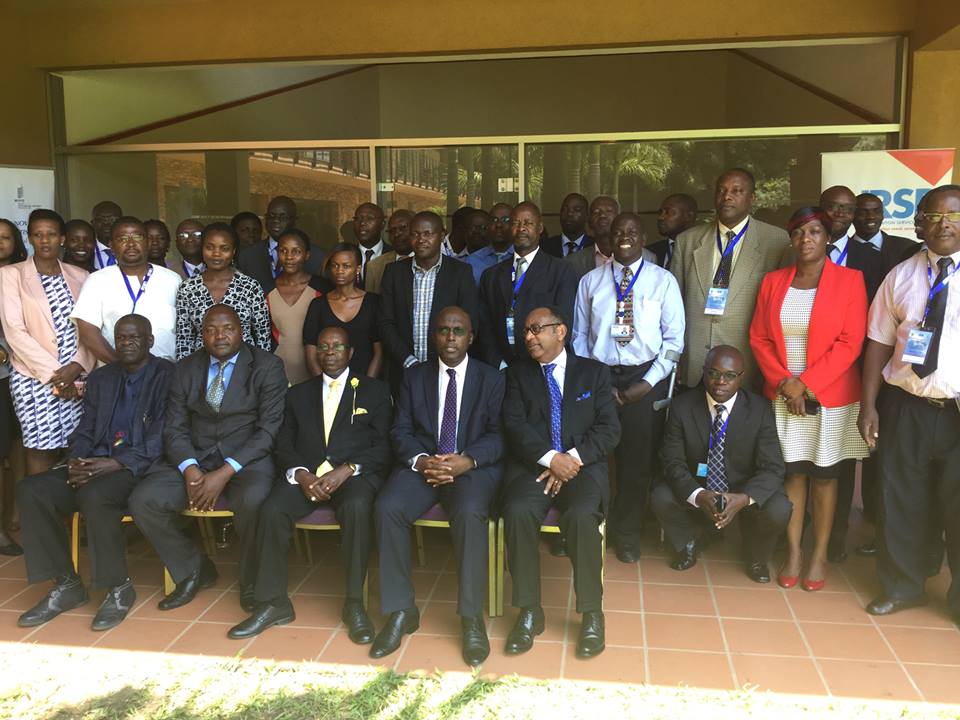
KAMPALA, UGANDA - The World Intellectual Property Organization (WIPO) has launched a Development Agenda program in Uganda, aimed at building capacity in the use of appropriate technology, specific technical and scientific information to address development challenges in the country.

BERKELEY, CALIFORNIA -- “There’s one thing we’re very good at in this nation, and that’s innovation,” Tusher Center Director and Professor David Teece said recently in setting the tone for a day of discussions inspired by the launch of the new center at the University of California at Berkeley.

Civil society groups are calling on the Swiss government to refrain from putting pressure on developing countries wishing to manufacture generic medicines without the consent of the patent holder. The groups allege that the Swiss government tried to unduly influence Colombia to not take such a step, though it is permitted by international trade rules.
The Swiss government, for its part, says it participated in a public consultation in Colombia and merely underlined that negotiations between governments and original manufacturers are a better way to go than a compulsory licence.