Public Health Considerations Should Guide Patent Examination, Paper Argues
Patent offices should align their work in support of national health and medicines policies when carrying out the examination of patents, a new South Centre paper argues.

Original news and analysis on international IP policy
Patent offices should align their work in support of national health and medicines policies when carrying out the examination of patents, a new South Centre paper argues.
NAIROBI, Kenya - After a five year gruelling court battle, the indigenous Maasai community in Northern Tanzania has lost the right to its traditional land after the High Court handed it to a US-based tourism company in a court ruling on 27 October.
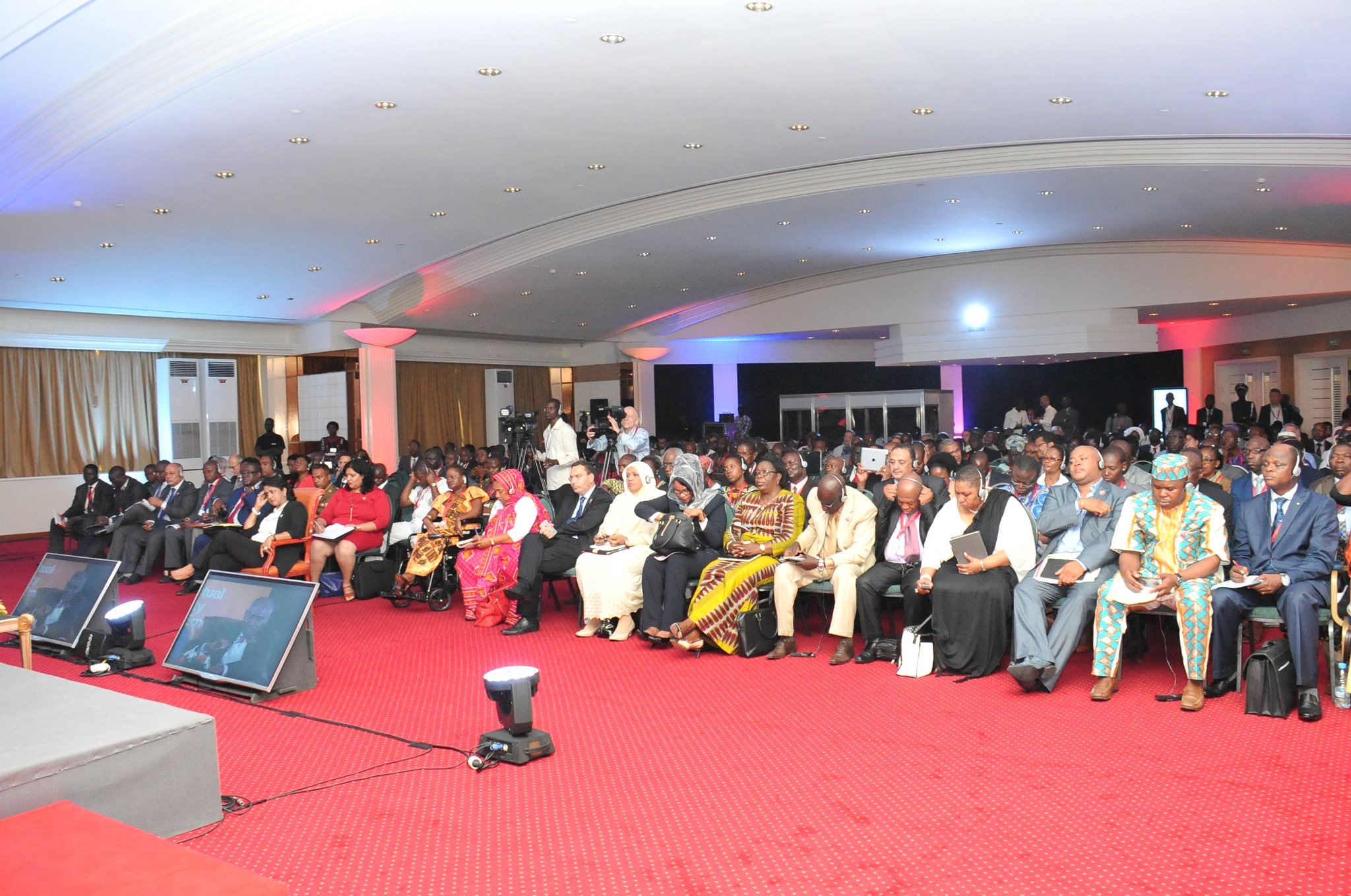
DAKAR, Senegal -- As Africa is emerging to become a centre of economic growth, strong and well-developed national intellectual property systems can help the continent unlock its citizens’ creativity and innovation and further boost economic growth, World Intellectual Property Organization Director General Francis Gurry said today in Dakar, the Senegalese capital where the African Ministerial Conference kicked off. Gurry was joined by top officials from a number of African nations.
From Third World Network: London, 3 Nov (Sangeeta Shashikant) The United States and the Least Developed Countries (LDCs) at the World Trade Organization have reached agreement ad referendum on a pharmaceutical patent exemption for a duration of 17 years, according to trade diplomats.
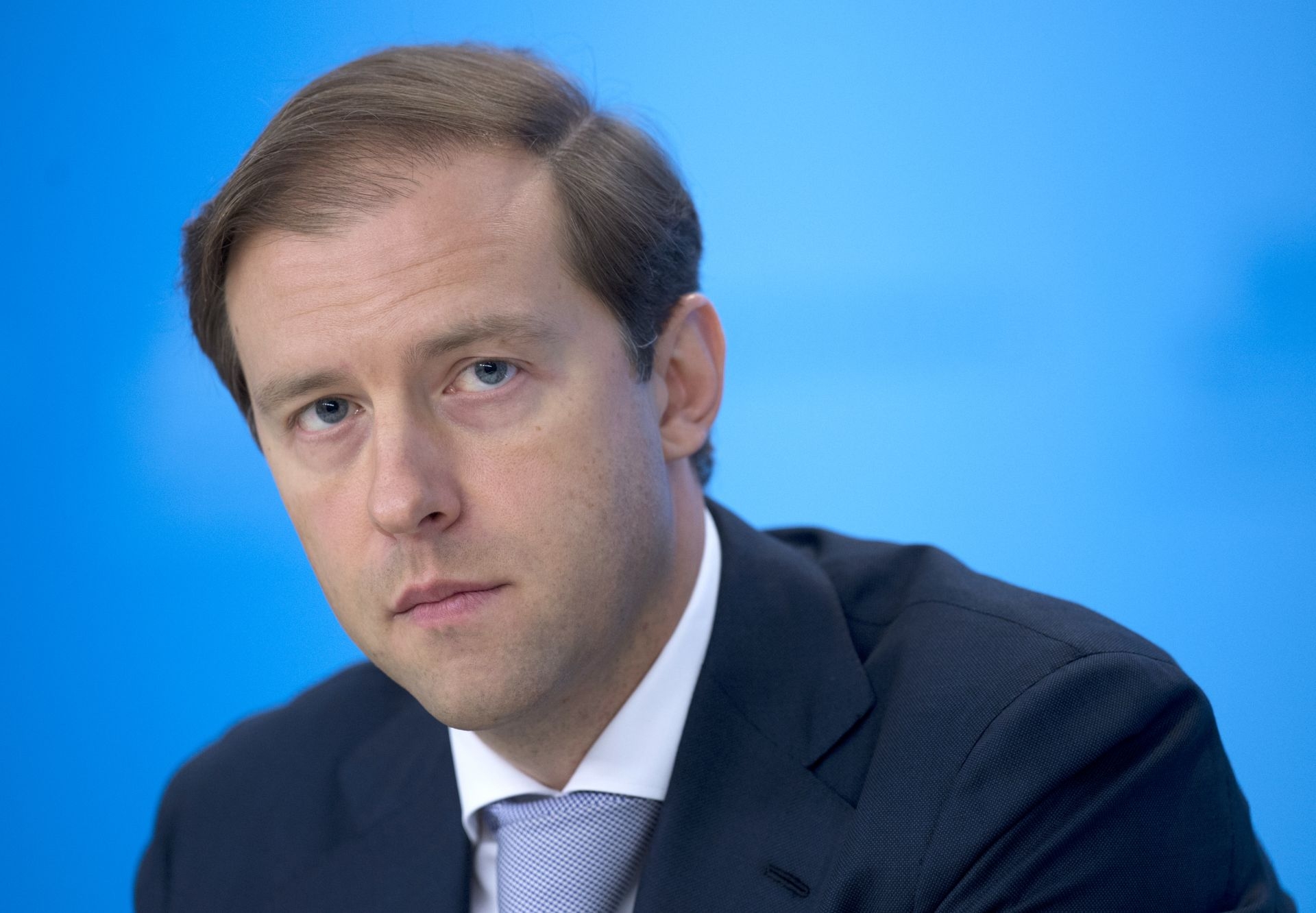
The Russian government is considering a package of measures aimed at better protecting intellectual property of Russian innovative companies abroad, according to an official spokesman of the Russian Ministry of Communications.

According to a prominent researcher in the field of neglected tropical diseases, the World Intellectual Property Organization has a prominent role to play in addressing the lack of research and development for neglected diseases.
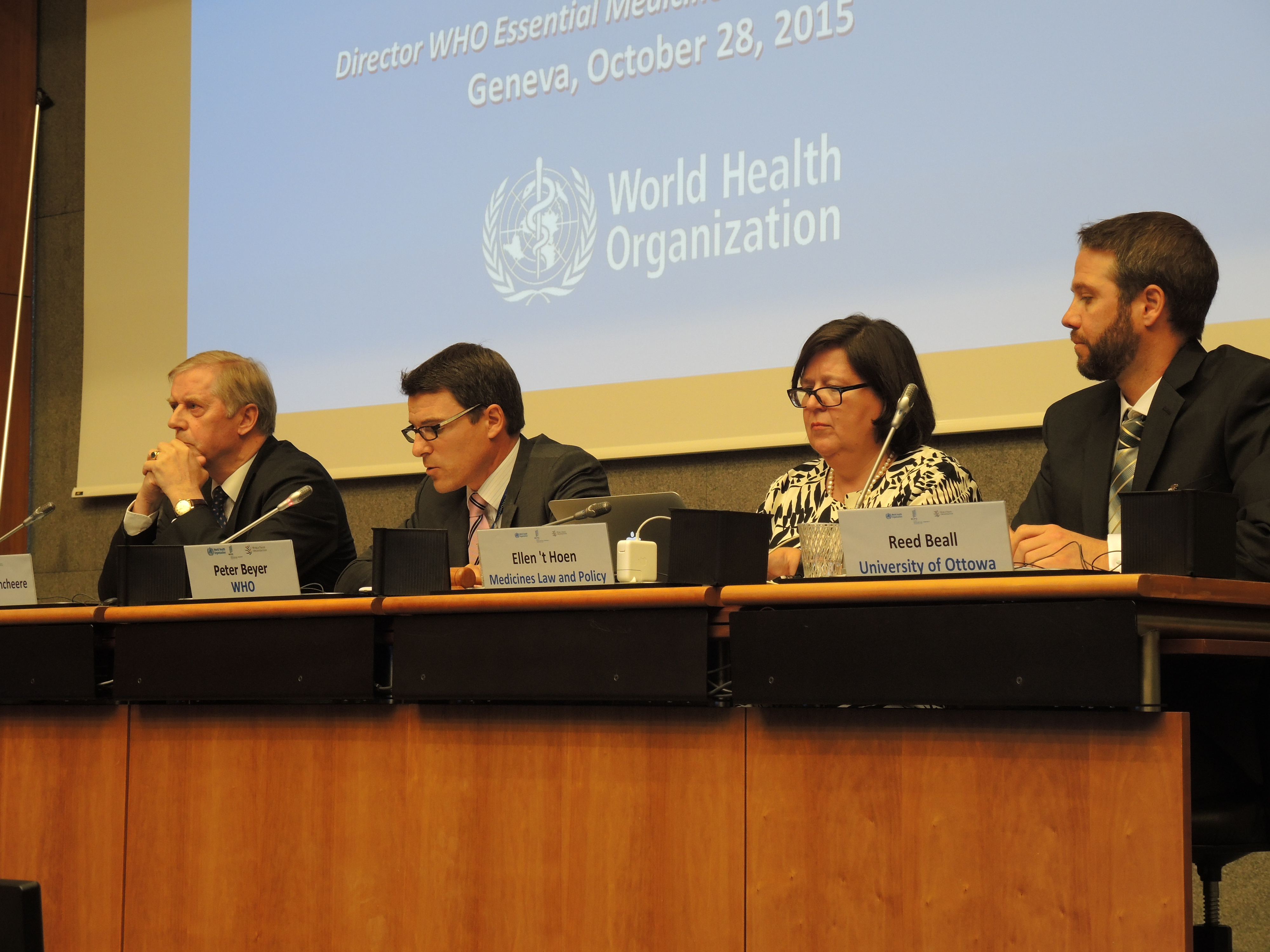
A joint symposium of the World Health Organization, World Trade Organization and World Intellectual Property Organization this week included several panels on how trade, public health and intellectual property could positively interact to increase access to medicines.

The trade ministers of the United States and India yesterday reviewed work from the past year on a full range of intellectual property issues and made new commitments, as part of their larger bilateral trade policy forum. Among the issues was a commitment to work for access to medicines, increase work on trade secrets, and deepen copyright cooperation in acknowledgement of the two biggest entertainment industries in the world.
Negotiations have been ongoing at the World Trade Organization over the extension of a waiver allowing least-developed countries not to grant or enforce intellectual property rights on pharmaceutical products.
The Office of the United States Trade Representative (USTR) next week is expected to provide justification for withholding from a Freedom of Information Act request the communications with its industry advisors as confidential commercial or financial information. The case involves communications in the lead-up to completion of the Trans-Pacific Partnership (TPP) agreement, and could set a precedent for exemptions of communications with lobbyists.

The president of the World Intellectual Property Organization staff association earlier this month raised profound concerns about ongoing practices involving staff at the UN institution. The WIPO director general then took the floor to address many of the concerns, offering explanations on various points, according to participants. In the end, both sides may be looking for an improvement this year.

A lively keynote address urging international organisations to adopt a fact-based view of the world and new ways of segmenting countries in an increasingly convergent world, set the scene for the annual trilateral symposium on public health, intellectual property and trade taking place at the World Trade Organization today.