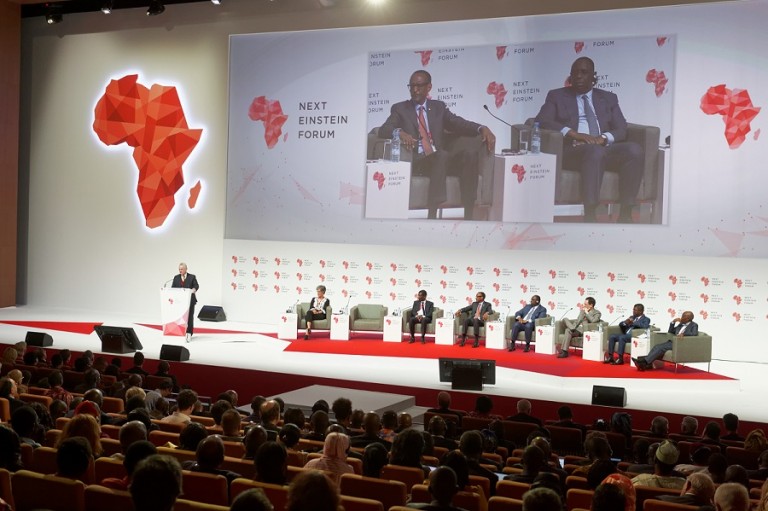
African Tech Start-Ups Face Many Challenges
DAKAR, Senegal – Rachel Sibande won accolades when she started Malawi’s first ever technology start-up mHub in 2013.

Original news and analysis on international IP policy
DAKAR, Senegal – Rachel Sibande won accolades when she started Malawi’s first ever technology start-up mHub in 2013.

Public health advocates, academics, patients, governments and others this week presented further ideas to the United Nations Secretary-General’s High-Level Panel on Access to Medicines on ways to break the longstanding pattern of expensive medical products around the world as a way to pay for research and development.
The World Trade Organization said today that momentum continues to build among member states to accept a public health amendment to the WTO intellectual property rights agreement, as three more countries adopted it in the past week.
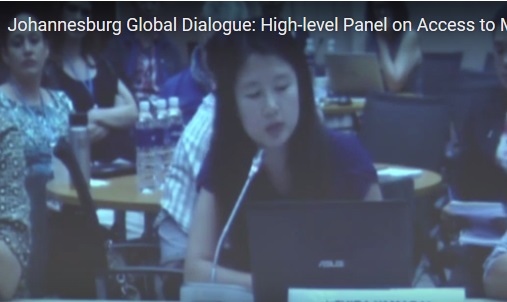
Speakers from Asian civil society provided recommendations to the public hearing of the United Nations Secretary General’s High-Level Panel on Access to Medicines held yesterday. They underlined the unaffordability of medicines in their countries, the inefficiency of current mechanisms such as voluntary licensing, and the pressure applied by pharmaceutical companies and the United States and Europe to prevent the use of compulsory licences. One speaker warned against the expert advice given by the World Intellectual Property Organization to least-developed countries, while others pointed to stringent intellectual property measures in free-trade agreements.
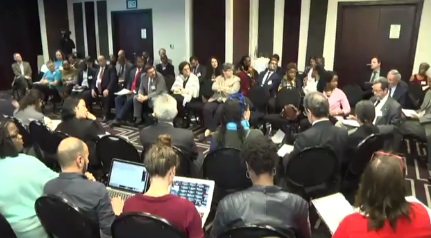
Today in Johannesburg, South Africa, the second of two public dialogues was held by the United Nations Secretary General’s High-Level Panel on Access to Medicines, drawing another packed room and many ideas, experiences and suggestions for solutions.
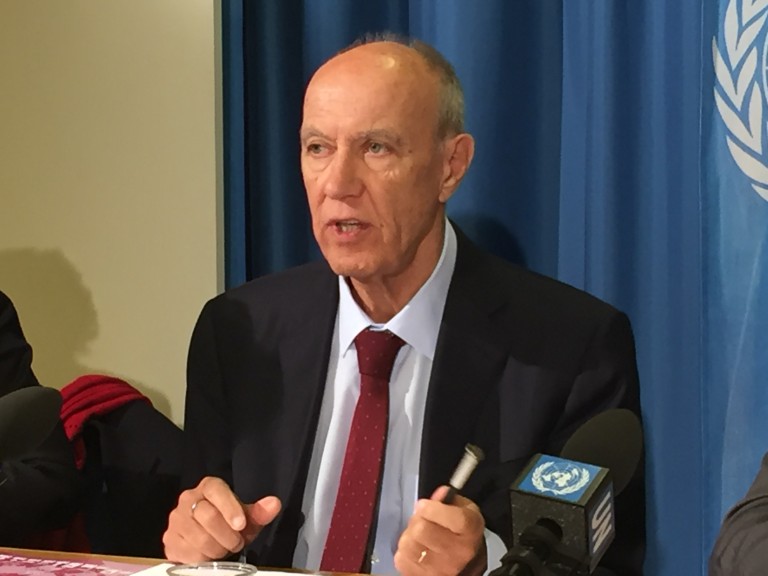
China, Japan and South Korea are among the top five countries filing international patent applications at the World Intellectual Property Organization, while the United States continues to lead in patent and trademark applications. Far behind, developing countries seem to be having a hard time catching up.
The United States government has increasingly engaged India on intellectual property rights and other trade issues in recent years, and US negotiators are under still more pressure to include industry in this engagement and deliver more results, a recent letter from 14 members of the US Congress shows.

The Ukrainian Parliament is currently drafting an amended Customs Code to introduce a number of changes to the country’s intellectual property legislation. Moreover, in mid-March, local lawmakers authorised Ukraine’s President Petro Poroshenko to ratify the protocol amending the TRIPS agreement which enables increased exports of pharmaceuticals produced under compulsory licences to countries which are not capable of manufacturing them locally.
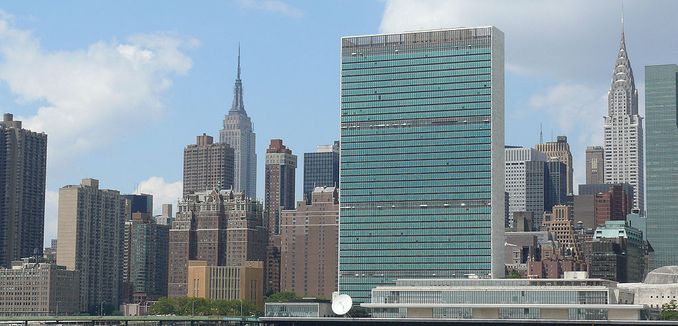
This year will be the last in office for United Nations Secretary General Ban Ki-moon. A number of Eastern European candidates are being proposed by their governments to be the next secretary general. The UN Framework Convention on Climate Change, as well as the UN Environment Programme are expected to have a new head by summer. Meanwhile, chairs are actively revolving in law offices.

Despite impressive growth, the pharmaceutical sector in China still relies on generic drug production since the majority of domestic companies cannot compete with country-based foreign corporations. Currently, following WTO pressure to oblige China to comply with IP regulations, more and more patented drugs are entering the market. Unfortunately, in spite of a newly introduced IP friendly bill, a puzzling situation persists, writes Pietro Dionisio.
Two key senators today released dozens of comments they received in response to their report on the medicine Sovaldi (and its follow-on Harvoni), whose extreme high prices sparked a debate over pharmaceutical pricing that has created momentum for policy changes.

The stand-off between European Patent Office President Benoît Battistelli and the Office's largest staff union continues this week with a 16 March SUEPO demonstration planned during a meeting of the Office's Administrative Council (AC), which supervises the EPO's activities.