Category Patents/Designs/Trade Secrets

Measure Allowing Federal Courts To Handle Trade Secrets Claims Clears US Congress

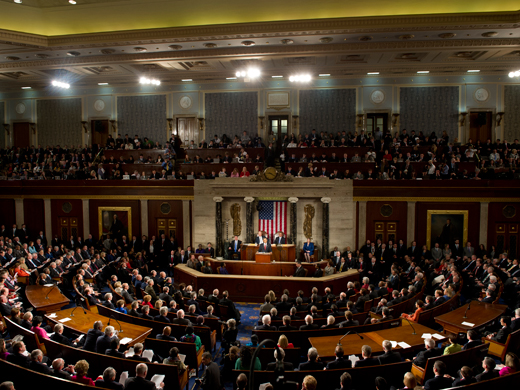
Legislation authorising federal courts to hear cases involving theft of trade secrets passed the US House of Representatives on 27 April and is now headed for an expected signature by President Barack Obama. Final enactment of the “Defend Trade Secrets Act of 2016” (DTSA), along with the 14 April adoption by the European Parliament of the EU Trade Secrets Directive, boosts protections on both sides of the Atlantic but not uniformly, intellectual property lawyers said.
Surprise! Much Work Being Done On Transparency Of Patents On Medicines

James Love writes: In a recent paper by Reed F. Beall and Amir Attaran [KEI's April 12, 2016 comment here: http://www.keionline.org/node/2467], and in the WIPO seminar discussions about the paper, the authors have held themselves out as more or less lonely voices calling for transparency of patent landscapes on essential medicines. This surprised and offended the many people who have not only been concerned about the lack of transparency on patent landscapes, but have been doing most of the work in digging out the facts, and/or proposing remedies.

Why We Celebrated World Intellectual Property Day 2016

Corey Salsberg writes: Yesterday was World Intellectual Property Day. April 26 is the day we celebrate and call attention to the global intellectual property (IP) system. Why do we set aside a day for the entire world to stop and reflect on a subject that, for many, may seem more at home in board rooms, lecture halls, and legislatures, than in cafes, farms, and internet blogs?

On IP Protection, USTR Finds Fault With China, India … And Switzerland?

The Office of the United States Trade Representative (USTR) does not hesitate to add even its closest friends to its annual list of concerns about possible inadequate protection of US intellectual property rights. So this year, along with perennial listees China, India and dozens of others, vigorous IP-rights defender Switzerland makes an appearance. The annual Special 301 report was issued today, and in its press release this year, USTR also included its primary client in publishing the list - the rightsholder industry.

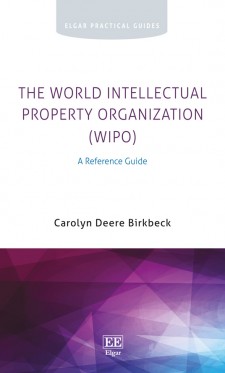
New Guide To WIPO Governance

A new publication offering an overview of the World Intellectual Property Organization governance system seeks to contribute to ongoing debates on the organisation's governance, according to its author.

Drawn Out Battle Over Genetic Resources Dampens Africa’s Hopes

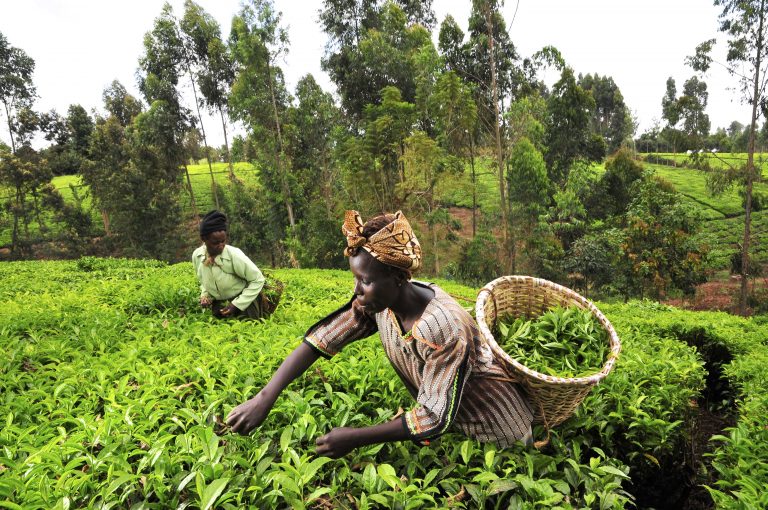
Chidi Oguamanam writes: The global South is full of significant, diverse biological and genetic resources. It’s also home to most of the world’s indigenous communities. This is why developing countries are sensitive about protecting their genetic resources and traditional knowledge.

Indigenous communities enjoy a close relationship with nature. Genetic resources are central to producing their traditional knowledge. This drives innovations in agriculture, medicines and conservation. But global intellectual property frameworks – the legal mechanisms for securing knowledge ownership – still haven’t taken this reality into account.

WIPO Members Urged To Overcome Differences On Disclosure Of Origin Of Designs

This week, World Intellectual Property Organization delegates are being urged to come closer on remaining issues in a potential treaty facilitating the registration of industrial designs for international applicants. This is easier said than done, though, as a number of WIPO members request that the treaty allows countries to request applicants to disclose the source of their designs, and other countries find this would defy the harmonising aim of the treaty.

WHO Debates Changes To Safeguards Against Undue Influence By Outside Actors

This week a group of delegates at the UN World Health Organization is seeking to finalise agreement on a draft framework defining the organisation’s relationships with external actors, such as philanthropy, the private sector, academia, and civil society. Today, Norway put forward a potential compromise. Meanwhile, dozens of civil society organisations called on member states to stand up to pressure to compromise the intergovernmental body’s independence from private sector influence.