Category IP Policies

Special Report: WHO Board Sets Review Of 10-Year Effort To Boost Medicines Access, Affordability

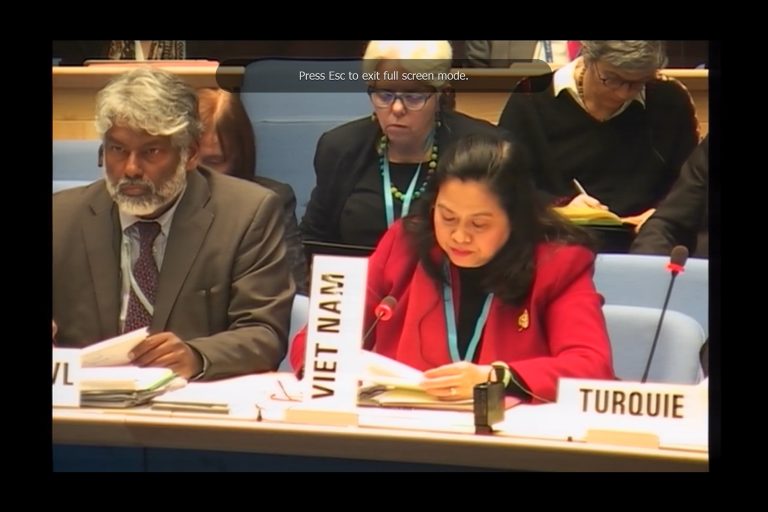
Once considered a breakthrough in negotiations to address problems of making cutting-edge medical products and research available to poor countries, the decade-old World Health Organization Global Strategy and Plan of Action on Public Health, Innovation and Intellectual Property (GSPOA) is now undergoing review, with the WHO Executive Board calling for a report on the initiative and plans for its future next year.


European Parliament Passes CETA After Debate Over Whether It’s A Good Or Bad Deal

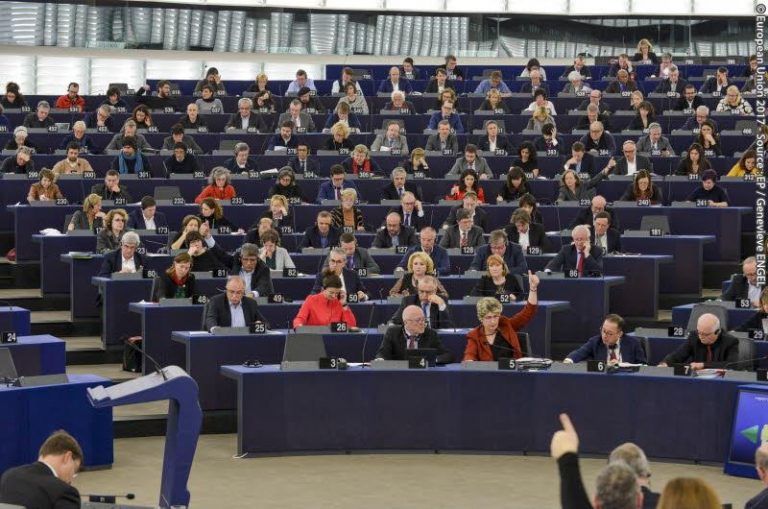
After a somewhat tumultous debate, the European Parliament today in Strasbourg voted in favor of the Comprehensive Economic and Trade Agreement (CETA) with Canada. With 408 members of Parliament voting in favour and 254 against (33 abstentions) the 1598-page thick deal can become provisionally effective as early as April. The national parliaments still have to ratify it over the coming months, and possibly years.

Kenya Works With Communities On Genetic Resources And Traditional Knowledge Protection

NAIROBI, Kenya -- Excessive degradation and over-exploitation of plant biodiversity in Kenya has led to depletion of some species and narrowed their genetic base. Apart from the conservation challenge, utilisation and sharing of benefits from plant genetic resources and traditional and associated knowledge among communities has also remained opaque despite constitutional guarantees.

Geneva Health Campus: New Home For Global Fund, GAVI, Unitaid In 2018

The construction of a new building to host the Global Fund to Fight AIDS, Tuberculosis and Malaria and other key players in the area of global health is well under way in Geneva. The “Campus Santé” (Health Campus) is expected to open its doors at the beginning of 2018. The hosts of the building will be tenants, while the investment costs are borne by Crédit Suisse, a prominent Swiss investment bank.

European Parliament Demands Transparency In Expert Groups, Protection For Whistleblowers

The European Commission is reforming the way it populates its "expert groups" which has been criticized as unbalanced and non-transparent for years. But the European Parliament is not satisfied. In a report on its own initiative passed in Strasbourg today practically unanimously (663 in favour, 16 against, 13 abstentions), the Parliament requested the Commission make public how it decides the composition of expert groups and explain which interest groups are to be represented and how geographical and political interests will be balanced.

The Problem With Rare Diseases: R&D Lacking, High Prices, Discrimination, IP Issues

Over 6,000 rare diseases, those affecting very small populations, have been documented in the world. For those affected, treatments are mostly non-existent, and if they do exist, are not affordable. An event last week gathered a number of stakeholders, including rare disease organisations, the World Health Organization and the pharmaceutical industry to discuss the particular issue of rare diseases. The case of rare diseases is an exacerbated example of research, pricing, accessibility and affordability.

New Policies On Technology Transfer In China: Granting More Autonomy To Universities

According to a recent circular released by the Chinese ministries of education, and science and technology, universities established by the state have autonomy in technology transfer (see the original news here). Unless the scientific and technological achievements concern national security, national interests, and major public interests, it is unnecessary to report to the ministry of finance or management department. All income gained from the technology transfer belongs to the universities.

Patentability Of Some Biotech Uncertain In Europe As Examination, Opposition Suspended

The patentability of plants or animals that have been obtained by natural occurrence such as selection and crossing has been a recurrent issue discussed at the European Patent Office (EPO). A recent notice from the European Commission challenged a ruling by the EPO Enlarged Board of Appeal on such patents, prompting yet more discussions in the organisation. In the meantime, all examination and opposition on such patents have been halted at the EPO. Industry is concerned that the EPO ruling might be questioned, and warns of effects on innovation, harm to applicants. Civil society is concerned about a non-transparent process.