Category IP Policies

TRIPS Council Members: Defining IP Rights And The Public Interest

"Political and economic pressure placed on governments to forgo the use of TRIPS flexibilities violates the integrity and legitimacy of the system of legal duties and rights created by the TRIPS agreement and as reaffirmed by the Doha Declaration," India told a World Trade Organization committee this week, referring to the WTO Agreement on Trade-Related Aspects of Intellectual Property Rights (TRIPS).

WSIS Forum: Close Link Between Internet And Human Rights

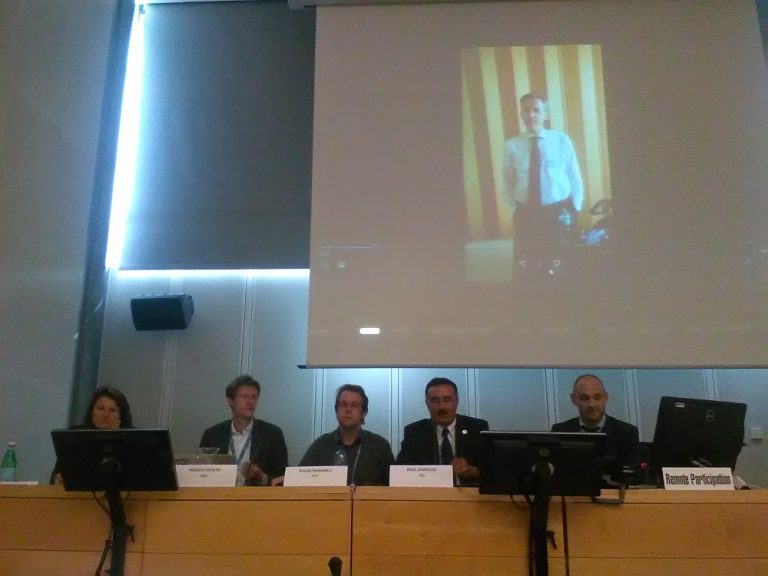
There is “no question” that there is a link between the infrastructure of the internet and human rights, Nicolas Seidler, senior policy advisor at the Internet Society, said at an information society event this week. Human rights are becoming “increasingly part of the design of the internet,” Niels ten Oever, head of digital at ARTICLE 19, said at the same event.

Made In China: The Past, Present And Future Of Chinese IPR

Shai Jalfin writes: Conservative projections say that China will surpass the United States as the number one economy in the world by 2030, but the shift could happen as soon as next year. Either way, there’s no doubt that China has emerged as one of the most important commercial economies in the world, and businesses everywhere are vying to enter its market. However, there is a serious hurdle when foreign companies decide to take their products to China – intellectual property rights (IPR), or more accurately, the country’s lack of adequate IP protection. History shows that bringing business to China, while extremely lucrative, has also been extremely risky – but it’s a market that cannot be ignored. Here is a look at the past, present and future of IPR in China.

Stakeholders Collectively Designing Future Of Artificial Intelligence

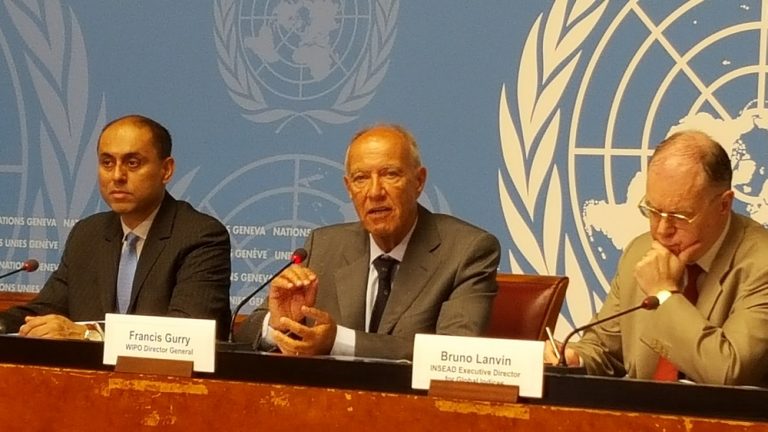
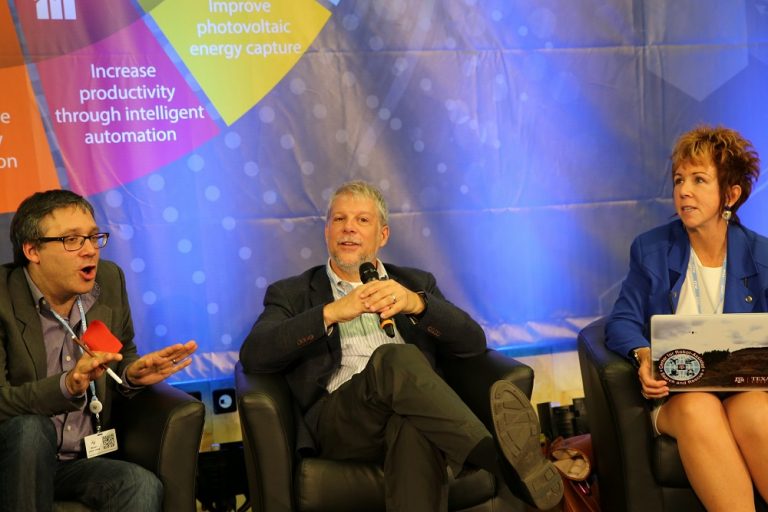
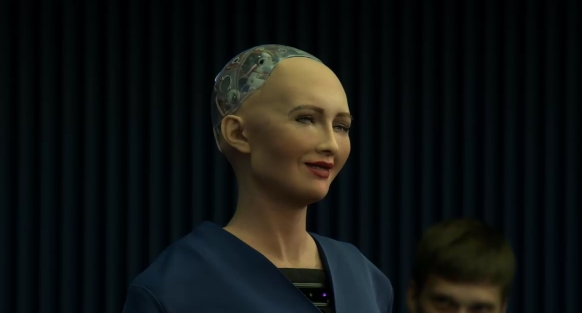
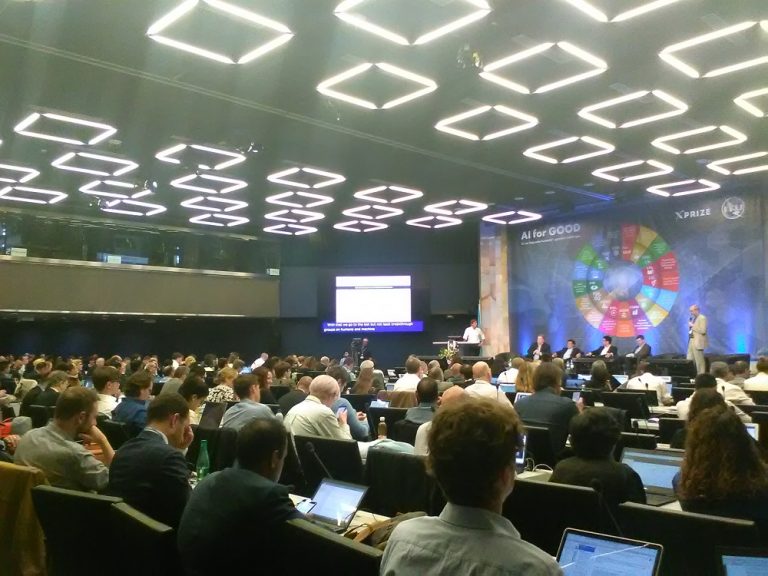
Designing a world where humans have to share space with robots is not an easy task. Several initiatives are looking at ways to address issues linked to the main fuel of artificial intelligence: data. Such issues include privacy, data ownership and sharing, but also making sure that artificial intelligence will not widen the existing digital divide. Speakers at a global summit last week provided insight on ongoing efforts to understand and best tackle the inevitable and sometimes unforeseen problems of this new territory.

At WIPO, Water Entrepreneurs Meet Investors

Entrepreneurs with innovative water technologies came to the World Intellectual Property Organization last week to find new partnerships and investors. The urgent need to work together and build partnerships in the water sector was the overall message of the event. “Nobody can do the work alone,” Nicholas Niggli, Republic & State of Geneva's Director General, Economic Development, Research & Innovation, said, referring to the many existing water challenges.

Experts Think Through Ethical, Legal, Social Challenges Of The Rise Of Robots

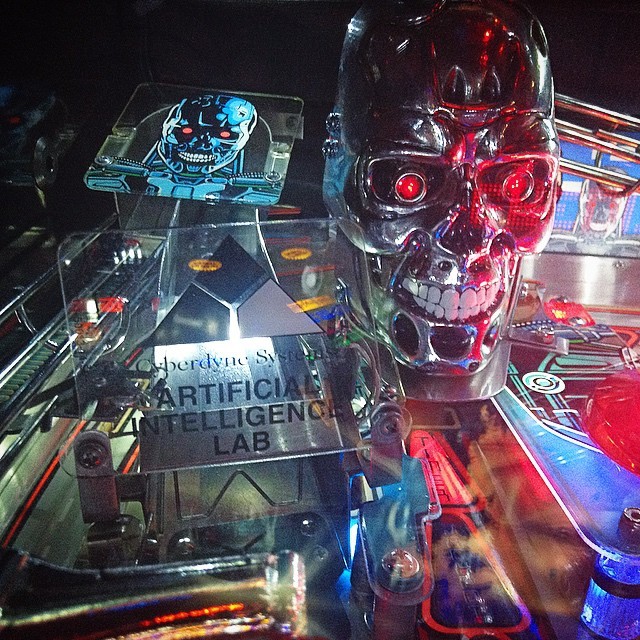
Who thought that the laws of robotics described by famous science fiction author Isaac Asimov would one day resonate with real life issues on robots? Last week’s summit on artificial intelligence sought to imagine a world increasingly manned by machines and robots, even self-taught ones, and explore the legal, ethical, economic, and social consequences of this new world. And some panellists underlined a need to establish frameworks to manage this new species.

WIPO Members Consider Future Of Committee On Traditional Knowledge, Folklore

The fate of the World Intellectual Property Organization committee addressing misappropriation of the cultural heritage of indigenous peoples will be decided by the annual WIPO General Assembly in October. But the committee this week is expected to provide recommendations on its future work, on the renewal of its mandate, and whether work accomplished over the last two years can lead to a high-level negotiation on one or several treaties giving indigenous peoples increased rights over their culture.