Category IP Policies

As Global Fund Board Meets To Choose New Director, Sands Seeks To Reinstate Candidacy

Days after withdrawing from consideration to be the next director of the Global Fund for AIDS, Tuberculosis and Malaria, the UK's Peter Sands has asked to be reinstated. The actions come as the Fund's Board gathers this week to choose among the final candidates for head of the international health funding organisation based in Geneva.

New Draft Action Plans On Copyright Limitations And Exceptions At WIPO

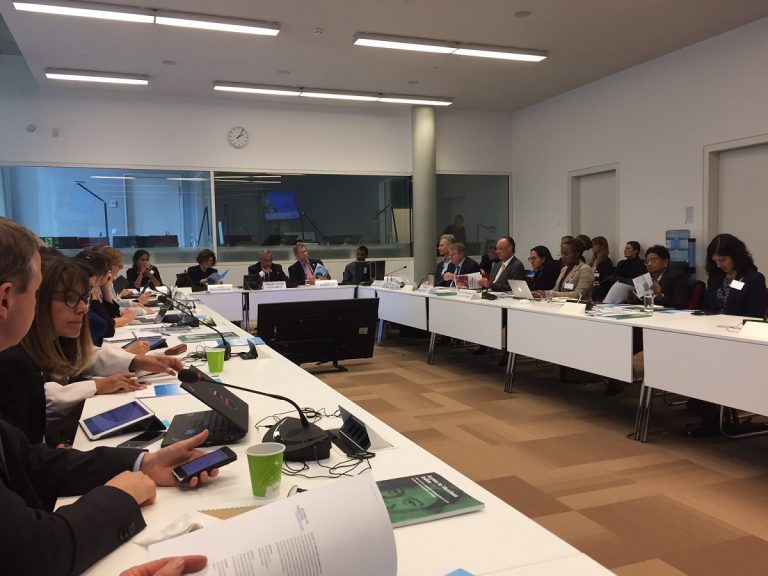
The World Intellectual Property Organization has grasped the nettle after years of discussion on the issue of limitations and exceptions to copyright, and provided draft action plans, one each for libraries, archives, museums, educational research institutions, and persons with other disabilities than sight impairment. The plans, being discussed in this week's committee meeting, include brainstorming sessions, studies, and regional seminars, and conferences to advance understanding and issues related to copyright for those particular actors.

Next Global Congress On IP And The Public Interest

American University Washington College of Law (AUWCL) Program on Information Justice and Intellectual Property has announced the hosting of Fifth Global Congress on Intellectual Property and the Public Interest, from 27-29 September 2018. And it is now actively seeking sponsors, partners and expressions of interest.

First Consultations Held On WHO Pandemic Flu Framework Options

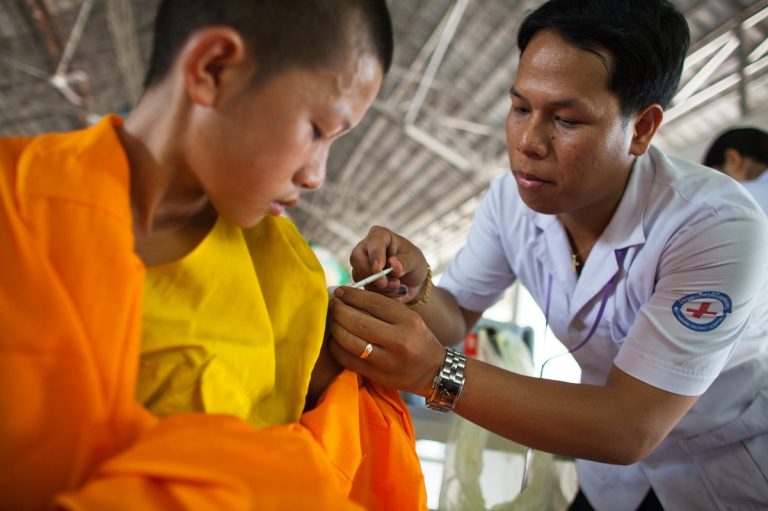
The World Health Organization is consulting member states and stakeholders on the future of its mechanism to help prepare the world for the next influenza pandemic. It is particularly asking whether countries should submit not only the biological samples of their influenza viruses, but also their genetic information through the mechanism. Also in question is whether the mechanism should be extended to cover seasonal influenza. Stakeholders had different views but all questioned the absence of recognition by the WHO of a widely used database currently hosting most of the world’s influenza genetic information.

WIPO Vaccines Report Contestable, With UN High-Level Panel Misquoted, Advocate Says

The World Intellectual Property Organization this week held an event that delved into research, markets and access for vaccines with panels that showed unusual breadth of representation for the UN IP agency. But health advocates have taken issue with the wording of a report released by WIPO at the event.

WIPO Hosts Widely Represented Discussion On Vaccine Innovation And Access

A well-represented set of experts this week held discussions on the current situation of access to vaccines, the market, the role of pharmaceutical companies, and partnerships. Vaccines were not a field much affected by patents in the past, but the situation has changed and new vaccines are now covered by intellectual property, which might constitute a barrier to access, according to speakers.

South Centre: Clear Rules Needed On Biosimilars Equivalence To Help Market Entry, Lower Prices

As soon as 2022, biological drugs made from active protein substances are expected to make up 50 percent of the pharmaceutical market, as they are increasingly used to treat a number of illnesses such as diabetes, cancer and hepatitis. But with the high price of therapeutics and difficulty in producing biologically similar products, and with the originator products now coming off patent, regulation is of high importance, says a new report from the intergovernmental South Centre.

Geneva Buzzing With Ideas And Events For International Entrepreneurship Week

A weeklong event next week has been co-organised and sponsored by a number of Geneva actors, such as the World Intellectual Property Organization, the European Organization for Nuclear Research (CERN), and the University of Geneva, as well as lesser known groups and projects, to celebrate the international week of entrepreneurship.

Custom Built Software And The IP Law – What You Need To Know

The practice of building custom software is alive and well despite the emergence of tons of ready to use offline and online business apps. Businesses build custom software for various reasons. Some are unsatisfied by solutions available on the market, others need very specific features or overall functionality, security and privacy concerns are another major driver of tailored software development. The process of building custom software involves five basic stages, if you stick to traditional software development workflow, or an indefinite number of iterations under agile development method. Both approaches, however, include various scenarios in which intellectual property rights are involved, writes Jorge Sagastume.