Category IP Policies

WIPO Committee Debates Future Of Copyright Exceptions, Will Keep Working On Broadcasting Text

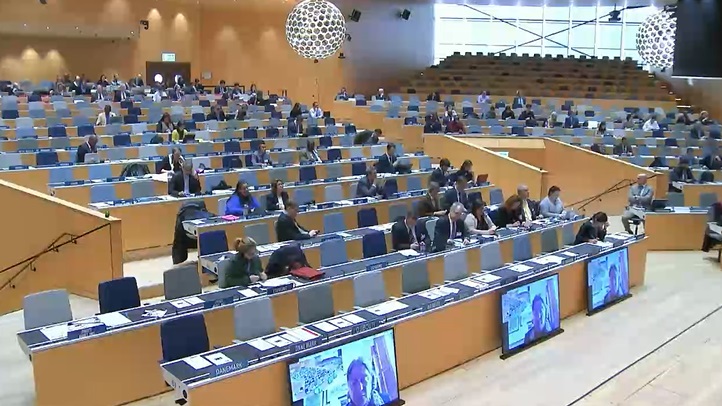
The World Intellectual Property Organization copyright committee last week sent back to the drawing board draft action plans provided by the secretariat on exceptions and limitations to copyright for specific actors such as educational institutions and libraries. Meanwhile, discussions on the rights of broadcasting organisations against signal theft and piracy are expected to give way to a new text on specific topics, to be produced by the end of the month, while topics such as the resale right did not make it to standing agenda items but remain on list of items to be discussed in the spring.
US NAFTA Negotiating Objectives For IP? Go Big On Digital IP Protection, Fend Off GIs

The Office of the United States Trade Representative (USTR) has issued a set of negotiating objectives for renegotiating the 1994 North American Free Trade Agreement (NAFTA) that include its hopes for elevating intellectual property in the trade deal. Included in the list: force Canada and Mexico to ratify international treaties, accept US law on IP protection and create conditions for "strong" IP enforcement especially online, and ensure ample protection for products with generic names. Perhaps oddly, there is only one mention of trade, which includes respect for a 2001 text at the World Trade Organization on IP and public health.

Rise Of Global Value Chains Propels Intangible Capital Revenues, WIPO Report Says

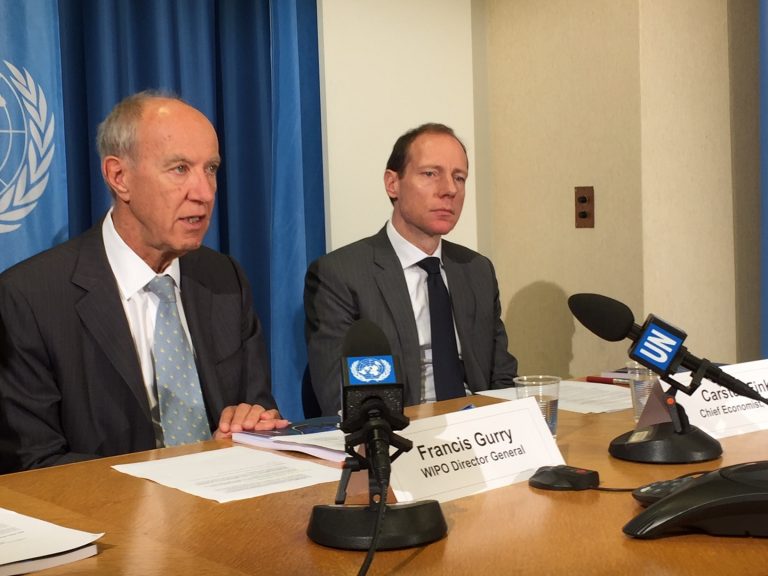
A World Intellectual Property Organization report released today shows the growing global importance of intangible capital and its share in the value of end products. The report does not however provide a geographical repartition of this value, nor who actually owns the returns on intangible capital. Three case studies shed light on different production areas: coffee, smart phones, and solar panels.

Studies Presented At WIPO To Better Understand Limitations To Copyright

With no consensus on conducting normative work at the World Intellectual Property Organization on the limitations to copyright for certain actors such as persons with disabilities, educational institutions, and museums, the committee on copyright had agreed on several studies so the issues are better understood. This week, several of those studies were presented to the committee and shed some further light on the issues.

New Proposal At WIPO On Exceptions To Broadcasting Rights

While World Intellectual Property Organization delegates held informal closed consultations at the beginning of this week on a potential treaty protecting rights of broadcasting organisations from signal theft and piracy, a group of Latin American countries has proposed language on limitations and exceptions to these rights.

TPP Texts Show Suspended IP Provisions

Trade ministers negotiating the Trans-Pacific Partnership agreement have released the list of provisions they have suspended, including a range of articles related to intellectual property rights, such as patentable subject matter, test data protection, biologics, copyright terms of protection, and technological protection measures.

ITU Report Analyzes Revolution In Internet Of Things, Big Data, Cloud, AI

The UN International Telecommunication Union (ITU) today released its annual report on the global information society, this year providing detailed analysis of the transformational "revolution" underway involving the Internet of Things, big data, cloud computing and artificial intelligence. It also ranked countries by their level of ICT development. Hint: the Western Hemisphere did not fare so well.

Infojustice – US, Canadian & Mexican Law Professors, Academics And Policy Experts: NAFTA Must Include Fair Use, Safe Harbors

WASHINGTON – Today, over seventy international copyright law experts called for NAFTA and other trade negotiators to support a set of balanced copyright principles. The experts urge trade negotiators to support policies like fair use, safe harbor provisions, and other exceptions and limitations that permit and encourage access to knowledge, flourishing creativity, and innovation. Signatories include preeminent intellectual property professors and experts from law schools, think tanks, and public interest organizations in the U.S., Canada, and Mexico, as well as Argentina, Australia, China, Ireland, and Switzerland.