Category IP Policies

3D Printing And Public Policy

John Hornick writes: Although legal principles apply to 3D printing the same as they apply to any other technology, 3D printing has the unique potential to upset the legal status quo. It is the potential scale of 3D printing that may have profound effects on the law. 3D printing cuts across many areas of law, most types of technology, and almost all types of products. Eventually, anyone may be able to make almost anything. No one else will know they made it or be able to control it, which I call 3D printing away from control.

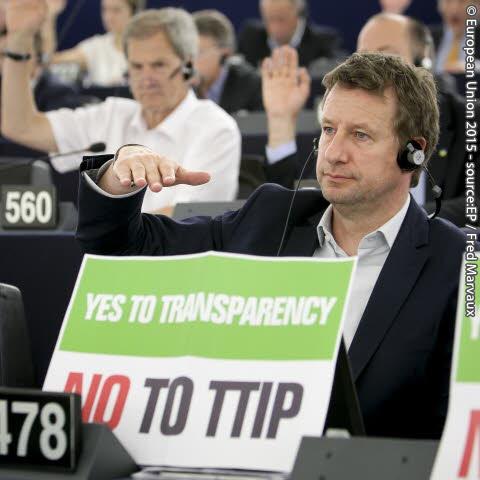
European Parliament Decides In Favour Of TTIP Mandate And “New ISDS”

The European Parliament today voted in favour of its own mandate for the negotiations of the Transatlantic Trade and Investment Partnership, a broad free trade agreement between its 28 member states and the United States. With 436 yes versus 241 no votes (32 abstentions), the Parliament adopted a resolution that also gives green light to the hotly debated investor-state dispute settlement (ISDS), albeit a new version of it.

US High Court Removes Economics From Patent Law

Economics be damned. So said the US Supreme Court on 22 June, when it reaffirmed a 50 year-old ruling that limits how patent owners can license their patents. The court conceded the limit does not make economic sense, but asserted that patent law has its own logic. That could change many aspects of patent law, according to experts.

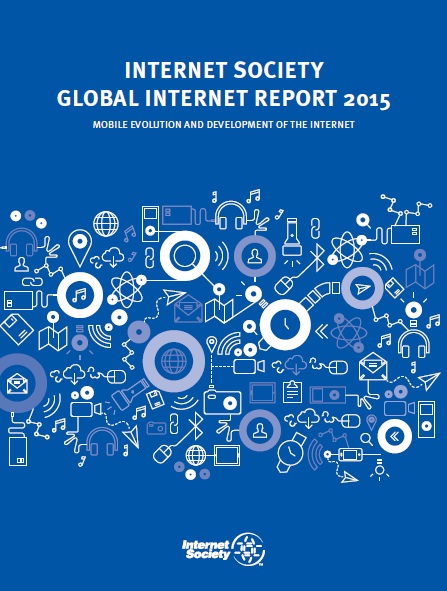
New Report Documents How Mobile Fundamentally Changed Internet Use

A new report released today shows how mobile technology has fundamentally transformed internet access and use. The report gives forecasts and makes recommendations for policymakers going forward. Among the findings is the rapid rise in dependence on apps, which can raise security, privacy, competition, and cost concerns, as well as issues of availability of locally relevant content online.

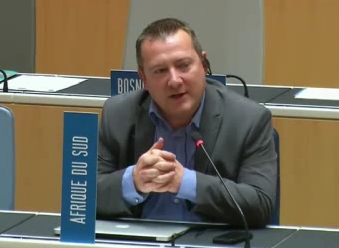
South Africa Says WIPO Broadcasting Treaty Would Address Piracy As African Production Grows

As the broadcasting sector is growing in developing countries, concern over piracy of the signal of their broadcasts is rising, according to delegates from South Africa. Delegates attending last week’s World Intellectual Property Organisation copyright committee meeting sat down with Intellectual Property Watch and argued the importance of a potential WIPO treaty protecting broadcasting organisations’ rights.