Category IP Policies

Special Report: WHO Advisory Group On Flu Preparedness Hears Comments, Addresses New Genetics Issue

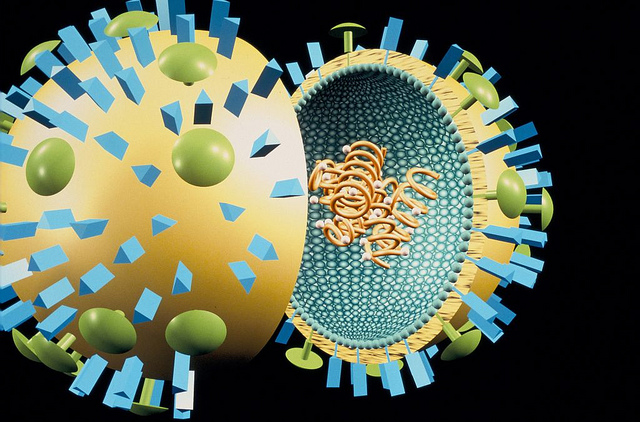
World Health Organization members and stakeholders were invited to provide comments this month on the organisation’s framework to spur preparedness for future influenza pandemics and ensure treatments will reach developing countries. The framework is expected to undergo a review in 2016. The advisory group to the initiative also went through issues such as contributions by manufacturers, and how to deal with genetic sequence data.

Special Report: US Reverses Course On Patent Injunctions

The Federal Circuit is no stranger to controversy. And recently, the court stepped in it again. In an important ruling, the court made it far easier for some patent owners to obtain injunctions against infringers. The ruling could promote patent litigation in many industries, boost litigation costs, and effectively undermine a key Supreme Court decision limiting the availability of patent injunctions.

Infojustice.org: Google Books And Feist-y Fair Use

From infojustice.org: Judge Pierre Leval’s opinion [on 16 October] in the Google Books case offers another fascinating glimpse into the richness of his thinking about the concept of fair use. Although the outcome in Google Books (Google wins, duh) was obvious to anyone whose paycheck didn’t depend on their believing otherwise, the discussion that gets us there sheds light on a host of hot fair use topics in ways that courts and copyright wonks will be citing and unpacking for years to come.

EPO Still In Turmoil As Supervisory Body Backs Dismissal Of High-Level Staff

The European Patent Organisation has been in turmoil for years facing serious staff dissent and complaints aimed at EPO President Benoît Battistelli of France. The EPO's effort appears to have intensified in recent months, and on Friday the EPO Administrative Council, the agency's supervisory body, announced an action to back Battistelli and endorsed a request for the dismissal of a high-level staff member. The action sent critics to new levels of criticism.

“The Brain Is The Next Frontier,” Bioethics Futurist Says, Raising New Societal Challenges

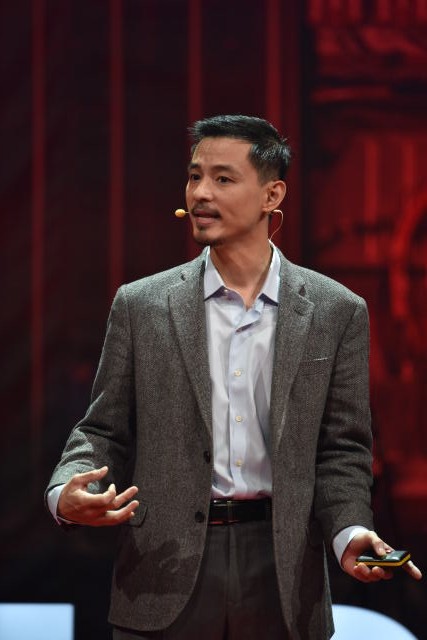
At the recent TEDx CERN event, Intellectual Property Watch caught up with bioethicist and legal philosopher Matthew Liao, to reflect on challenging moral questions raised by new advances in computing and neuroscience allowing for the manipulation of human thoughts and memories. Liao reflected on whether we should use drugs and technology to erase traumatic memories, and if individuals have a moral obligation to themselves to remember certain events.