Category IP Policies

US Congressional Study Finds Excessive Profit-Seeking In USD84K Hepatitis Drug Sovaldi

Two bipartisan United States senators today released the results of an 18-month investigation into the US$84,000 price of the Sovaldi hepatitis C drug, finding the pricing and marketing strategy was aimed at maximizing revenue at the expense of access and affordability. The new report also shows the high impact on US government drug procurement programs and other data.


Flexibility In The TPP Statutory Damages Provision

Jonathan Band writes: During the negotiation of the Trans-Pacific Partnership Agreement, many concerns were voiced about how TPP would mandate adoption of US-style statutory damages. Under the US Copyright Act, a court can award damages of up to $30,000 per work infringed, which can be ratcheted up to $150,000 per work infringed in cases of willful infringement. Scholars have found that statutory damages in the US have discouraged investment in innovative technologies while incentivizing the emergence of copyright trolls. So how bad is the statutory damages provision in the final TPP agreement?

TPP Strengthens Controversial IP Arbitration

The US government has been less than candid about the Trans-Pacific Partnership. While the agreement was being negotiated, the US Trade Representative stated that a much-criticized arbitration process included in the TPP would not apply to intellectual property. Turns out, it does apply to IP. And it provides foreign corporations with a huge advantage in IP disputes – private arbitrations that can override courts and statutes, effectively rewriting a nation’s IP laws.

Group Calls On WTO Members To Make Trade Rules Development Compatible

A group of civil society organisations is calling for endorsements of a letter to the World Trade Organization prior to the upcoming Ministerial meeting in December aimed at preventing alleged efforts by rich countries to tighten international trade rules and introduce corporate “wish-list” issues from free trade agreements into the WTO.

Compromise Future Work Plan Adopted For WIPO Committee On Enforcement

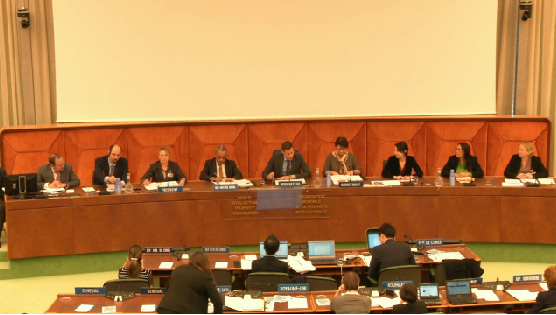
The World Intellectual Property Organization committee on enforcement concluded yesterday with an agreement on the future work of the committee. The adoption of this programme was heavily discussed during the week, reflecting the different approaches on enforcement of intellectual property rights among countries.

At WIPO, Former South Africa Judge Calls For Balance In IP Rights Enforcement

Alongside this week's meeting of the World Intellectual Property Organization committee on enforcement, an event featured a former South African Supreme Court judge presenting his views on IP enforcement. There is a need to go for the “big fish,” he said, and to bring balance in sanctions and enforcement procedures. He also described courts as finding that exceptions to copyright are a public right.

TPP Article 14.17 & Free Software: No Harm, No Foul

[Software Freedom Law Center, Link (CC-BY-SA)] The first official public release of the text of the Trans-Pacific Partnership Trade Agreement (known universally as the TPP) on November 5, 2015 generated much heated speculation. The ideal of “open agreements, openly arrived at” remains regrettably unattainable in international affairs. “Fast track” trade negotiating authority in the US means that parties excluded from the negotiating process have a short time in which to mobilize for or against the treaty as a whole in light of their specific concerns. The premium on speed of response to a very lengthy and complex legal document—and the presence of intense public attention—guarantees that hasty judgment and occasional self-promotion will always outrun professional analysis; this is one of the inherent defects of secret legislation.