Category IP Policies

Governments Agree To ICANN Accountability Proposals, Giving Green Light For IANA Transition

Governments gathered at the 55th meeting of the Internet Corporation for Assigned Names and Numbers (ICANN) in Marrakesh this week have agreed to not object to the final proposal on enhancing ICANN accountability. By the move, the governments cleared the way to allow a potential handover of the management of the central root zone of the domain name system and other core databases to ICANN from the United States Department of Commerce's National Telecommunications and Information Administration (NTIA).

UN Global Dialogue On Innovation And Access To Medicines This Week

The United Nations Secretary General’s High-Level Panel on Access to Medicines is holding a global dialogue this month, attended by governments, civil society, industry and academia, to discuss potential solutions to promote innovation and at the same time increase access to medicines. The first public dialogue session is this week, on 10 March in London.

WHO: Zika Virus Spreading, R&D Needs Financing, Sample Sharing Discussed

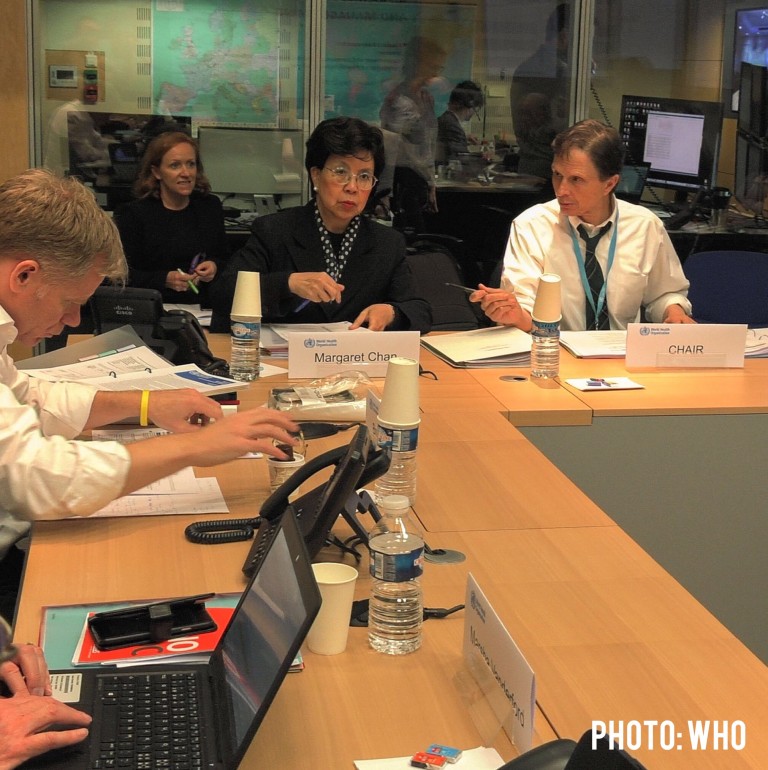
The World Health Organization said today that evidence of the relationship between the Zika virus and neonatal malformations and neurological disorders is growing stronger. The Emergency Committee set up by the WHO at a gathering today issued advice to the WHO director general, including warning pregnant women to avoid travelling to Zika infected countries. Meanwhile, discussions are ongoing on the sharing of the samples of the virus, and on the question of benefit-sharing. And a call was made for research and development to intensify.

TRIPS Council: Differing Views On IP Education; New Database Project Launched

Discussions on the worth of intellectual property for innovation and development have been a recurring agenda item during recent meetings of the World Trade Organization committee on intellectual property. This week, education and how it can raise awareness of IP was discussed with WTO members presenting their national experiences, and some developing countries warning against colluding IP and innovation.