Category IP Policies

ICANN CEO Atallah: Gearing Up For Next Round Of New Internet Domains

One controversial issue from early days of the World Summit on the Information Society (WSIS) could come to final closure ten years later: the decoupling from US oversight of the Internet Assigned Numbers Authority (IANA), which manages the central root zone for the domain name system. Meanwhile, the next round of new internet domains is being teed up, the head of the domain name system oversight body has said.

Infojustice.org – Australian Commission Recommends Fair Use To Restore Balance In Copyright Law

Infojustice.org reports: A draft report by the Australian Productivity Commission (APC) concludes that the current copyright law fails to properly balance the interests of copyright holders and users. It warns that “Australia’s copyright arrangements are weighed too heavily in favour of copyright owners, to the detriment of the long-term interests of both consumers and intermediate users.” The APC makes recommends changes to the law to address the imbalance, including “the introduction of a broad, principles-based fair use exception.”

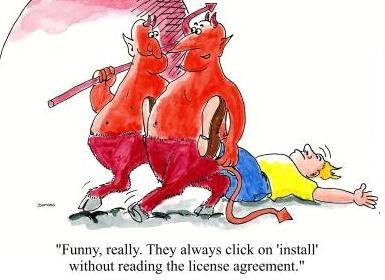
WSIS2016: Software Licensing Matters – To Everybody

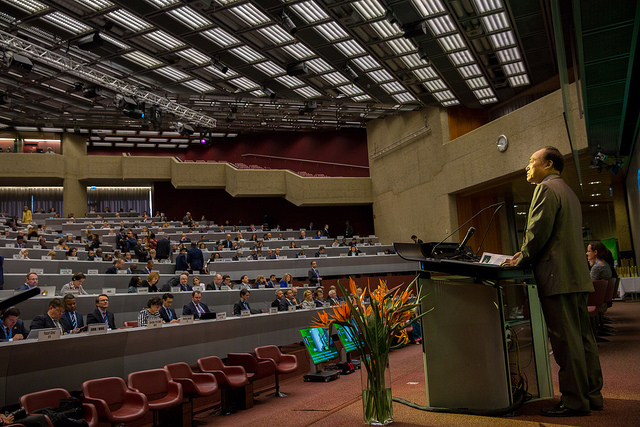
A special committee at the World Intellectual Property Organisation on software licensing, a globally harmonized software licence model and a dispute resolution system were among the ideas presented to the World Intellectual Property Organization (WIPO) at panel it hosted at day one of the 2016 WSIS Forum meeting in Geneva.

MSF Issues In-Depth Report On R&D And Drug Prices

Médecins Sans Frontières (MSF, Doctor Without Borders) today announced a report detailing what it calls failings in the current system for developing new drugs in ways that all patients can afford and access, and providing proposed policy options for addressing the problems.

Special Report: The Battle For Biosimilars In India

[story updated] Biosimilar drugs hold out big opportunities for India’s drug companies. But the future is fraught with challenges. One key challenge is regulations.

What does this mean for countries like India, an emerging market for biosimilars? How will the evolving global regulatory environment on biosimilars impact patients?

Last month, both these questions came to the fore as the battle over biosimilars moved centre stage in this country in the wake of an interim order by the Delhi High Court, and then another decision by a Division Bench of the same court which took a different view.

Discussions Continue On How To Govern WHO Interactions With Outside Actors

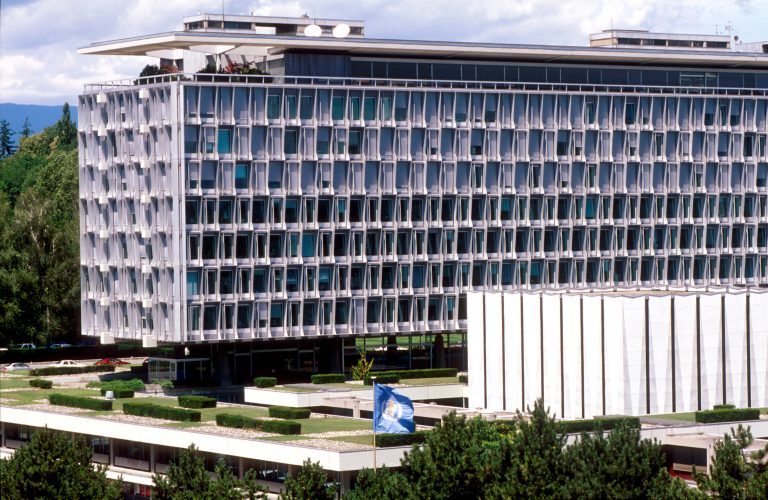
The World Health Organization interacts with a large number of actors aside from governments, such as industry, philanthropic organisations, academia, and civil society. With an eye to preventing undue influence on the work of the organisation, member states have been trying to finalise a draft framework on WHO interaction with those actors. This week, what was seen as a last effort at reaching a consensual text did not quite meet the goal and some additional informal discussions are expected to take place before the annual World Health Assembly in late May.

Measure Allowing Federal Courts To Handle Trade Secrets Claims Clears US Congress

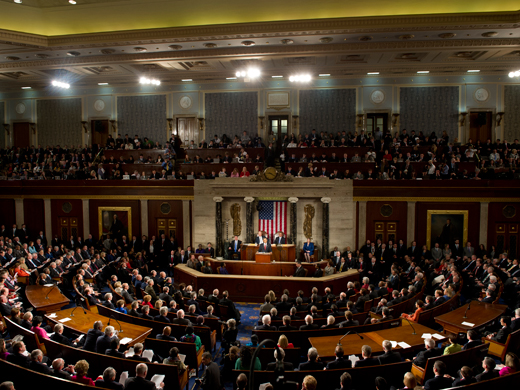
Legislation authorising federal courts to hear cases involving theft of trade secrets passed the US House of Representatives on 27 April and is now headed for an expected signature by President Barack Obama. Final enactment of the “Defend Trade Secrets Act of 2016” (DTSA), along with the 14 April adoption by the European Parliament of the EU Trade Secrets Directive, boosts protections on both sides of the Atlantic but not uniformly, intellectual property lawyers said.

Surprise! Much Work Being Done On Transparency Of Patents On Medicines

James Love writes: In a recent paper by Reed F. Beall and Amir Attaran [KEI's April 12, 2016 comment here: http://www.keionline.org/node/2467], and in the WIPO seminar discussions about the paper, the authors have held themselves out as more or less lonely voices calling for transparency of patent landscapes on essential medicines. This surprised and offended the many people who have not only been concerned about the lack of transparency on patent landscapes, but have been doing most of the work in digging out the facts, and/or proposing remedies.