US President Signs New Trade Secrets Law
US President Barack Obama yesterday signed into law a measure aimed at strengthening trade secret protection including by allowing federal courts to hear cases involving trade secret theft.

Original news and analysis on international IP policy
US President Barack Obama yesterday signed into law a measure aimed at strengthening trade secret protection including by allowing federal courts to hear cases involving trade secret theft.
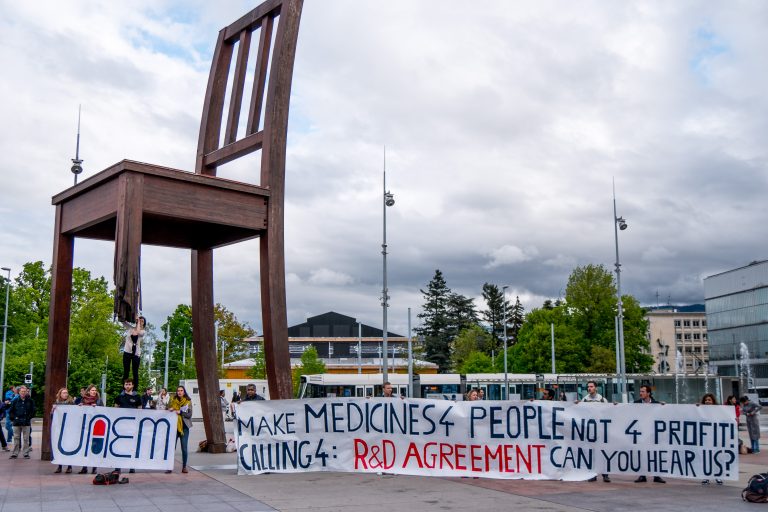
Public health advocates last week told World Health Organization delegates they must act quickly to save the lives of poor populations suffering from less common diseases for which there is no research and development funding. Nongovernmental organisations showed up to a WHO meeting on the issue to urge on delegates, even holding a public demonstration in front of the UN, but there was concern afterward at the little progress made.
YouTube is recognised by many as the world’s biggest music platform. Listening to music on YouTube is free for users. However, according to the music industry, it pays very little in terms of revenue, mostly from advertising. It is time that the safe harbour laws behind which YouTube is hiding, creating a market distortion, be revised or better applied, music industry speakers asserted this week at a World Intellectual Property Organization side event.
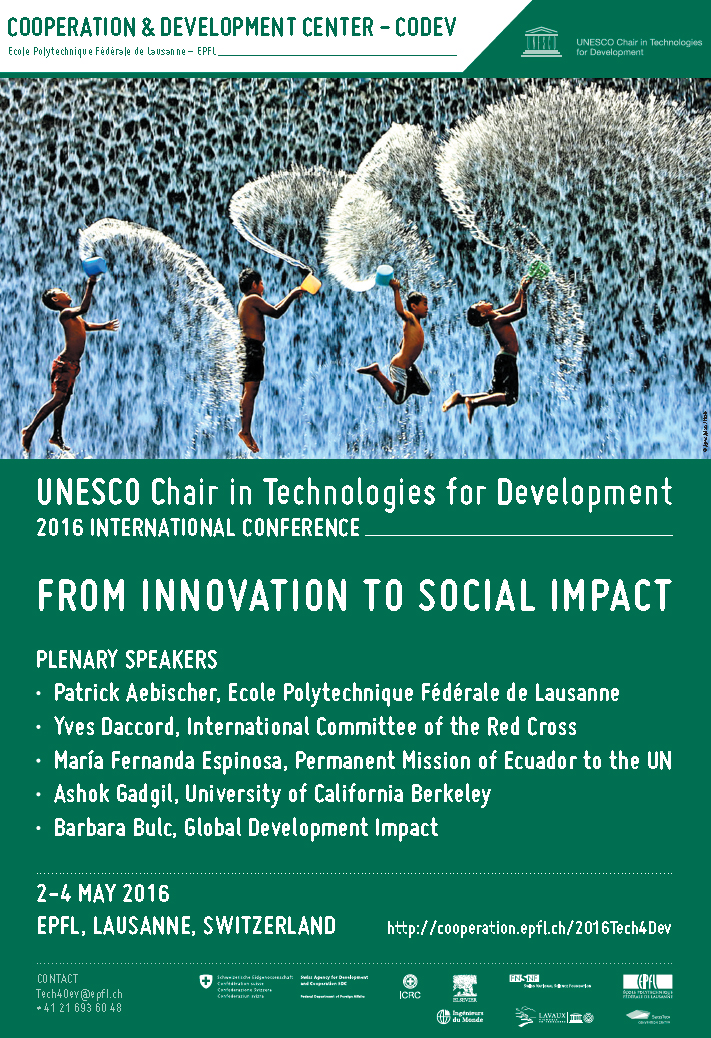
New technologies are of limited value if they are not accessible. Thus the crucial challenge lies not only in promoting innovation, but in translating innovation into social impact. This was the theme of the fourth Conference on Technologies for Development (“Tech4Dev”).
The World Intellectual Property Organization, a United Nations agency, today gave the UN in New York an update of ongoing negotiations for the protection of indigenous knowledge and genetic resources.
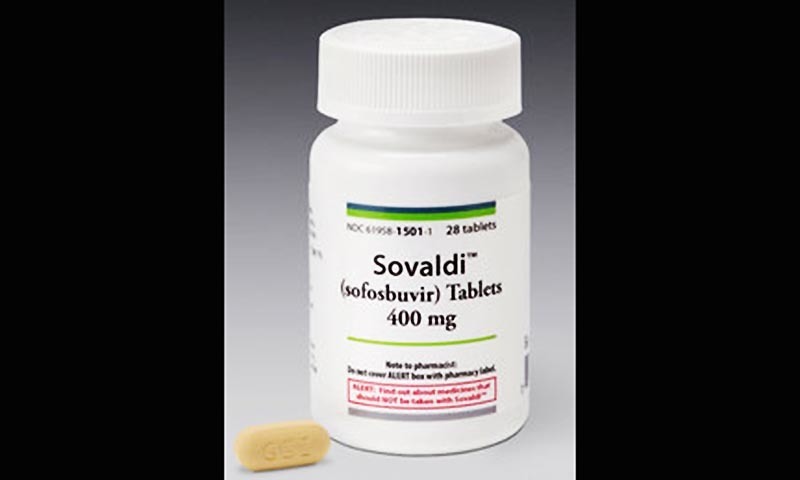
A copy of the new Indian patent office order shows the details of the decision to reverse an earlier direction and grant a patent in India on the high-value hepatitis C drug. [Updated with response from Gilead]
This week, World Intellectual Property Organization members are picking up discussions on a possible treaty to protect broadcasting organisations against signal piracy. Also on the agenda is exceptions and limitations to copyright for certain users. And proposals for two new topics for committee discussion are expected to be considered.
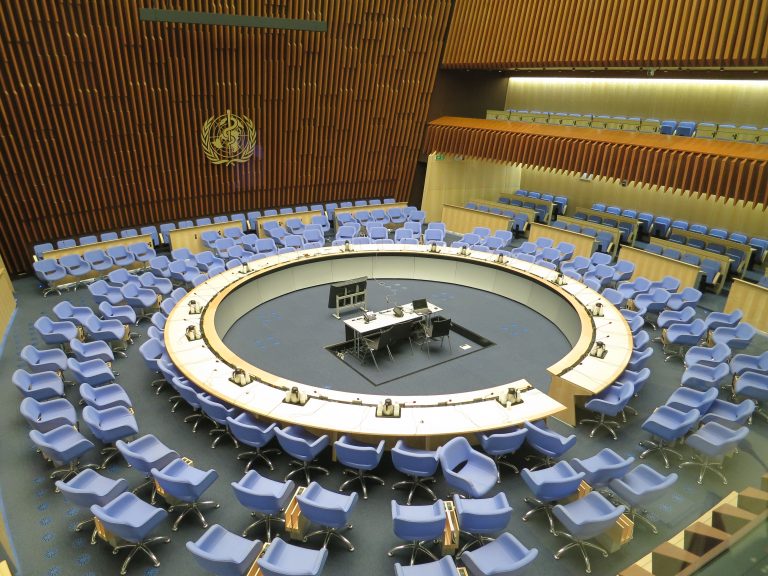
A number of World Health Organization member states attended a meeting last week aimed finding ways to sustainably finance research and development for medical products, especially those for poor populations lacking means to pay high prices. According to the outcome document and a WHO official, they heard many viewpoints from experts and made progress but much was left for the World Health Assembly later this month.
NAIROBI, KENYA -- A recent report by the United Nations Economic Commission for Africa (UNECA) is calling for faster establishment of a Pan-African Intellectual Property Organisation (PAIPO) to bring about what it sees as badly needed IP policy coherence on the continent.

Since the late twentieth-century shift from the liberal university to the neoliberal university (the latter distinguished by the managerial class installed to leverage and extract value from academic research, plus polish the brand of the franchise), the publications’ ecosystem for academics, foremost in the Arts and Humanities, has been altered beyond recognition. Notably, it has exponentially expanded while at the same time suffering maximum constriction in the form of what legal scholars have called the “great copyright robbery” (Bernt Hugenholtz, 2000), writes Gavin Keeney.
Dozens of civil society organisations this week sent a letter urging European telecommunications regulators to preserve internet neutrality in their current negotiations about the future of the internet in Europe.
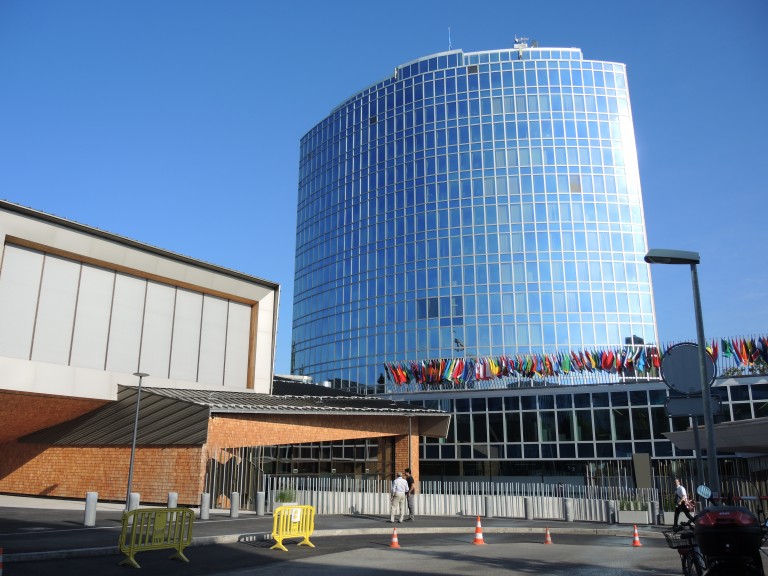
The bipartisan heads of several United States congressional subcommittees have sent a letter urging the Obama administration to obtain the full and uncensored United Nations report on an investigation into possible misconduct by the head of the World Intellectual Property Organization. Meanwhile, procedural wrangling may be taking place within WIPO on who has the right to suppress or see the report.