Category IP Policies

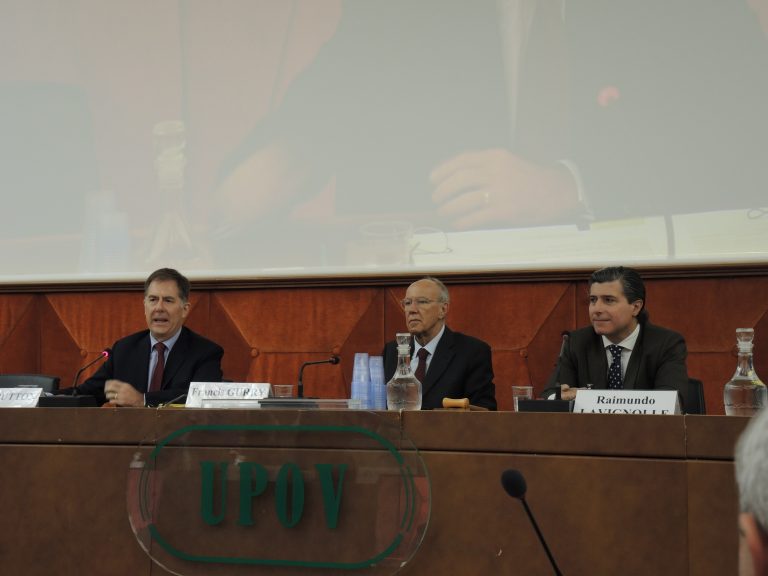
Farm-Saved Seeds Sow Discord; Breeders, Users, Seek Clear Definition At UPOV

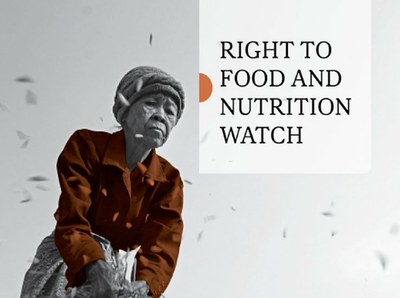
When a harvested material from a protected plant variety, such as seeds, is used for further sowing and cultivating, royalties need to be paid to the breeder of this protected variety. However, according to breeders, farm-saved seeds are sometimes used as an excuse to avoid paying royalties, and clear definitions should be established internationally. Conversely, small farmer associations think that once farmers buy a protected variety, they should be able to re-use those seeds, exchange or sell them.

The International Union for the Protection of New Varieties of Plants (UPOV) organised a Seminar [pdf] on Propagating and Harvested Material in the Context of the UPOV Convention on 24 October.


From Personality To Property: Data Protection Needs Competition & Consumer Protection Law, Conference Says

MUNICH -- Will personal data become a property right licensed to those who give you the best deal for it? Researchers at a conference convened by the Max Planck Institute for Innovation and Competition in Munich delved into a future “holistic approach” of intellectual property, data and consumer protection, with additional assistance from competition law.

Freedom To Utilize Genetic Resources? The Nagoya Protocol Two Years Later

At its second anniversary, the Nagoya Protocol is ushering in an international access and benefit-sharing (ABS) system that may impact the freedom to operate with genetic resources. Those who utilize genetic resources and information should understand the emerging framework and take actions to reduce the risk of patent invalidation, legal liability and reputational harm that may flow from a violation of ABS requirements, writes Bruce S. Manheim.

US High Court Puts Unreasonable Delay On Trial

On its face, the case is a humdrum, procedural dispute about a patentee’s delay in filing an infringement suit. But if the Supreme Court rules the way most experts expect, the decision will significantly enhance the power of patent trolls and others alleging patent infringement, and it will harm many companies doing business in the US – especially companies in the tech sector. Much hangs in the balance on 1 November, when the Supreme Court hears oral arguments in SCA Hygiene Products AG v. First Quality Baby Products, LLC.

Citizens’ Summit Contra CETA: It’s Not Only Wallonia

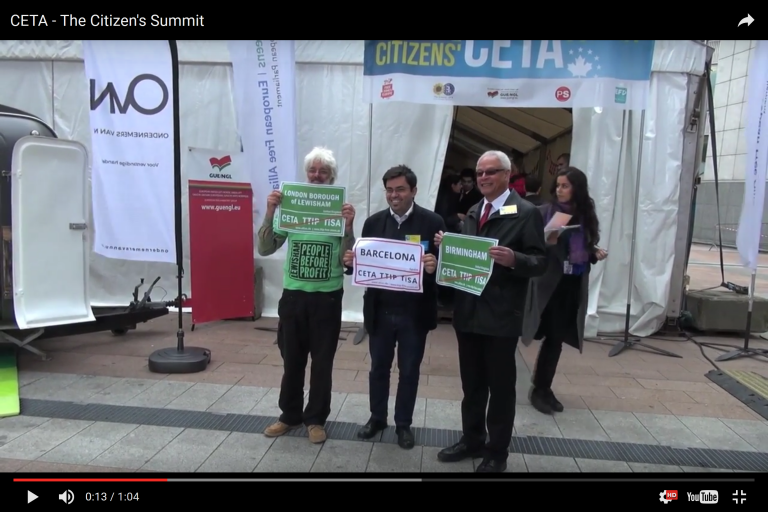
With the vote on the European Union-Canada trade agreement (CETA) on the agenda once more at the upcoming EU Council meeting tomorrow the representatives of European and Canadian cities and regions gathered at Brussels today for a “CETA Citizens' Summit.” Gerardo Pisarello, vice mayor of the city of Barcelona, said that cities like his see CETA as a barrier to their plans to remunicipalize water and energy services and the attempts “to open up public procurement to small companies and cooperatives."

Trump Silence On IP Policy Leaves Rights Owners Baffled

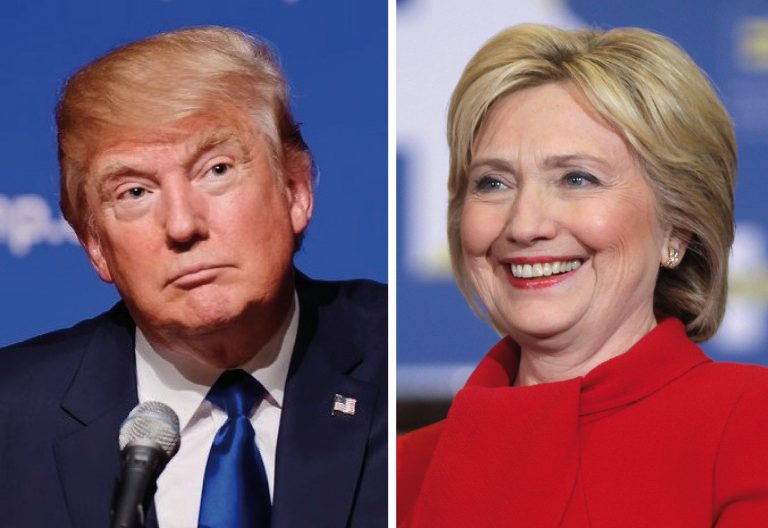
While US Democratic presidential candidate Hillary Clinton has published detailed positions on intellectual property, technology transfer and trade, Republican candidate Donald Trump has limited his comments to trade reform and alleged Chinese IP theft. The policy vacuum has left the IP community not only uncertain of Trump's intentions but unable even to find the right people to ask, one IP attorney said. [Note: story updated with a comment about IP made by Trump]