All General Obligations To Retain Traffic Data Found Illegal Under EU Law
The European Court of Justice in Luxembourg made big news today when it ruled against indiscriminate retention of traffic and localisation data once again.

Original news and analysis on international IP policy
The European Court of Justice in Luxembourg made big news today when it ruled against indiscriminate retention of traffic and localisation data once again.

Few were surprised when, earlier this month, the US Supreme Court agreed to hear the appeal in Impression Products, Inc. v. Lexmark International. The case presents two important patent law issues, and the lower court’s ruling on these issues conflicts with Supreme Court precedents, according to many experts.
Not all parts of the European Union-Singapore trade agreement "fall within the EU’s exclusive competence and therefore the agreement cannot be concluded without the participation of all of the Member States." This is the result of an opinion of the European Court of Justice Advocate General Eleanor Sharpston published today.

A major shift is underway in Washington that is expected to have ramifications for global trade, innovation, and intellectual property enforcement, as Donald Trump steps into the United States presidency. IP-Watch caught up with Rob Atkinson, president of the Information Technology & Innovation Foundation to get his view on what's to come. Among the predictions: the Washington Consensus on trade gets turned on its head, enforcement will rise including at multilateral level, the US will have many new ideas but iPhones will not be made in the US, and a much-needed "reset" of the US policy on China will bring greater mutual respect - if done right.

Blockchain platforms could help solve some copyright ownership issues for content sharing. But whether the technology lives up to its promise remains to be seen.
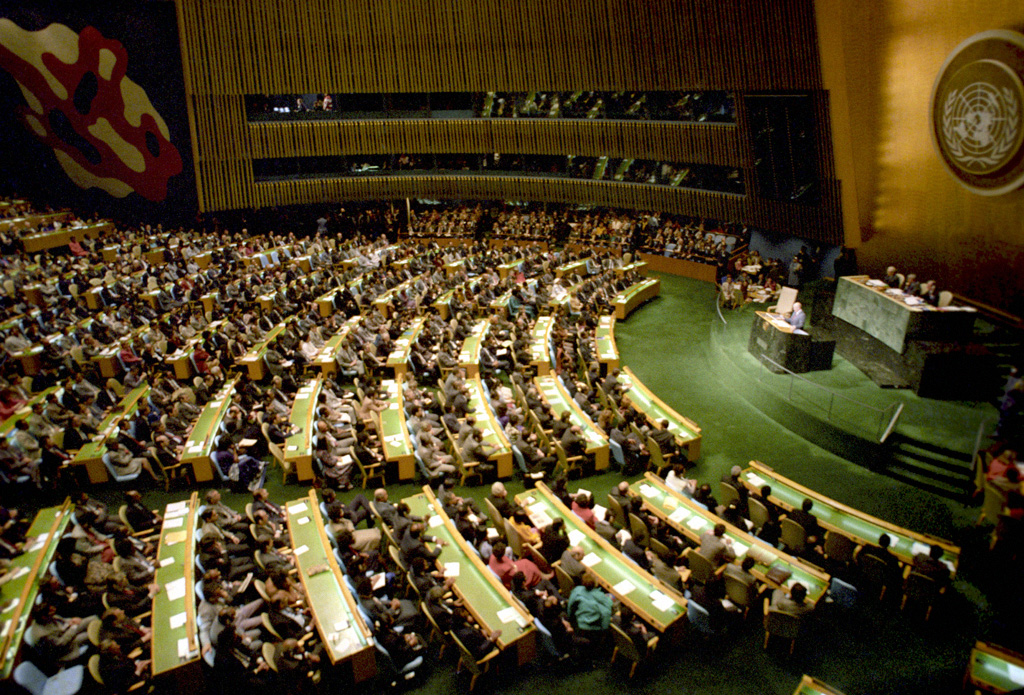
The United Nations General Assembly this month is considering a resolution committing to elevate health issues to the highest levels of foreign policy. The resolution includes references and commitments related to dozens of existing instruments and tools aimed at improving health, including a full range of those on access to medicines, such as patent flexibilities under trade rules, and the recent report of the UN Secretary-General’s High-Level Panel on access to medicines and innovation.
After licensing negotiations between German university libraries and Elsevier failed at the beginning of the month, over 60 university libraries in Germany are preparing to be cut off from hundreds of journals of the British-Dutch publisher, after a standoff over pricing and access.
The United States Copyright Office has released a study that finds that existing copyright laws are sufficient to cover issues arising over software embedded in everyday consumer products. But it does call for some flexibility for consumers to tinker with their devices.

The Executive Board of UNITAID yesterday adopted a resolution on the use of the intellectual property flexibilities enshrined in the global trading system allowing developing countries to facilitate access to affordable medicines.
BANGKOK – Countries in Southeast Asia have launched a 10-year action plan to strengthen their intellectual property rights cooperation, with the European Union and the World Intellectual Property Organization providing financial and technical assistance in helping the countries to achieve their goals.
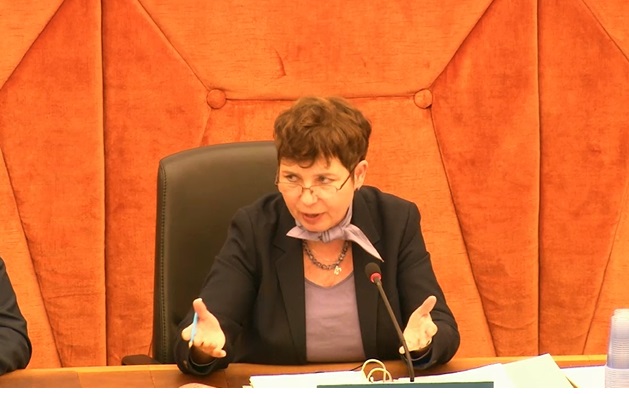
After a day spent in informal meetings to try to agree on what should be the future work of the World Intellectual Property Organization patent law committee, delegates had to admit defeat. The main point of contention, according to sources, was the request by developing countries that the committee work on the issue of patents and access to medicines, and address the recommendations of the United Nations Secretary-General’s High Level Panel on Access to Medicines. This request was met by blunt refusal by some developed countries as beyond the realm of the work of the committee.
A new study by intellectual property trade associations analysed the correlation between trademarks and their economic impact on several Latin American countries. The study found that trademark registration is growing in the region and promotes economic growth.