Category IP Policies

Nagoya Protocol Implications For Health, Flu Genetic Data On WHO Board Agenda

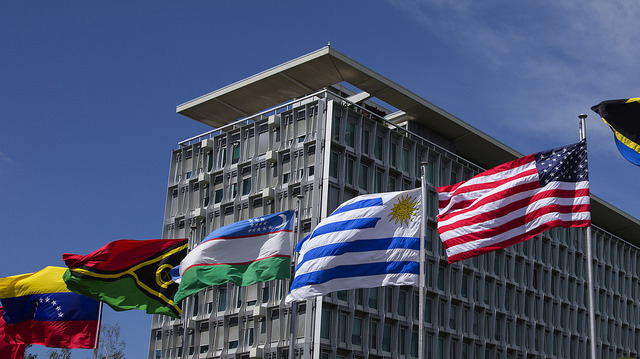
The World Health Organization recently published its analysis about the public health implications of the Nagoya Protocol on genetic resources access and benefit-sharing, and in particular how it affects the sharing of pathogens, like influenza viruses. The findings are set to be discussed at this month’s WHO Executive Board meeting. Also to be discussed is an experts group review of the WHO pandemic influenza framework, and in particular its conclusion that the framework should be amended to match scientific progress.

EU Study Recommends FRAND Clarification, More Coordination On 5G

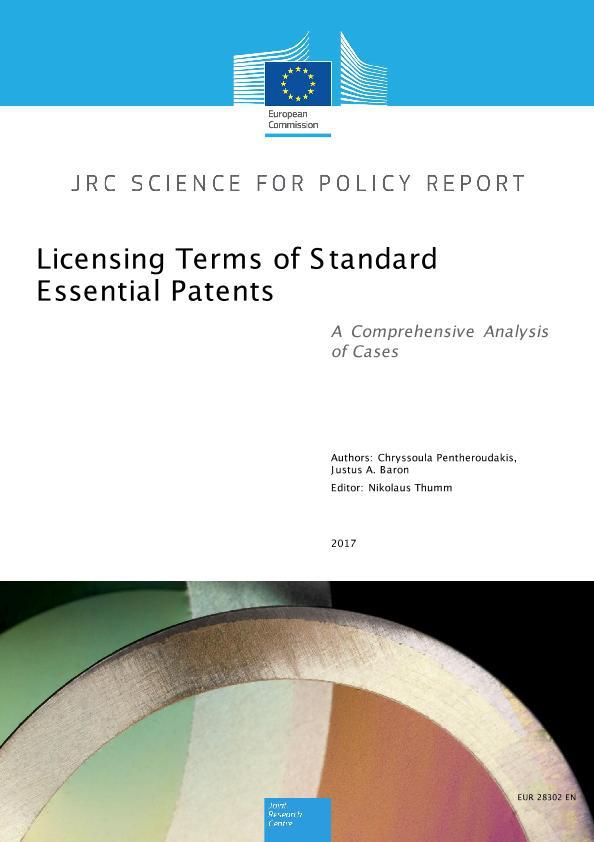
The rapid development of information and communication technologies, and the need for greater interconnectivity driven by the Internet of Things has created a variety of standard-essential patent (SEP) owners and implementers with different business models, and for more diverse licensing practices, the European Commission Joint Research Centre says in a new study. This has made it harder to agree on an interpretation of FRAND licensing principles, something European policymakers must clarify in order to meet key digital single market and other goals, it says.

ARIPO Lines Up IP Enhancing Activities For 2017

CAPE TOWN, South Africa – From establishing training schemes, exchange expertise, sharing research, and helping members acquire and develop technology related to intellectual property and shape copyright associated rights, the African Regional Intellectual Property Organization (ARIPO) has set targets for implementation in 2017.

Research Groups Seek Stronger Protections In EU Copyright Reform Proposal

European lawmakers should boost protections for researchers and educators in the European Commission proposal for a directive on copyright in the digital single market, five research organisations said today. Among other things, lawmakers and policymakers must rethink the provisions on text and data mining as well as the exception for use of works in digital and cross-border teaching, they said.