Category IP Policies

Year Ahead: A Rather Speculative Year In Global Trade

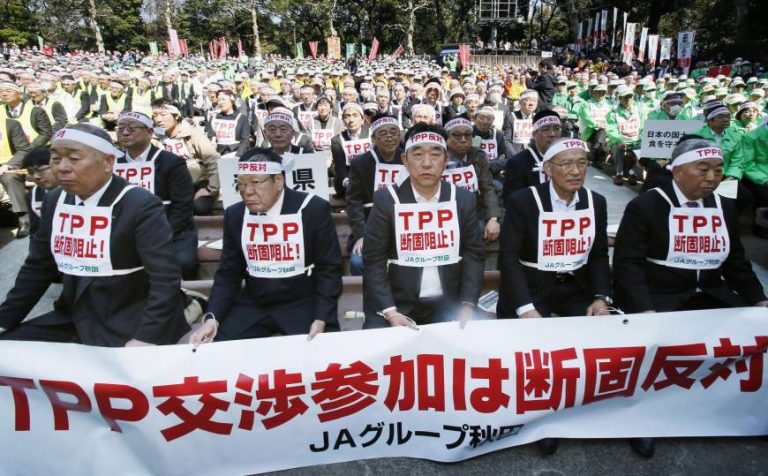
An interesting year lies ahead for trade policymakers. With US President Donald Trump sticking to his “America First” announcement pulling back from the Trans-Pacific Partnership right away, a new trade (world) order might be in the making. In every crisis, there is opportunity, Argentinian Trade Minister Susana Malcora said in Davos during the January World Economic Forum (WEF) where the business elite otherwise traded concerns at the beginning of an unpredictable year 2017.

EU Adoption Of Marrakesh Treaty For Blind Readers Imminent After Years Of Delay?

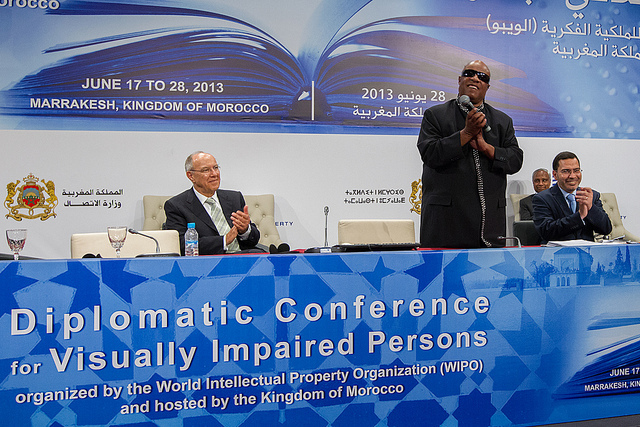
The European Parliament Legal Committee this week did not bother to further discuss the ratification of the Marrakesh Treaty on copyright exceptions for print disabled persons. Instead, Rapporteur Max Andersson declared that he favoured putting the file to a vote right away. Andersson told Intellectual Property Watch that the parliament would adopt the report in March or latest April.

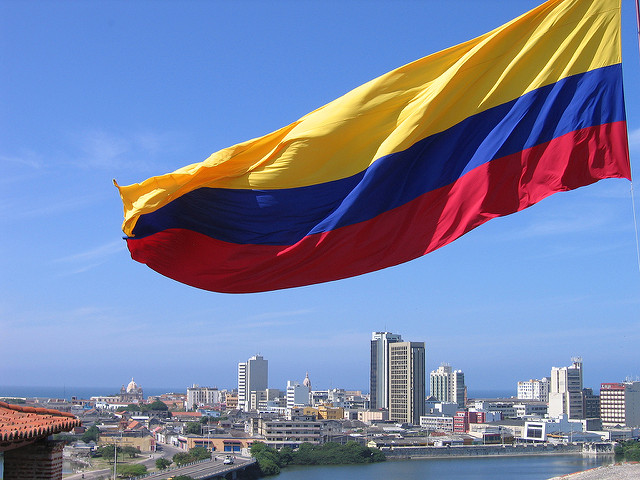
A Case For Trade Enforcement: Colombia And Intellectual Property

President Trump and members of his administration have rightly talked about the need to be tougher on trade enforcement, including promising to take a closer look at existing trade agreements to see whether they should be revoked, renegotiated, or more strictly enforced. A candidate ripe for review is Colombia, and in particular, its ongoing failure to implement intellectual property provisions under the U.S. Colombia Trade Promotion Agreement (TPA), Nigel Corey writes.

Cancer Resolution Not Agreed Yet At WHO; Work Needed On IP Issues

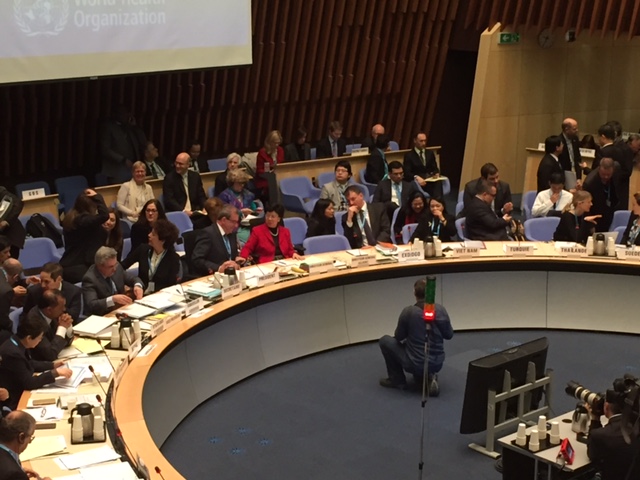
World Health Organisation members tried to agree on a draft resolution on cancer during the WHO Executive Board but consensus escaped them, in particular on intellectual property issues, according to sources. The text is expected to be discussed informally with a view to reaching common language on the remaining issues by the annual World Health Assembly in May.

Gates Foundation, KEI Enter Into Official Relations With WHO

The World Health Organization Executive Board ended its meeting one day early today, and agreed to have five new institutions to enter into official relation with the organisation, including the Bill and Melinda Gates Foundation, despite protests from civil society groups, and Knowledge Ecology International, led by activist firebrand Jamie Love. Meanwhile, the WHO is pursuing the implementation of its framework of engagement with non-governmental actors adopted in 2016. WHO members urged the organisation to speedily provide implementation tools such as a register of all such actors. The WHO said all is on track and is expected to be ready by the next World Health Assembly.

WHO-Led Efforts To Boost R&D In Neglected Diseases Jeopardised By Funding Gap

Finding resources to fund research and development for diseases primarily affecting developing and least-developed countries is a continuous challenge. Hopes were raised in 2015 with projects to launch a Global Observatory on Health Research and Development, and a voluntary pooled fund for research and development projects. However, the lack of funding is jeopardizing those initiatives despite some contributions by developed and middle-income countries.

WHO Members Negotiate Resolution On Cancer; High Prices In Question

Cancer is spreading. According to the World Health Organization, the number of new cases of cancer is projected to increase to 21.6 million annually by 2030. The WHO Executive Board this week is considering a draft resolution for actions by the WHO member states and the secretariat. The resolution is being discussed and amended as issues such as the affordability and the accessibility of new cancer medicines, in particular in developing countries, are highlighted by many.