Category IP Policies

WIPO Broadcasting Treaty: What Broadcasters Really Want To Protect Their Business From Piracy

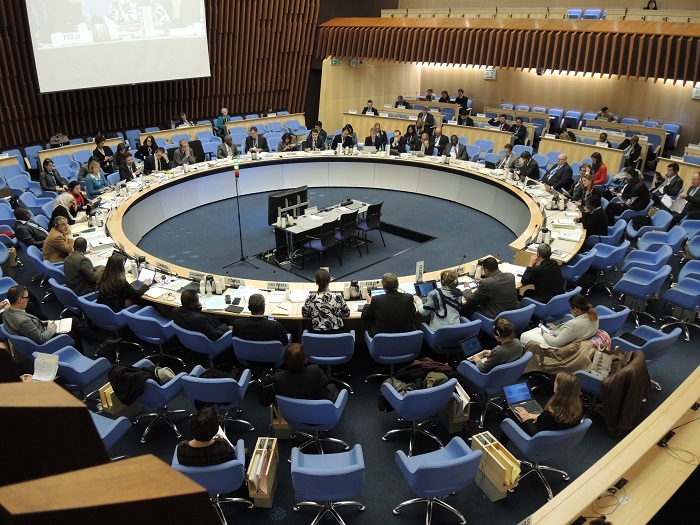
In discussion for close to 16 years at the World Intellectual Property Organization, a treaty aimed at protecting broadcasting organisations’ intellectual property rights has not reached conclusion. Intellectual Property Watch sat down recently with the European Broadcasting Union to understand what broadcasters actually say they need to protect their businesses against piracy. As to what they see hindering the technical resolution of the treaty? Politics.

US Chamber International IP Index: US, Europe At Top; India Needs A Push

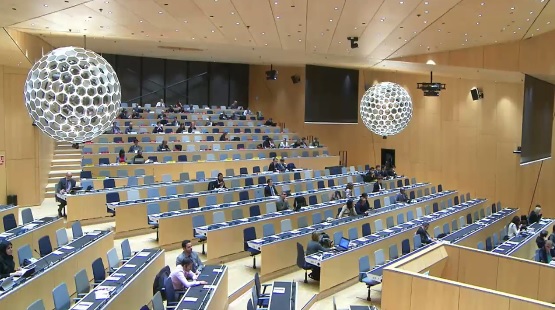
The United States Chamber of Commerce today released its fifth annual International IP Index, which makes the case for the positive impact of intellectual property on economies. The United States scored highest, followed by top European economies and Japan. And near the bottom was India, despite recent efforts to accept the IP system. Separately, the report assesses international trade rules for IP and argues for nations to negotiate "TRIPS-plus" agreements.

Potential Treaty To Protect Broadcasters’ IP Rights: Technicalities Explained

Negotiations for a treaty providing protections for broadcasting organisations have been long and difficult at the World Intellectual Property Organization. In the corridors of WIPO, questions to a number of delegates are often answered with a puzzled look and what seems to be little understanding of technical issues. Intellectual Property Watch recently tried to untangle some of the technicalities of the discussions.

Government-Financed R&D Declining; Private Sector, Tax Incentives Rise, OECD Finds

A new set of science and technology indicators shows that the business sector is expected to remain the driving force behind research and development growth, according to the Organisation for Economic Co-operation and Development (OECD). The OECD released its main science and technology indicators today and found that government-financed research and development expenditures have been declining for some years.

Confidential Draft Of WHO Cancer Resolution Shows Remaining Issues IP-Related

The latest version of a draft resolution on addressing the global rise of cancer negotiated last week at the World Health Organization shows that remaining points are intellectual property-related, but there seems to be agreement on referencing trade flexibilities in the text, even from the United States, and a common goal of lowering prices of treatment. WHO members tried to reach common language during the Executive Board in January but time ran out and discussions are expected to continue until the annual World Health Assembly in May.

The New Caribbean Patent Convention And Caricom Stasis

Abiola Inniss writes: The creation of the Caribbean Patent Convention under the auspices of Caricom is a long awaited and most welcome development towards the harmonization of intellectual property laws in the region. Even more importantly, it is an indication that Caricom leadership has at long last, after a lengthy period of stagnation and indeterminacy, finally decided to engage the process of thought and action necessary for the promulgation of a legal and regulatory framework for Caribbean intellectual property. The convention is expected to be enacted later in 2017.

Report Puts Value Of Counterfeit/Pirated Goods At US$2 Trillion By 2022

A new report by the International Chamber of Commerce (ICC) and the International Trademark Association (INTA) estimates that some US$213 billion was lost to digital piracy in movies, music and software in 2015. The report also projects that by 2022, the total value of counterfeit and pirated goods in the world will reach somewhere between US$1.9 to 2.8 trillion.

Quest For US Termination Of Copyright Made Uncertain By UK Duran Duran Judgment

Efforts to reclaim rights under the US Copyright Act have increased recently as the window of opportunity for works created in the mid-20th century opens. In comparative cases, Paul McCartney's decision to take back copyright assignments of his music in the United States appears to have been the right choice but may hang on a questionable UK ruling denying the same request by members of rock group Duran Duran, several intellectual property lawyers said.

No Shorter Floor Statements Nor Cap On Agenda Items, Says WHO Board

Despite being in a time of tight budgets, the World Health Organization Executive Board meeting which ended this week had its heaviest agenda ever, according WHO Director General Margaret Chan, adding to staff workload and expenses. But the Board finished its work a day early (though after holding three evening sessions), earning praise from Chan. Efforts during the week to make meetings more efficient by limiting agenda items and reducing time allowed for statements fell short. Separately, concerns arose over a leadership advisory group to the WHO director general.