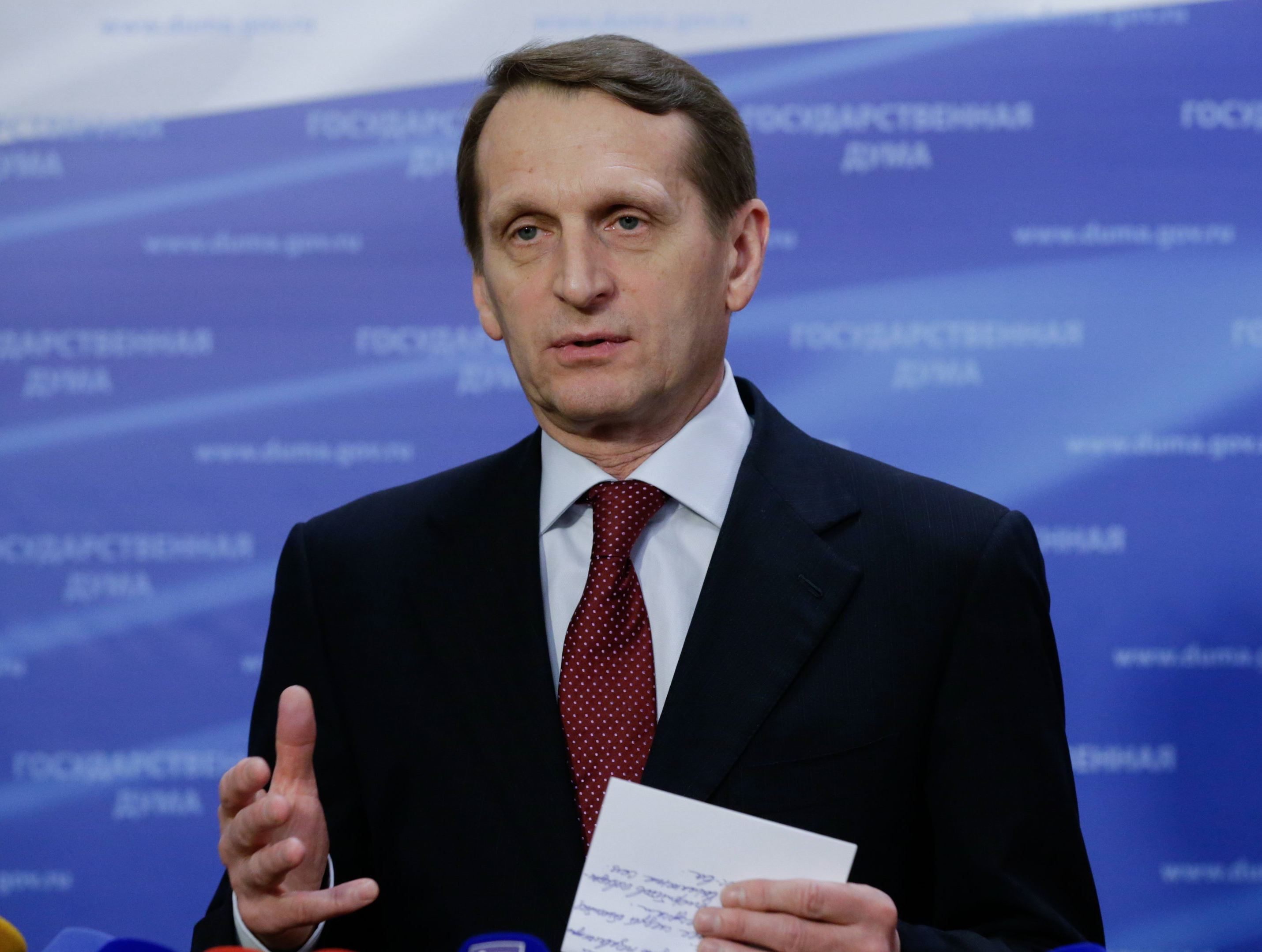
Russian Parliament May Suspend Reform Of IP System
The ongoing reform of the Russian system of intellectual property may be suspended, due to recent criticism of some of its aspects by the Russian Parliament (State Duma).

Original news and analysis on international IP policy
The ongoing reform of the Russian system of intellectual property may be suspended, due to recent criticism of some of its aspects by the Russian Parliament (State Duma).
The United States Copyright Office has issued a draft strategic plan for 2016-2020, with a 30-day comment period. The draft strategic plan is available here. The United States Copyright Office “supports a vibrant marketplace of creativity and innovation that, in…
Governments and international organizations are failing to ensure adequate protections to whistleblowers and sources of information, according to a new report* by the UN special rapporteur on freedom of expression, David Kaye.
On 15-16 December 2015, government officials from more than 190 countries will meet in New York to discuss the future of the internet. They will review progress made in achieving the goals set forth 10 years ago at the Tunis World Summit on the Information Society (WSIS) meeting. The aptly named WSIS+10 Review is a pivotal point in determining the fate of the open internet – discussions at the review can influence how the internet is governed for the next decade, as well as whether the internet will continue as a means of economic development and opportunity for the global economy.
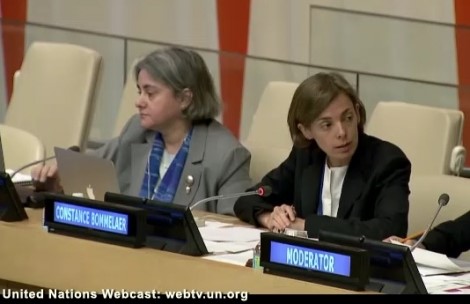
Alongside this week’s WSIS+10 stakeholder meetings at the UN, Intellectual Property Watch’s William New sat down with the Senior Director of Global Internet Policy at the Internet Society, Constance Bommelaer, to discuss what to expect in New York and the impact this meeting will have on the future of the internet.

International trade agreements are sometimes demonised as the Grand Plan imposed by major powers in cahoots with multinational corporations. Intellectual property rights is a particular target, as is the case currently with the Trans-Pacific Partnership (TPP), and previously with the World Trade Organization’s Agreement on Trade-Related Aspects of Intellectual Property Rights (TRIPS). "The Making of the TRIPS Agreement", the insightful, unofficial collected memoirs of 17 of the agreement’s key authors, plus one editor, challenges that view in two ways, writes Peter Ungphakorn.
The Center for International Intellectual Property Studies (CEIPI) of the University of Strasbourg welcomes the Vice-President of the European Commission in charge of the Digital Single Market, Andrus Ansip, for a conference-debate on the topic of the future copyright reform in the EU: “Is copyright in the EU fit for the 21st century?”.
The Trans-Pacific Partnership (TPP) Agreement contains an important provision concerning achieving balance in the copyright systems of the twelve countries party to that free trade agreement. This provision was not present in the early draft of the agreement. Then, in…
From infojustice.org: Judge Pierre Leval’s opinion [on 16 October] in the Google Books case offers another fascinating glimpse into the richness of his thinking about the concept of fair use. Although the outcome in Google Books (Google wins, duh) was obvious to anyone whose paycheck didn’t depend on their believing otherwise, the discussion that gets us there sheds light on a host of hot fair use topics in ways that courts and copyright wonks will be citing and unpacking for years to come.

Panellists at a recent discussion on women and intellectual property proposed steps institutions and women themselves could take to increase the number of female entrepreneurs, in order for the IP system to benefit men and women equally.
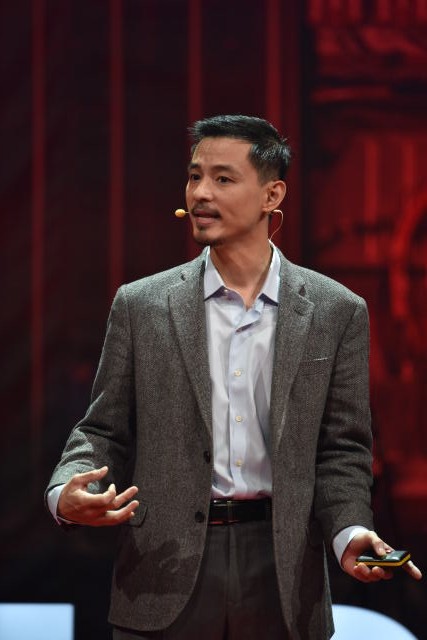
At the recent TEDx CERN event, Intellectual Property Watch caught up with bioethicist and legal philosopher Matthew Liao, to reflect on challenging moral questions raised by new advances in computing and neuroscience allowing for the manipulation of human thoughts and memories. Liao reflected on whether we should use drugs and technology to erase traumatic memories, and if individuals have a moral obligation to themselves to remember certain events.

Speakers from the fields of academia, arts and science brought their visions of a new world and the role the next generation must play in shaping it to the audience of TEDx CERN on 9 October. The visionary speakers break the boundaries of academic research to propose innovative solutions for the future that take into account today’s limitations.
Amidst rising voices that time is of essence to finalise the oversight transition for core internet functions from the United States government to the community of the Internet Corporation for Assigned Names and Numbers (ICANN), governments are divided over what their role should be.