Category Copyright Policy

Committee Recommends ‘High Priority’ Changes To WIPO Oversight Charter

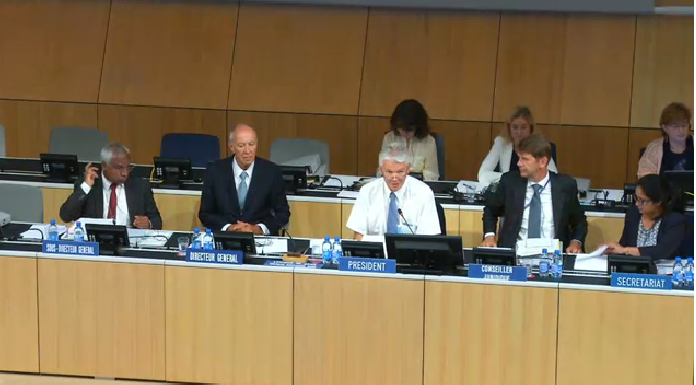
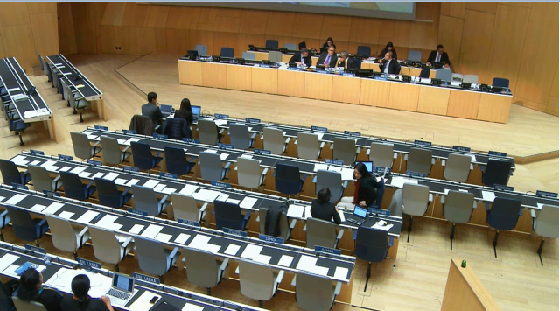
The World Intellectual Property Organization Program and Budget Committee (PBC) this week agreed to recommend changes to the UN agency’s Internal Oversight Charter as a high priority by next month, including to strengthen investigatory processes against senior officials, and access to confidential documents by member states. In a separate issue, after days of intensive talks behind closed doors, the committee could not agree on which countries will get new WIPO external offices. [Update: decision document added]

US Industry Warns Of Restrictive Policies In ICTs, Including On IP Rights

“Serious concerns” have been raised by the United States Chamber of Commerce that policy measures increasingly restrict investment in the information and communications technology (ICT) sector, following its comprehensive examination of ICT laws and policies around the world. Intellectual property rights are among the areas the Chamber says are being targeted.

Industry’s Proposed Changes To Draft TPP Were Not Protected Under National Security Exemption, US Judge Says

Changes to the draft text of the Trans-Pacific Partnership agreement (TPP) suggested during negotiation of the treaty are not protected under the national security clause of the US Freedom of Information Act (FOIA), a judge ruled yesterday in a rare rejection. But he also defended USTR’s protection of information on the basis that other countries in TPP might accuse the US of “steamrolling” them if US textual proposals from the negotiations were revealed.

Committee Agrees WIPO Strategic Plan To 2021: Possible Rethink For Policymaking

Anticipating a degree of uncertainty ahead for the global economy and intellectual property system, the World Intellectual Property Organization in a new six-year strategic plan looks at likely future policy debates, a focus on infrastructure and training, and possible ways to bring about better negotiations at the UN agency.

New Offices, Strategic Plan, GIs, Oversight Among Focus Of WIPO Committee

The choice of hosting countries for new WIPO external offices and the Medium Term Strategic Plan 2016-2021 are among the hottest subjects of the week, according to several regional groups speaking at the opening today of the World Intellectual Property Organization Program and Budget Committee. Separately, the United States again called the attention to a 2015 treaty protecting geographical indications which they said should not be automatically administered by WIPO. And members called attention to audit and oversight issues.

WIPO Human Resources: All Is Harmony, Secretariat Says

The World Intellectual Property Organization’s human resources issues have been far from harmonious over the past decade, but this year’s secretariat report paints a picture in glowing language of a new culture with happy, well-trained staff after years of “change management.” And to member governments concerned about remaining challenges? No problem, just leave that to us, WIPO says.

WIPO External Offices In High Demand As 18 Countries Offer Hosting

Hosting a regional or national office of the UN World Intellectual Property Organization seems to be a high prize for WIPO members, 18 of which have submitted hosting proposals to be considered at the WIPO Program and Budget Committee next week. Most of those 18 countries are developing nations and all sought to demonstrate their commitment to intellectual property rights and IPR protection, with some underlining the importance of considering level of development. According to regional press reports, Algeria and Nigeria have been selected by the African region to host the two African external offices.

Review Of WIPO Development Agenda Implementation: Good Progress But Expectations Unfulfilled

A group of independent reviewers has found definite progress on implementing the landmark 2007 Development Agenda Recommendations at the World Intellectual Property Organization. But the UN agency needs to elevate the debate, tie in with UN development agencies, create reporting mechanisms, make projects more compatible with local development levels, and detail use of financial and human resources, the reviewers found.

New US Government Source Code Policy Could Provide Model For Europe

The United States government this month published its new federal source code policy to allow government-wide access to custom source code developed by or for any agency of the federal government. The policy, which aims to reduce duplication, avoid technology “lock-in,” and tap the best minds in or outside government, has caught the attention of free software developers in Europe who are hoping to use it as a basis for change there too.