Category Copyright Policy

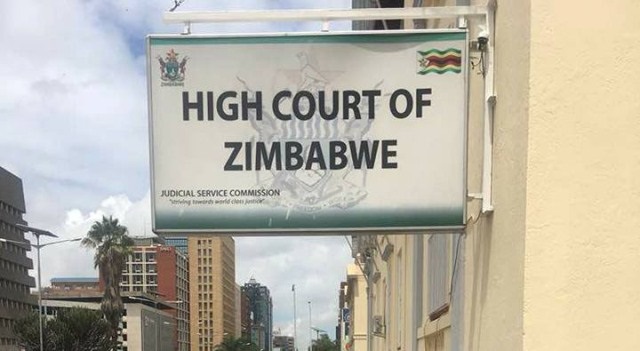
Zimbabwe Establishes An Intellectual Property Tribunal, As A Special Division Of High Court

KAMPALA, Uganda -- In what is seen as a significant achievement in the making of history of intellectual property law, the Government of Zimbabwe has instituted and operationalised an Intellectual Property Tribunal, with the mandate to speedily preside over all IP matters, disputes, infringements, passing off and other related issues. The Tribunal recently heard its first case. [A reminder to readers: All IP-Watch stories are totally free for least-developed countries and almost all developing countries. Just sign up for a password under Subscribe.]

US NTIA Boss On Whois Debate: ‘Keep Data Open For IP Rightsholders, Others’

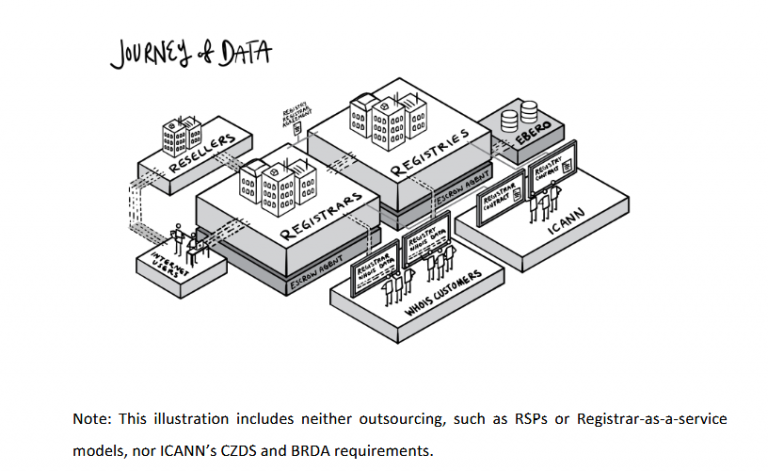
US Assistant Secretary of Commerce for Communications and Information David Redl today weighed in on the debate over changes to the storage and public display of personal information of domain name registrants at the meeting of the Internet Corporation for Assigned Names and Numbers (ICANN) in San Juan, Puerto Rico. Redl urged negotiators to keep the so-called Whois database, described by some as a public phone book for the owners of domain names, as open as possible while implementing the new General Data Protection Regulation (GDPR) of the European Union.

EU Council’s IP Enforcement Changes: Judicial Systems, Customs, Open Source, WIPO – And An IP Watchlist

The European Council of ministers today adopted a set of conclusions on the enforcement of intellectual property rights in the European Union, aimed at improving protection in the digital era and promoting innovation. This includes a list of suggested actions, including possible changes to national laws and judicial systems, bolstering customs, agreements with industry, encouraging open source, strong representation at the World Intellectual Property Organization, and possibly setting up an IP watch list reminiscent of the one in the United States.

Fight Ahead Over Website Owner Data At ICANN Meeting This Week

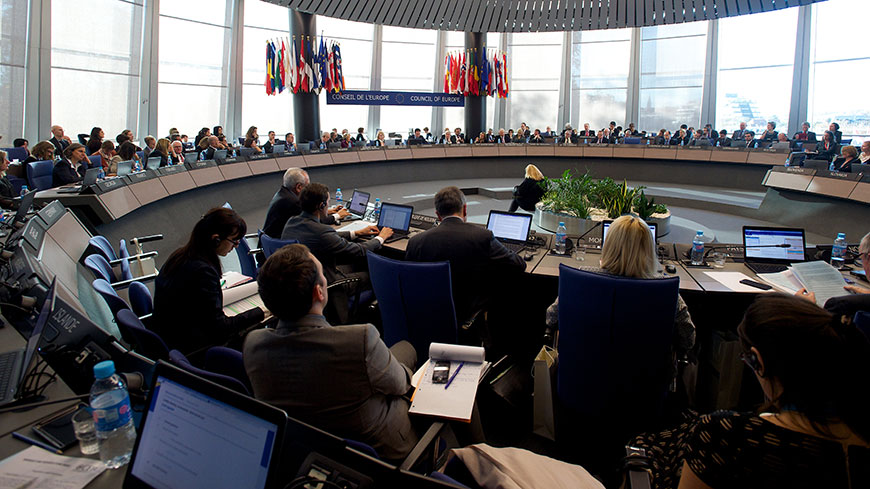
Some of the data collection practices of the Internet Corporation for Assigned Names and Numbers (ICANN), private overseer over the domain name industry, “appear to be excessive, disproportionate, and obtained without the free consent of the individual,” the International Working Group on Data Protection in Telecommunications (IWGDPT) wrote in a paper published on the eve of the 61st ICANN meeting in San Juan, Puerto Rico (9-15 March). During the meeting, controversial discussions about ICANN's just-published interim model for compliance with the European Union General Data Protection Regulation (GDPR) can be expected after ICANN published a “cookbook” for GDPR compliance.

New TPP Still Most Advanced IP Trade Agreement Ever, Think Tank Says

The Comprehensive and Progressive Agreement for Trans-Pacific Partnership (CPTPP) is on track to offer "the most advanced and detailed standards on intellectual property in a trade agreement to date" despite revisions scaling back the IP chapter after the United States dropped out, says the Washington, DC-based Center for Strategic and International Studies (CSIS).

What We Know – And What We Don’t – About Counterfeit Goods And Small Parcels

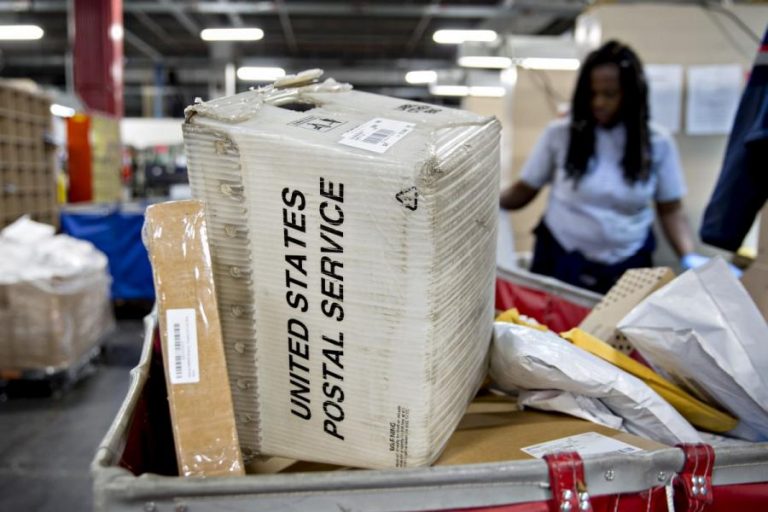
Kasie Brill writes: Cross-border e-commerce is growing exponentially. Consumers can purchase products from all over the world and have them delivered straight to their doors with just the click of a button. In fact, the U.S. Postal Service’s (USPS) international small parcel business increased 232% from 2013 to 2017, when it received nearly half a billion packages.

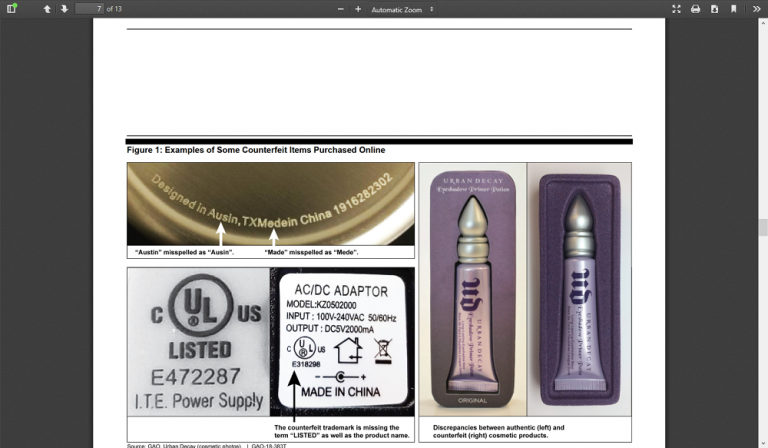
Out of those half a billion packages, USPS only had critical safety information on 36% of them. In other words, millions of packages reached American consumers with little or no security screening at all. Though most of these packages contained exactly what the customer ordered, counterfeiters have discovered that small parcels are an easy means to distribute fake and often dangerous goods.

Fair Use/Fair Dealing Week 2018 Highlights Balance In The Copyright System

The fifth annual Fair Use/Fair Dealing Week took place February 26–March 2, 2018, growing to 153 participating organizations—as well as numerous individuals—celebrating the important and flexible doctrines of fair use and fair dealing worldwide. This year’s event was organized by the Association of Research Libraries (ARL) and participants included universities, libraries, library associations, and many other organizations, such as Authors Alliance, the Center for Democracy & Technology, the Electronic Frontier Foundation, the R Street Institute, and Re:Create. Sixty ARL member institutions contributed a wide range of resources this year. Fair Use/Fair Dealing Week was observed around the globe by participants in such countries as Australia, Canada, Colombia, Greece, and the United States.

UN Rapporteur For Privacy Rebuffed On Surveillance Oversight Negotiations

The United States, China and the European Union were unanimous yesterday in their rejection of international consultations for a possible legal instrument on government-led surveillance and privacy. During the 19th meeting of the 37th session of the UN Human Rights Council in Geneva, they called a possible legal instrument against uncontrolled cross-border surveillance proposed by the UN Special Rapporteur on Privacy, Joseph Cannataci, “unnecessary.” But Cannataci responded that the problems cannot be ignored.