Category Copyright Policy

Indigenous Peoples Seek Involvement In WTO To Defend Rights (Video)

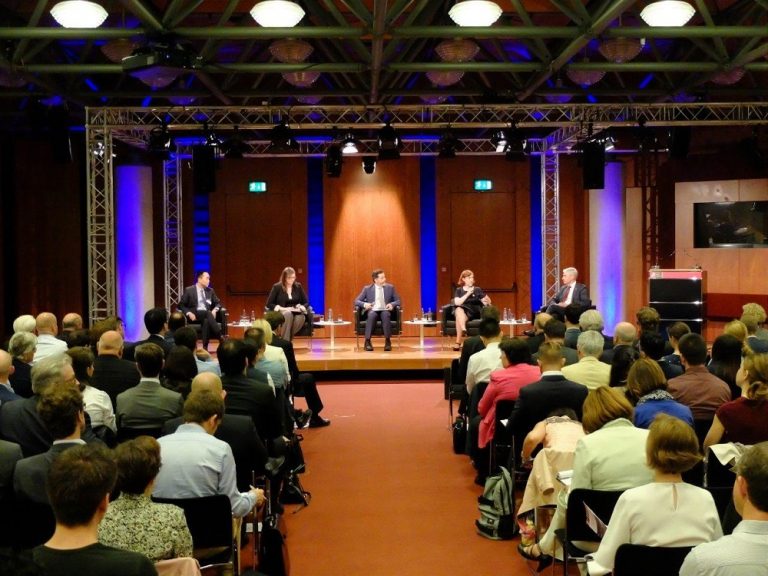
Indigenous peoples are losing their genetic resources and traditional knowledge and need to be involved in negotiations on World Trade Organization intellectual property rules and the UN Convention on Biological Diversity, representatives told a conference on the subject last week. In a podcast and video interview with Intellectual Property Watch below, the indigenous representatives explain their case.

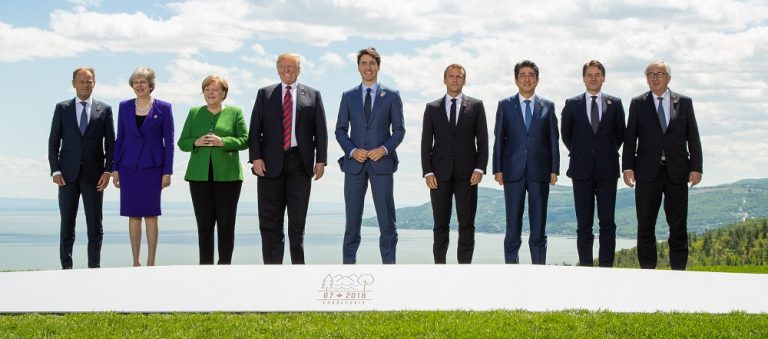
IP, AI, Health Commitments Mere Footnotes In Quarrel Between G6 And Trump?

Leaders at the G7 Summit tried to mitigate tensions by taking on some US favourites in their final communiqué like “forced technology transfers,” a topic brought up only recently by the United States at the World Trade Organisation. Forced technology transfers, according to US diplomats, are licensing and administrative rules entertained by China to oblige foreign firms to share technology in exchange for gaining access to the Chinese market. They also had sought to agree on a vision for artificial intelligence, a range of health issues, and foreign cyber interference with elections.

TRIPS Council Debates IP Improving Lives, Competition Law To Increase Medicines Access

Whether intellectual property rights are improving lives or whether they should be reined in by tools such as competition law to increase access to medicine, education, and innovation, was debated this week at the World Trade Organization committee on intellectual property. Also on the agenda was a suggestion by least-developed countries to create incentives for developed country companies and institutions to transfer technologies for the benefit of the poorest countries.

In Defense Of Fair Use

Copyright law, to be sustainable, calls for a balance. Under copyright law, creators receive exclusive rights to allow or prevent others from making copies of their works for a limited time as an incentive to create. Users receive benefits from the results of the creator’s labor, perhaps through watching, reading or listening to those results. Users may also benefit pursuant to a license to use the works in other ways. Eventually the works fall into the public domain, allowing further reuse by everyone. Recent litigation involving a graffiti artist and a purveyor of sportswear shows how sometimes a flexible mechanism for balancing the copyright entitlements of creators and users makes sense, writes Roy Kaufman.

Civil Society Issues Call For Action On Draft WIPO Copyright Exceptions

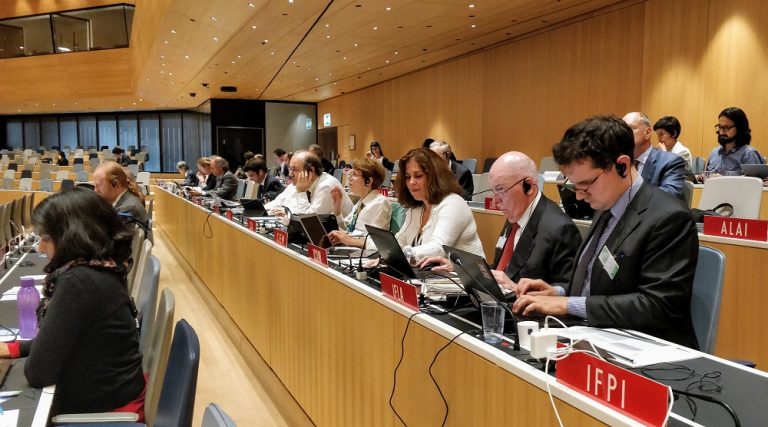
This week the World Intellectual Property Organization copyright committee is looking at exceptions and limitations to copyright. A range of stakeholders with opposing views delivered long statements explaining their positions. Some proponents of mandatory international limitations and exceptions for certain actors cited the United Nations Sustainable Development Goals inscribing equitable quality education as a right. Others, like publishers’ associations, said the current international system provides ample possibilities to devise national exceptions and limitations.

Draft Broadcast Treaty Takes Restrictive Approach To Limitations And Exceptions

Sean Flynn writes: At this week’s meeting of the World Intellectual Property Organization Standing Committee on Copyright and Related Rights, there was renewed attention to the limitations and exceptions provisions of a proposed treaty for broadcast organizations. Unfortunately, the result of that attention was to make the current draft more restrictive for the adoption of exceptions than prior drafts, and more restrictive than are present copyright treaties or the than the Rome Convention the broadcast treaty seeks to update.

Broadcasting Treaty Moving At WIPO, Copyright Exceptions For Libraries Not

Positive momentum seems to have been found on a potential global treaty to protect broadcasting organisations as delegates moved towards convergence on some language this week at the World Intellectual Property Organization. Meanwhile, copyright exceptions for actors like libraries and research institutions is meeting the same strong opposition from some, and informal consultations and studies are being set out by the committee chair over the next 18 months, over concerns of delay.