Category Copyright Policy

This is a description

USTR’s Investigations On IP Rights Against India: Is There A Tenable Case?

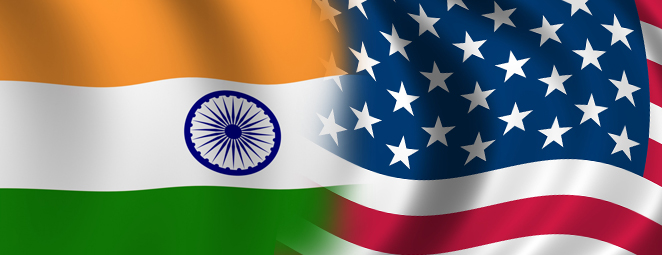
On 14 October, the US Trade Representative (USTR) began the out-of-cycle review (OCR) of India’s intellectual property (IP) laws, the mandate which it gave itself in the 2014 Special 301 Report. Like several years in the past, the USTR once again included India in the Priority Watch List, but this time, India’s IP laws are being subjected to the additional scrutiny through an OCR. It is to be seen whether the OCR sets the stage for naming India as a Priority Foreign Country, viewed by the USTR as worst offender of intellectual property rights, in the next Special 301 report. USTR’s inclusion of India for the OCR was a reflection of the influence that the domestic lobbies have on the country’s engagement with its partner countries, and about USTR's consistency with World Trade Organization rules, writes Biswajit Dhar.

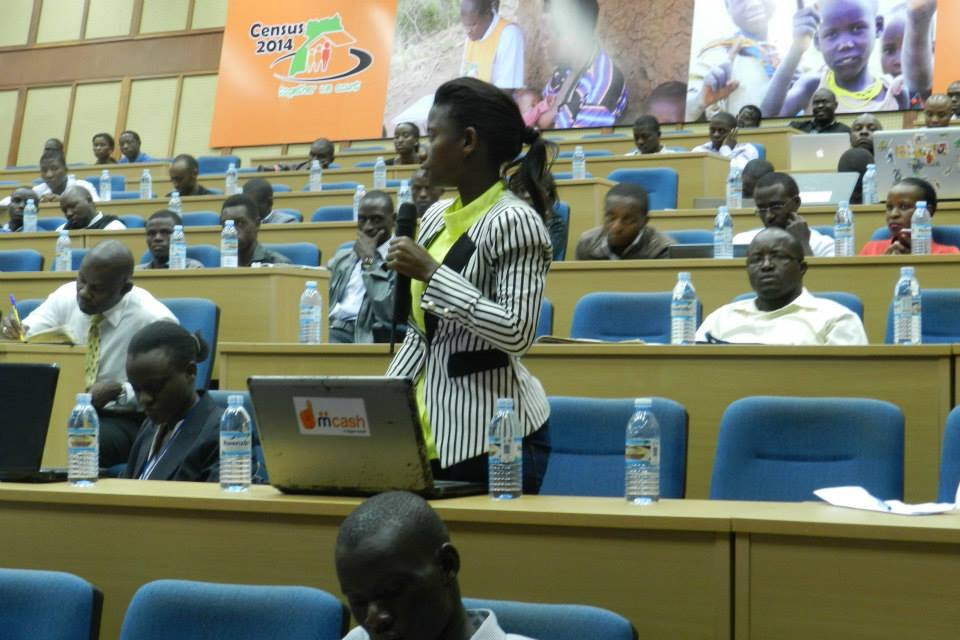
IT Innovation Supporting Home-Grown Solutions In Uganda

With the world’s youngest population, fast-rising access to internet and rapid spread of the use of mobile phones, Ugandans are starting to embrace information and communication technology innovations. This is confirmed by the increasing number of mobile and web applications with working prototypes developed in the country.

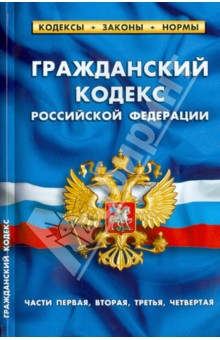
Special Report: Russia Modernises Its Intellectual Property Law

As of 1 October, major amendments of the Civil Code of the Russian Federation (the RF Civil Code) came into force concluding the most recent and extensive legislative revision since Part I of the Code was adopted in 1994. Changes affected substantive and procedural norms including Part IV codifying provisions on intellectual property rights. This report takes stock of some of the introduced novelties.

EU Legislation On Nagoya Protocol Becomes Effective; What Effect On Indigenous Peoples’ Rights?

The entry into force of an international treaty facilitating access to genetic resources and ensuring the fair sharing of potential commercial benefits has prompted the applicability of a European Union regulation relating to the treaty. This led a researcher to call on the treaty members to ensure its implementation protects the rights of indigenous and local communities.

“Trade Matters” For BRICS In Africa, So Does Internet Connectivity

Last week’s World Trade Organization Public Forum hosted dozens of panels on the general theme of "why trade matters." A panel focusing on the role of Brazil, Russia, India, China and South Africa (BRICS) found that the new BRICS Development Bank could foster infrastructure development in Africa, while another panel said that removing barriers to internet connectivity is key to economic growth.

Tech Industry Report Ranks Countries On Protectionism – Including IPR

A report released today by an American technology industry group ranks countries on the basis of mercantilist policies, urging the United States and multilateral organisations to issue a "bold response" to these restrictive and anti-competitive practices - including intellectual property theft and compulsory licensing permitted under WTO rules in developing countries. The top targets? China and India.

Interview – New CISAC Director Speaks On Expectations, Vision For The Future

The Paris-based International Confederation of Authors and Composers Societies (CISAC) represents 230 collective management organisations in 120 countries, collecting fees on behalf of “creators.” In the past year, CISAC has become active advocating the case of creators at the World Intellectual Property Organization Standing Committee on Copyright and Related Rights (SCCR).

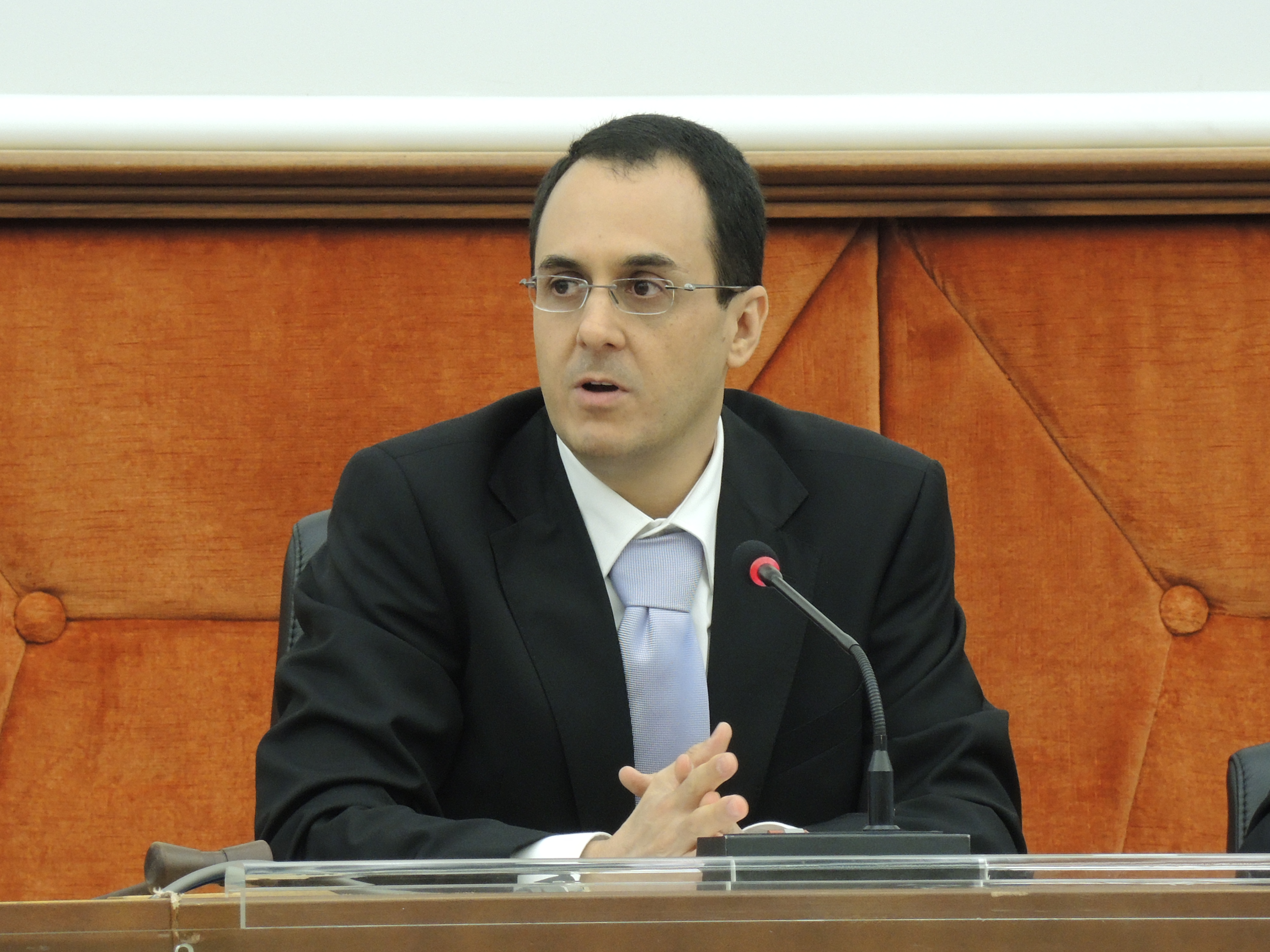
CISAC organised a side event to the annual WIPO General Assembly in September (IPW, WIPO, 29 September 2014). Intellectual Property Watch’s Catherine Saez sat down with new CISAC Director General Gadi Oron after the side event, to ask him about his vision for the organisation.

Formal IP System Does Not Fit Africa, LDCs Need Technological Capacity, Speakers Say

On the last day of the World Trade Organization Public Forum, a panel discussed the relationship between intellectual property and innovation in Africa, in particular in the informal sector. The formal IP system does not seems to fit, and least-developed countries need a sound technological base to be able to use the IP system. Separately, a European Patent Office study shows that Africa has a vast yet untapped potential in renewable energy.