Category Highlights

“Biopiracy” On The High Seas? Countries Launch Negotiation Towards A New International Legally Binding Instrument On Marine Genetic Resources In Areas Beyond National Jurisdiction

Wend Wendland writes: Countries have begun to negotiate a new international legally binding instrument on marine genetic resources in the high seas. The negotiation is an opportunity for countries to re-think existing frameworks which regulate access to and benefit-sharing in genetic resources. Countries have divergent views on if and how IP issues should be addressed in the new instrument. Developing countries have an interest in the establishment of mechanisms for the fair and equitable sharing of benefits from research into marine genetic resources and for the transfer of marine technologies. IP issues are relevant in both cases.

Negotiated Deal For UN Tuberculosis Declaration Stands

The negotiated deal over the language of the United Nations political declaration on tuberculosis, a landmark in the fight against TB, has been maintained by member states and was finalised on 14 September, marking the end of intense negotiations over language on intellectual property flexibilities in the document.

Special Report: CBD Advisory Bodies Make Recommendations On Sequence Data, Global Mechanism, Implementation

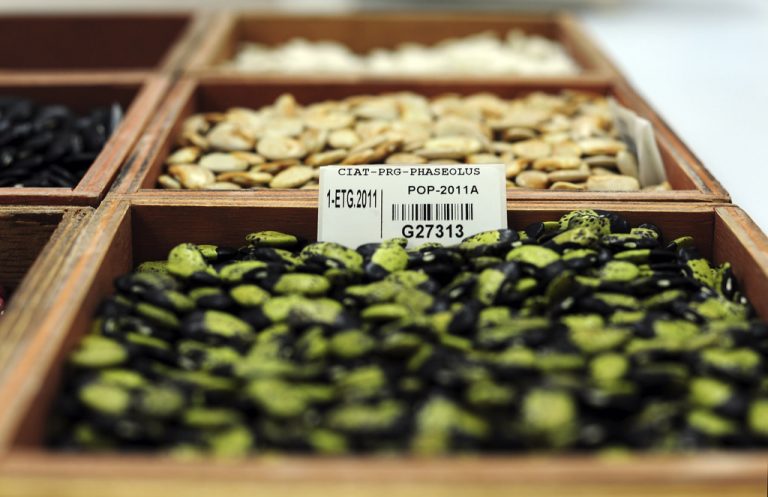
The UN Convention on Biological Diversity advisory bodies met last month to consider issues in preparation of the high-level Conference of the Parties later this year in Egypt. Among the topics were how to deal with genetic resources DNA information under the CBD protocol on access and benefit-sharing (Nagoya Protocol). Another was concerns met by countries implementing the protocol, in particular developing countries, and the need for capacity building.

WHA Agrees On Drafting Of Roadmap For Access To Medicines And Vaccines; US Blasts Compulsory Licences

The World Health Assembly yesterday agreed on a roadmap to be designed by the World Health Organization in consultation with member states to facilitate access to medicines and vaccines, including actions and activities for the period 2019-2023. If everyone agrees access to medicines and vaccines is indispensable for universal health coverage, views are still divided when it comes to intellectual property rights. The ranks of strong proponents of IP resulting in high prices are however thinning. The United States remains unshakeable, criticising compulsory licences used by countries to ensure affordable medicines are available.

Civil Society Key In TRIPS Flexibility Implementation

When the agreement on intellectual property was adopted by the World Trade Organization, a number of flexibilities were included in the text, mainly to give developing countries policy space to implement the agreement with development considerations. However, some countries through lack of awareness or economic pressure have not used those flexibilities fully, and found themselves facing difficulties addressing their public health needs, which some associate with this failure to use the flexibilities. Civil society has engaged in notable efforts to counter pressure and raise policymakers' awareness for a wider access to medicines.

CARB-X Makes Award For First Topical Antimicrobial; Could Be Used In Emergency Settings

CARB-X, an initiative aimed at accelerating innovation in antibacterial treatment, today announced an award to a company to accelerate development of a new bioengineered antimicrobial intended to be applied directly to affected tissues. This follows an announcement earlier this month of funding another firm to develop a new antibiotic class to treat drug-resistant Gram-negative bacterial infections.

Special Report: Will The Internet Of Things Need New Patenting/Licensing Strategies?

The Internet of Things (IoT), which will connect billions of devices in coming years, may offer incredible opportunities for businesses and consumers but it also raises significant intellectual property issues, IP lawyers, mobile operators and others say. One key question is whether patenting and licensing strategies will have to change to adapt to the myriad standards being developed and patents being sought for IoT products and services, and for the coming rollout of 5G technologies.