Category Health Policy Watch

New WHO Director Calls On Board To Join In “Intensive” Period Of Change

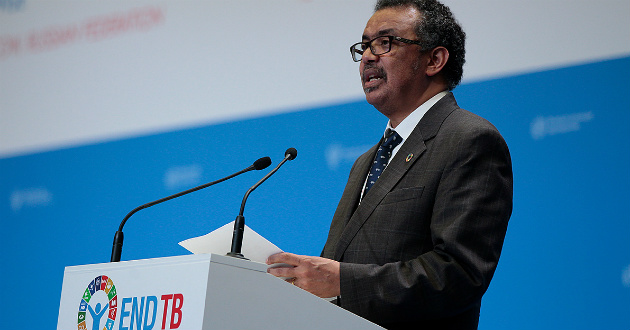
All human beings should receive the health services they need without suffering financial hardship, such is the definition of universal health coverage, a key point of discussion at the World Health Organization Executive Board meeting this week. New WHO Director General Tedros Adhanom Ghebreyesus (Dr Tedros) opened the event by presenting his vision for the future, and the collective work to accomplish necessary changes to the UN health agency. The European Union and United States warned against politicisation of the WHO.
Antimicrobial Resistance The “Scariest” Public Health Issue, Needs Financial R&D Incentives, Industry Says

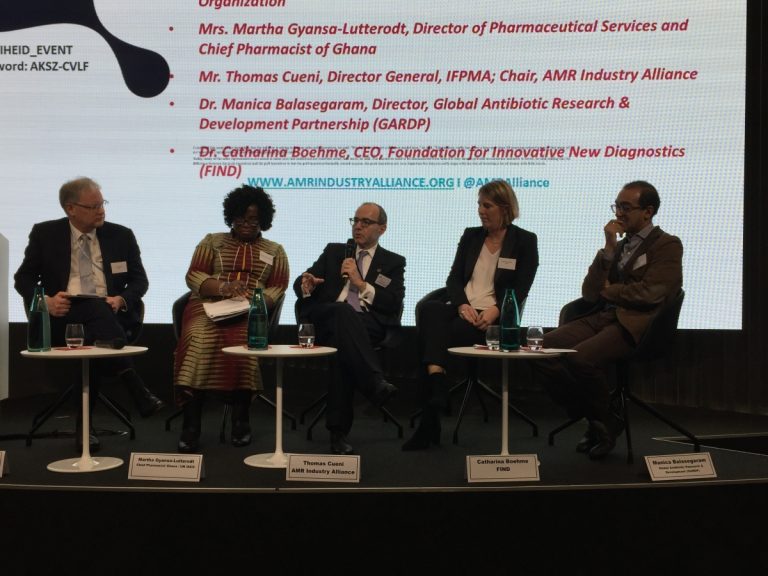
On the eve of the annual January World Health Organization Executive Board meeting, an alliance of pharmaceutical industries launched its first report on efforts made to curb antimicrobial resistance. The alliance also organised a conference on the report and on challenges of antimicrobial resistance, in particular the need for research and development incentives so that the industry can continue its efforts sustainably. Some light was also shed on the need to support access to diagnostics, and lower their prices.

Heads Of State At Davos’ Door: Trump, Modi, Macron, May

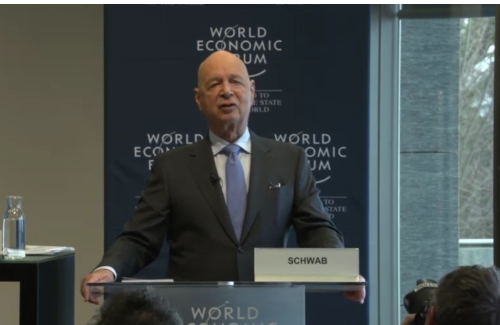
The World Economic Forum is meeting next week in Davos, with Indian Prime Minister Narenda Modi opening the forum, and US President Donald Trump closing it. One of the focuses of the annual meeting will be on finding ways to reaffirm international cooperation on common challenges, such as the environment and the global economy.

New Local Pharmaceutical Plant Expected To Enhance Access To Drugs In Kenya

Kenya’s pharmaceutical products manufacturing sector is hopeful it will experience significant growth after the Square Pharmaceuticals ltd (SPL) of Bangladesh commissioned a US$ 75 million plant in the East African nation this week. [A reminder: this story, like all of our stories, is completely free for almost every developing country in the world. Just sign up for a free password here!]

How International IP Policy Reconfigured National Politics: An Interview With Prof. Ken Shadlen

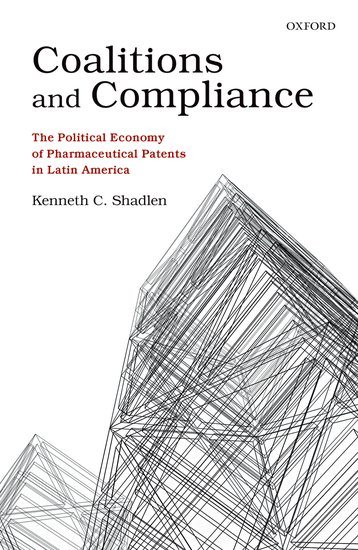
The recently published book Coalitions and Compliance by Professor Ken Shadlen of the London School of Economics examines how international changes can reconfigure domestic politics. Since the late 1980s, developing countries have been subject to intense pressures regarding intellectual property rights. These pressures have been exceptionally controversial in the area of pharmaceuticals. Historically, fearing the economic and social costs of providing private property rights over knowledge, developing countries did not allow drugs to be patented. Now they must do so, an obligation with significant implications for industrial development and public health. This book analyses different forms of compliance with this new imperative in Latin America, comparing the politics of pharmaceutical patenting in Argentina, Brazil, and Mexico. The book focuses on two periods of patent politics: initial conflicts over how to introduce drug patents, and then subsequent conflicts over how these new patent systems function. Intellectual Property Watch recently conducted a Q&A with Prof. Shadlen, which appears below.

WHO: New Directors In Leadership Team Selected On Merit First

The new World Health Organization director general last month announced a range of officials to serve as programme directors, touting the unusual achievement of naming almost all women to add to an overall women's majority in the senior leadership of the organisation - a first for the UN. Now after some questions arose over the choice of a Russian official to head up efforts against tuberculosis, the WHO defended its choices as fully merit-based, including in an email to Intellectual Property Watch and its sister publication Global Health Policy News.

WHO’s Revised Work Programme: Evidence-Based Normative Work, Access To Medicines

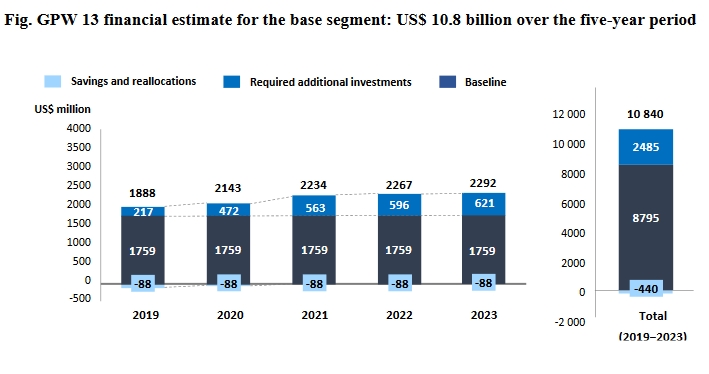
In a couple of weeks, the World Health Organization will be holding its annual January Executive Board meeting. Delegates will consider the edited version of the draft 13th WHO general programme of work for 2019-2023, published on 5 January. Following comments to the first version of the programme in November, the secretariat produced a more fleshed-out document, emphasizing the WHO's normative role, in particular evidence-based. The necessity of access to medicines and vaccines has been extended to other products, such as devices and blood products, and mention is made of the WHO Global Strategy and Plan of Action on Public Health, Innovation and Intellectual Property.

Top IP-Watch Stories Of 2017: What Do They Tell Us About Multilateral IP Policy?

What IP-Watch stories were readers reading most in 2017, and what does it say about the state of global intellectual property policy? In this article, we look at the most-trafficked stories of last year, and make a few assumptions. Asia, Europe, trade, health. These were the top targets of interest to readers among our offerings. Interestingly, despite all the sound and fury in Washington, our coverage there was not at the top of the list. Even more interestingly, neither was our extensive and world-leading coverage of the World Intellectual Property Organization.