Category Health Policy Watch

Consultation On Future Of WHO Pandemic Flu Programme To Look At Seasonal Viruses, Genetic Information

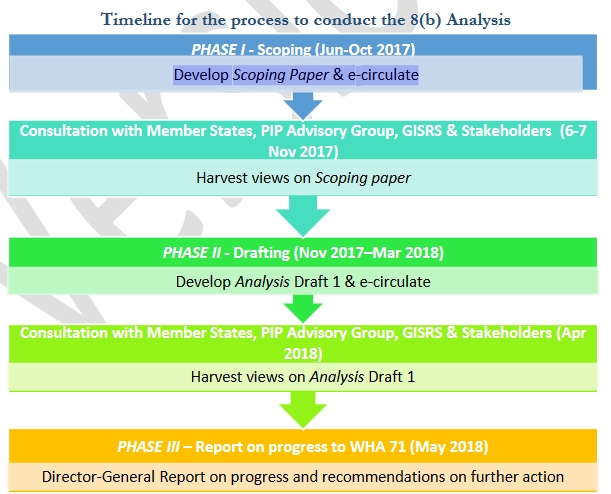
The World Health Organization mechanism to prepare the world for the next influenza pandemic is pondering its future and possible improvements. Among them are its extension to seasonal influenza, and the inclusion of genetic virus information along with biological samples to keep pace with technological developments. Member states and stakeholders (except the media) have been invited by the WHO to a consultation next month to discuss an analysis showing the potential beneficial or deleterious effects of the suggested changes to the system.


World Health Summit: Failing Business Models In AMR And Vaccination

BERLIN -- With antimicrobial resistance (AMR) on the rise worldwide there is no time to lose for developing new antibiotic drugs, experts said during one of the last panels of this year’s World Health Summit in Berlin Tuesday. As in several other rounds during the three-day event, industry representatives underlined that there is an issue with the business model due to high risk and low return of investment for research in this area.

Mechanism To Assess Trade Agreements Needed, UN Forum On Access To Medicines Hears

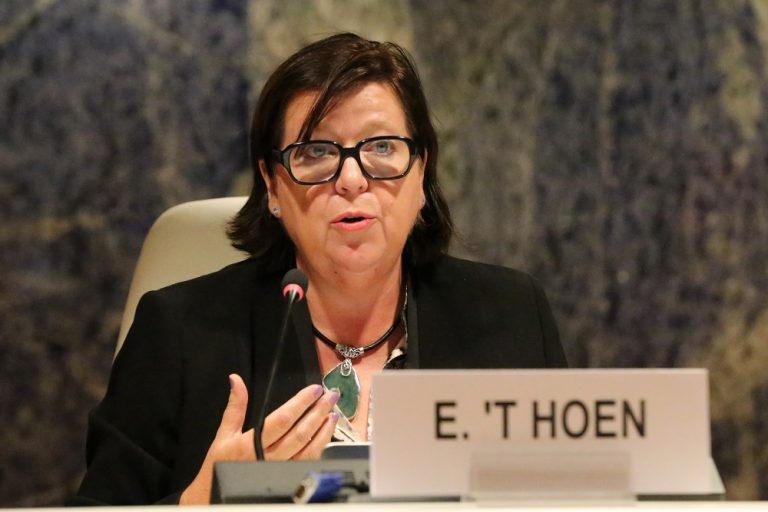
A mechanism to systematically assess trade agreements from a public health perspective, including accession agreements of the World Trade Organization and European Patent Office’s validation agreements is needed, says Ellen ´t Hoen, senior researcher at the Global Health Unit of the University Medical Centre, Groningen, The Netherlands. who publishes the Medicines Law and Policy website.

WHO Official On Antimicrobial Resistance: Poor Quality Medicines Entering At “Last Mile” To Patient

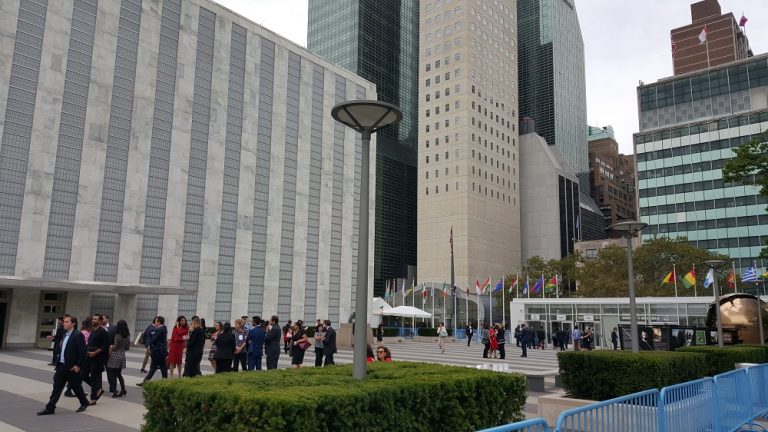
NEW YORK -- At a recent event on the margin of the United Nations General Assembly, a senior World Health Organization official gave an update on global efforts against substandard and falsified medicines in the context of the fight against antimicrobial resistance (AMR). And a key issue is that often after arriving safely in the capitals, something happens just before quality-assured medicines reach the patient, contributing to AMR.

Use Competition Law For Wider Access To Cheap Medicines?

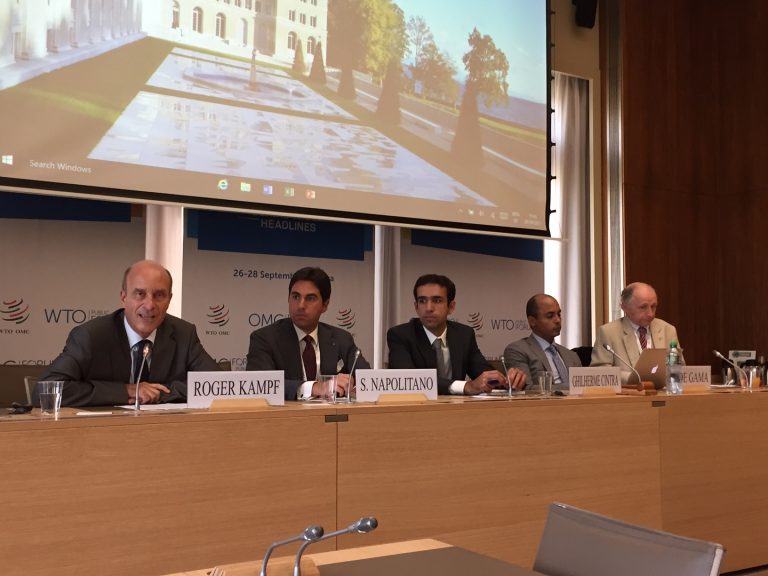
The topic of access to medicines has gained momentum in recent years as high prices of new medicines affect developing countries and developed countries. The role of competition legislation in preventing market abuses and monopoly situations has been pointed to as a possible lever to facilitate access to generic medicines and balance the potential negative effects of intellectual property protection.

Unitaid Official Explains How ‘Breakthrough’ HIV Medicine Pricing Deal Brings Best To The Neediest

NEW YORK -- In the midst of the high-level meetings of the annual United Nations General Assembly last week, health officials from the UN and foundations announced what they called a breakthrough pricing agreement that will speed the availability of "the first affordable, generic, single-pill HIV treatment regimen containing [the key compound] dolutegravir to public sector purchasers in low- and middle-income countries at around $75 per person, per year." A senior official at Unitaid, the drug purchasing mechanism that helped reach the deal, explained to Intellectual Property Watch how it came about and why this is significant.