Category Perspectives on the US

US IP Law – A Look At The Year Ahead

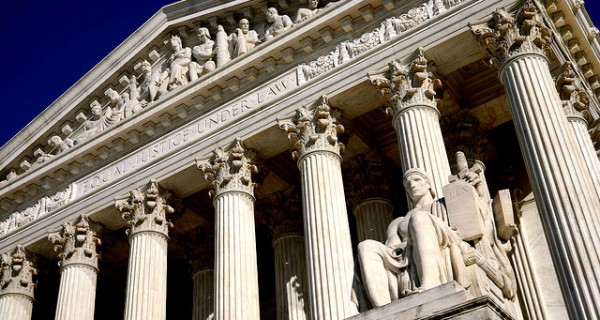
In the coming year, one US Supreme Court case promises to dominate developments in America’s IP law. The upcoming decision in Oil States Energy Services v. Greene’s Energy Group could have major ramifications for patents, copyrights, trademarks, and the USPTO. But even as that case steals the limelight, 2018 could bring other significant changes to America’s IP law. Here are some of the key developments to watch for.

Must All Foreigners Online Comply With US Copyright Law? (Part 2 of 2)

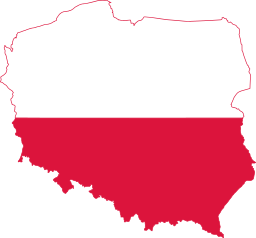
A case now before the DC Circuit Court of Appeals, Spanski Enterprises v. Telewizja Polska, creates a legal dilemma. The court needs to find Telewizja liable for copyright infringement, or else the court will create a roadmap for pirates, enabling them to stream copyrighted works into the US with impunity. But if the court finds Telewizja committed infringement simply because the Polish company put online works that could be accessed in the US, the court will apply US copyright law in an extraterritorial manner that will create problems around the globe.

Must All Foreigners Online Comply With US Copyright Law? (Part 1 of 2)

US copyright law is supposed to apply only within US borders, not to actions done in Poland. But when a company in Poland streamed copyrighted TV shows into the US, that infringed US copyrights, according to a US trial court. This decision will be upheld on appeal, experts widely expect. Such an appellate decision, however, could expand the reach of US copyright law to a problematic extent. It will be tricky to find infringement in this case without also extending US copyright law to any online content posted anywhere on the globe.

In US, New Legal Ploy May Protect Bad Patents

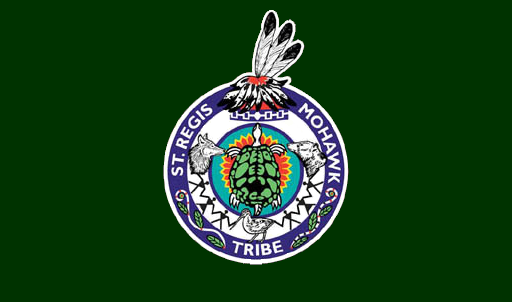
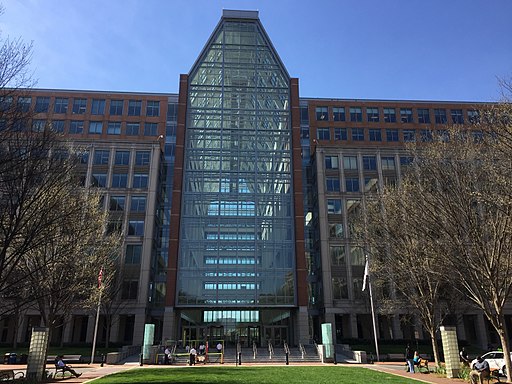
It had been a bad three months for Allergan, Inc. The drug maker’s stock price had fallen over 20 percent, as the company faced two legal challenges to the patents on its blockbuster drug, Restasis. Then, on 16 October, Allergan lost one of those challenges. A US court found the patents invalid. Allergan vowed to appeal, thus maintaining its monopoly on the drug until a final court determination, which could be over a year away. But Allergan’s monopoly could collapse far sooner, if the company were to lose the second challenge to the patents, before the USPTO. Such a loss was probable, as the agency had already found a “reasonable likelihood” that prior art invalidated the patents on Restasis. So back in September, Allergan employed an innovative legal strategy: The company gave its patents to a Native American tribe, and the tribe claimed its sovereign immunity prevented the USPTO from reviewing the patents’ validity. If this strategy were to succeed, it will do far more than just boost Allergan’s bottom line. The new strategy will increase the power of patent owners, help patent trolls, and dramatically alter the US patent system.

How USPTO Patent Reviews Became Imperiled

Initially, the lawsuit was widely viewed as a waste of time. The suit asserted a strained legal argument that already had been rejected twice by federal appellate panels, in 1985 and 1992. Yet this lawsuit, Oil States Energy Services v. Greene’s Energy Group, has now reached the US Supreme Court. So later this term, the high court will decide whether the US Constitution prevents the US Patent and Trademark Office from ever striking down issued patents.

Troubled Federal Circuit Hobbles US Patent System

It’s been another dismal term for the Federal Circuit Court of Appeals. Six of its patent law decisions were reviewed in the US Supreme Court’s 2016-17 term, and the Federal Circuit’s decisions were overturned in all six cases. That, unfortunately, is not surprising. Over the past 15 years, the tribunal once known as the nation’s “patent court” has seen many of its most important patent law decisions reversed by the Supreme Court– sometimes in withering opinions. This has seriously undermined the Federal Circuit’s power, reputation, jurisprudence, and (apparently) self-confidence – causing a major problem for the United States’ patent system.

US High Court OKs Bigoted Trademarks

When the US Supreme Court issued its decision in Matal v. Tam, trademark applicants celebrated, hailing it as a victory for free speech and trademark rights. But some trademark owners will become very unhappy about the ramifications of the Court’s 19 June ruling.

US Ends Post-Sale Patent Rights

On 30 May, the US Supreme Court handed down yet another in a long series of rulings that cut back on the rights of patent owners. This time, the high court made it far more difficult for patentees to impose post-sale restrictions on the use or resale of their patented goods. The ruling should boost parallel imports into the US, increase competition throughout the American economy, lower prices for US consumers, and hurt the bottom line of many companies.

March-in Rights: A Lost Opportunity To Lower US Drug Prices

It appears not just unfair, but absurdly so. The US government paid for research that produced a patented drug, the patents were licensed exclusively to a Japanese firm, and that firm is now committing price discrimination against the US. Astellas Pharma is selling its anti-prostate cancer drug, Xtandi, for over $129,000 per year per patient in the United States – triple the price of the drug in Japan. Alas, this situation is not unusual. Many drugs that were financed by US taxpayers are sold in the US at exorbitant prices, but are much cheaper in other high-income industrialized nations. This differential price problem could be solved easily. However, the US government has consistently refused to exercise its march-in rights in order to lower drug prices.

US Supreme Court Ruling Worries Patent Experts

A recent US Supreme Court patent law decision surprised few observers – other than those steeped in patent law. The high court’s ruling in SCA Hygiene Prods. Aktiebolag v. First Quality Baby Prods stunned and dismayed many patent experts, because the decision will benefit patent trolls and other unscrupulous patent owners, at the expense of companies just trying to make and sell their products. On the positive side, however, the ruling brings US patent law more in line with Europe’s patent law.

US High Court Backs Foreign Manufacturers Over US Patentees

Under Donald Trump, the United States has adopted new, protectionist policies. “America first,” the President has repeatedly and loudly declared. It appears, however, that the US Supreme Court didn’t get the memo. The Court, in a recent patent law case, sided with foreign companies and consumers, at the expense of US patent owners. The unanimous ruling protects international supply chains instead of domestic US manufacturing.

In US, New Tactics To Combat Online Copyright Infringement

The death was quick, quiet, and unmourned. The Copyright Alert System – a once vaunted plan to stop online copyright infringement in the US – was killed on 27 January. Lasting only four years, CAS had accomplished little and satisfied no one, according to many experts. What went wrong? And what is the movie and music industries’ next plan to combat online infringement?