
Metaphors And Folk Devils — Google’s William Patry Talks About His New Book
Google's William Patry discusses copyright myths, misleading metaphors, fear of new technologies and outdated business models in a video interview.

Original news and analysis on international IP policy
Google's William Patry discusses copyright myths, misleading metaphors, fear of new technologies and outdated business models in a video interview.
Draft chair's conclusions out today show the World Intellectual Property Organization is poised to make paradigm-shifting breakthroughs to expand access to reading materials for the visually impaired. WIPO members this week also are considering the possibility of high-level negotiations on a new treaty for the protection of audiovisual performances.
Recent customs seizures by some European Union members of Indian-made generic drugs en route to Latin America have caused uproar amongst development NGOs. But their claims are not only wide of the mark but dangerous, say Philip Stevens and Julian Harris.
The Obama administration and industry groups like the Motion Picture Association of America continue to keep their policy focus squarely on protection and enforcement of IP assets, but in testimony to the US Congress last week made no mention of multilateral venues for advancing these interests through new policy instruments.
Implementation of a United Nations-related patent pool initiative that independent reviewers say could save millions of lives (and dollars) is set to be approved next week by the initiative’s board, though some observers fear resistance from strong patent beneficiaries, such as the foundation run by Microsoft founder Bill Gates. A confidential report on the initiative prepared for board approval is expected to show multiple benefits to implementation of the pool, but also some concerns, according to informed sources.
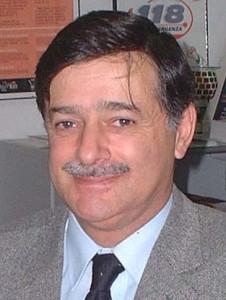 Daniele Dionisio argues some perspectives on health and IP might change now that controversial practices at the WTO, World Bank and IMF are increasingly under pressure, and that new government policy choices and actors on the world chessboard are emerging.
Patenting of biotechnologies is a growing trend and is increasingly raising questions about legal and ethical implications and a lack of harmonisation, according to speakers at a recent World Intellectual Property Organization (WIPO) symposium.
“In international law we like metaphors,” said William Patry, Senior Copyright Counsel at Google and author of the recent book Moral Panics and the Copyright Wars. One of the most pervasive of these is “a rising tide lifts all boats,” a metaphor whose danger lies in appearing logical. But making theory into copyright policy will benefit neither content creators nor those interested in preserving access to knowledge, he said.
The future of the multilateral trading system looks bleak although global trade is in good shape overall, and developing countries are becoming heavier trading partners as a new geopolitical landscape is emerging, according to panellists in a concurrent event to this week’s World Trade Organization ministerial meeting.
The World Trade Organization’s first full ministerial in four years is not a negotiating forum. Rather, it is bringing together some 150 trade ministers for some soul-searching on the state of the multilateral system and the work of the WTO. Measuring the event’s success (or failure, as in some past ministerials) will be difficult, but new directions may be infused into the 15-year-old organisation and a high-level political statement may be used to drive trade negotiations forward in the coming year.
NAIROBI - At the headquarters of UNITAID and other groups seeking to boost access to HIV/AIDS medicine, the notion of a patent pool where drug companies would combine their intellectual property is seen as an important way to drive down drug costs.
In the Kenyan capital Nairobi, home of AIDS activist Nelson Otwoma, the patent pool is a matter of life and death.
A United Nations group that has been hard at work laying out recommendations for how to effectively integrate intellectual property into secured financing law is heading into the final phase.