OECD Book Highlights Economic Impact – Good And Bad – Of IPRs
A new book from the Organisation for Economic Cooperation and Development (OECD) paints a revealing picture of the impact on economies of intellectual property rights.

Original news and analysis on international IP policy

A new book from the Organisation for Economic Cooperation and Development (OECD) paints a revealing picture of the impact on economies of intellectual property rights.

Teens are way out front when it comes to tech stuff and the internet. So it's totally not surprising that American teen tv stars Kendall and Kylie Jenner announced winning their domain name disputes even before the disputes were filed at the World Intellectual Property Organization. The Jenner sisters are part of the "Keeping Up with the Kardashians" reality television show.

In a clarion call to policymakers, former United States Patent and Trademark Director David Kappos said recently that this year’s unprovoked drop in patent filings in the United States is unprecedented and signals a shift toward more secrecy by inventors trying to protect their ideas. Meanwhile, the US trend toward antitrust actions at home is having deleterious effects for US businesses overseas, he said.
An annual report on the digital economy from the economic organisation of the world's richest countries measures innovation by how many patents, designs and trademarks were filed by businesses.

BERKELEY, CALIFORNIA -- “There’s one thing we’re very good at in this nation, and that’s innovation,” Tusher Center Director and Professor David Teece said recently in setting the tone for a day of discussions inspired by the launch of the new center at the University of California at Berkeley.

Indigenous Peoples' knowledge and creativity is a valuable source of inspiration for all, but might benefit from being better protected, the head of the UN World Intellectual Property Organization said this month. WIPO is currently negotiating an international instrument or instruments to better protect genetic resources, traditional knowledge and traditional cultural expressions (folklore).

The United States Department of Commerce office planning to relinquish national control over a remaining key component of the internet domain name system has said it will take at least until September 2016, putting off the transition that had been targeted for next month.
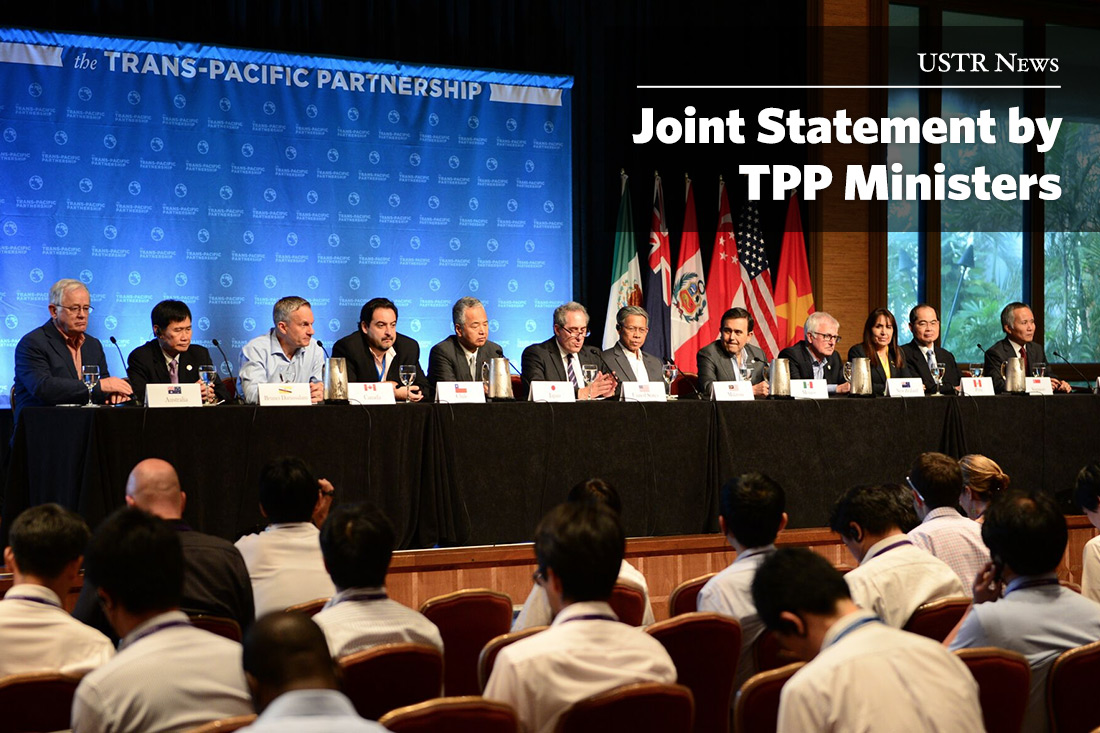
While the ministers of the 12 countries negotiating the Trans-Pacific Partnership (TPP) acknowledged they are still far apart on certain issues such as dairy, there were some areas of agreement in this week's negotiation in Hawaii, they said. Some of them appear to have been related to intellectual property rights, with particular mention of geographical indications (GIs).

The UN World Intellectual Property Organization is a member-driven agency set up to protect IP rights worldwide. In recent years, an area of dissension and debate has been how to make the organisation – and IPRs - friendlier to developing countries. This year, however, it has become a hotspot for the global debate between developed countries over protection of geographical indications, products of distinctive character deriving from specific locations.
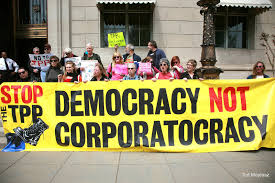
Trade ministers negotiating the Trans-Pacific Partnership (TPP) agreement meet this week in Maui, Hawaii to try to finish the deal. Along with them are numerous public interest groups strenuously lobbying to steer the deal away from single-minded corporate interest.