William New

William New

Gilead’s Use Of Patents For $10B Tax Dodge Could Ignite Move For Policy Change
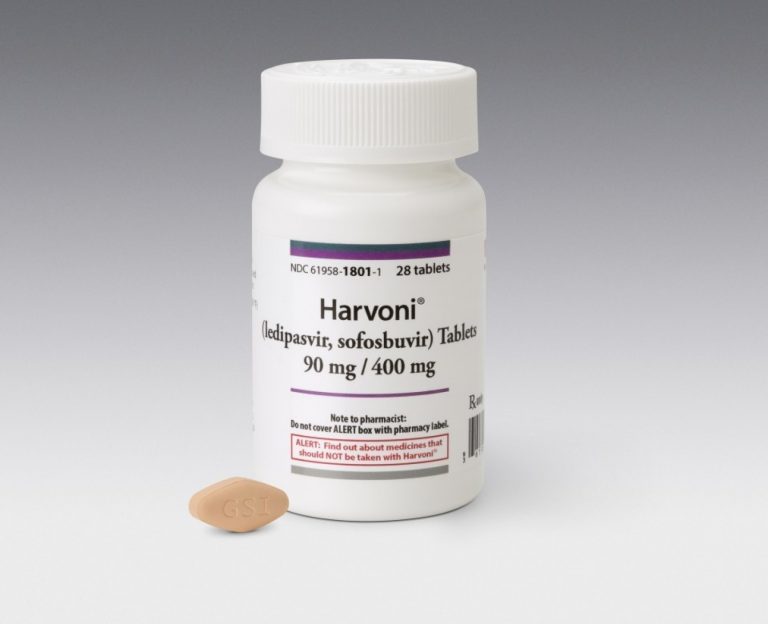
Gilead is the US company whose use of patents to charge $1000 per pill for a hepatitis C medicine in the United States helped make high drug prices a developed country household issue and fodder for elected officials seeking change. Now the company has come under further fire after being found to have moved some US$10 billion overseas to avoid US taxes - even after having received US taxpayer support for its activities - which it orchestrated by moving its patent rights overseas. A new report detailing the company's tax dodge includes a proposal for a way to clamp down on this type of patent activity.

New Book On Price-Reducing Strategies For Essential Medicines Under IPRs

A new book and website examine the impact of intellectual property rights on access to new essential medicines and call for measures that were used to reduce prices of patented HIV medicines to be applied in the case of essential medicines.

US Sees Weak African IP Protection, But Not Enough To Lose Unilateral Trade Benefits

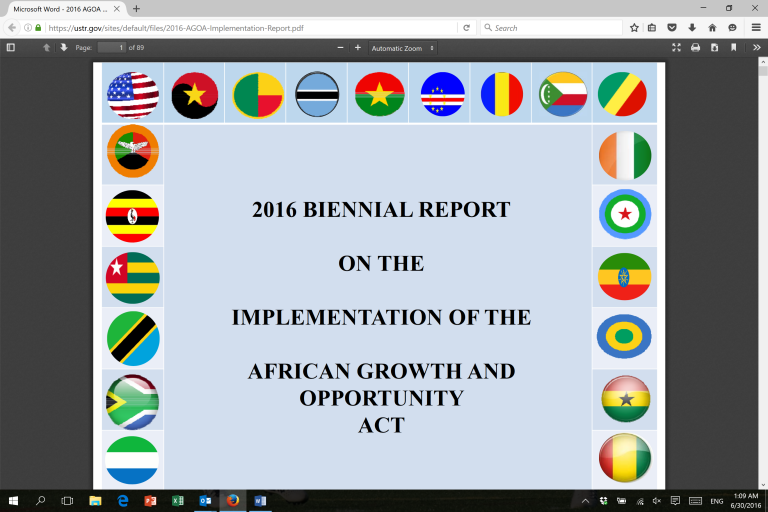
The Office of the United States Trade Representative (USTR) today (29 June) released its annual report on the eligibility of African nations for unilateral trade benefits offered by the US. While some countries were praised for progress on intellectual property protection, others were found to be weak in this area, but none were removed from eligibility for that reason. Overall, reporting on IP rights varied widely in the report.

Clinton Lays Out Presidential Tech & Innovation Plans

US presidential candidate Hillary Clinton has issued highlights of her plan to boost the nation's competitiveness in and attention to technology, internet and innovation if elected. The platform hits many of the latest issues and buzzwords in those fields, continuing existing programs but also pushing further in some areas. Among the plans: appoint a chief innovation advisor, reduce frivolous patent litigation, support allowing the US Patent and Trademark Office to keep its fees, boost access to orphan copyrighted works and open licensing, support multi-stakeholder internet governance, and keep the internet open worldwide. Clinton also gave a nod to personal privacy online and took a jab at the SOPA bill that was defeated for over-reaching on behalf of IP rightsholders.

WIPO Patent Law Committee Undertakes Many Issues This Week

The World Intellectual Property Organization Committee on the Law of Patents (SCP) is meeting this week. Among the possible agenda items: updates to the international patent system, exceptions and limitations to patents, quality of patents, patents and health, confidentiality of client-patent advisor communications, and technology transfer. A recent developed country proposal relates to increased work-sharing among patent offices. Also on the table this week is a new proposal to study the assessment of inventive step by patent practitioners.

UK “Brexit” Leaves IP Community With Many Questions

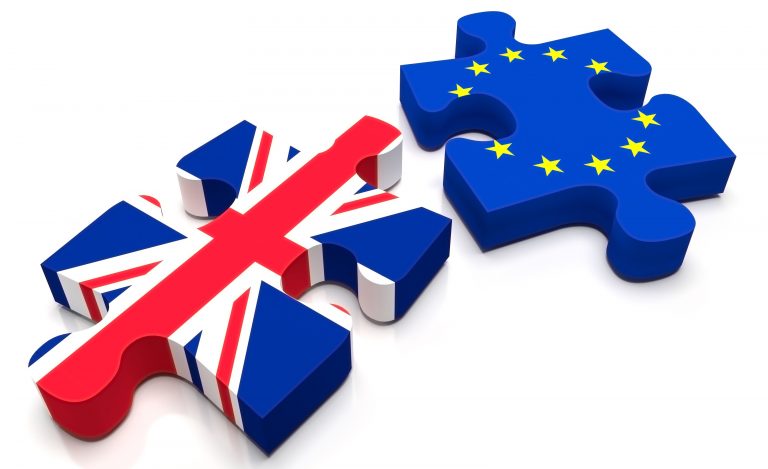
Britons' 23 June decision to pull out of the European Union has caused shock waves in the UK and Europe, and the vote is still being digested. Early reactions from members of the intellectual property community show that the impact of Brexit on IP policies and issues in Britain and Europe is far from clear.

WTO Reports On IP Trends In G20 Countries

As part of a larger report on the G20 top global economies, the World Trade Organization has provided a discussion of policy developments in trade and intellectual property. This includes a look at international policy actions, recent agreements, and national legislation and trends.

Nearly All Global Physical Counterfeiting Is From China & Hong Kong, US Report Shows

A new analysis released this week by the United States Chamber of Commerce Global Intellectual Property Center (GIPC) shows that some 86 percent of all physical counterfeiting comes from China and Hong Kong. Companies locating manufacturing there may not be surprised to find counterfeit versions of their products on the market, and seizures are a small fraction of the goods getting into the global trade stream, the report says.