William New

William New

Industry’s Proposed Changes To Draft TPP Were Not Protected Under National Security Exemption, US Judge Says

Changes to the draft text of the Trans-Pacific Partnership agreement (TPP) suggested during negotiation of the treaty are not protected under the national security clause of the US Freedom of Information Act (FOIA), a judge ruled yesterday in a rare rejection. But he also defended USTR’s protection of information on the basis that other countries in TPP might accuse the US of “steamrolling” them if US textual proposals from the negotiations were revealed.


Committee Agrees WIPO Strategic Plan To 2021: Possible Rethink For Policymaking

Anticipating a degree of uncertainty ahead for the global economy and intellectual property system, the World Intellectual Property Organization in a new six-year strategic plan looks at likely future policy debates, a focus on infrastructure and training, and possible ways to bring about better negotiations at the UN agency.

WIPO Human Resources: All Is Harmony, Secretariat Says

The World Intellectual Property Organization’s human resources issues have been far from harmonious over the past decade, but this year’s secretariat report paints a picture in glowing language of a new culture with happy, well-trained staff after years of “change management.” And to member governments concerned about remaining challenges? No problem, just leave that to us, WIPO says.

WHO Africa Region Addresses Strategies On Counterfeits, Malaria, Hepatitis

The 47 members of the World Health Organization African region this week adopted or considered a series of measures aimed at fighting substandard and counterfeit medical products, eliminating malaria and viral hepatitis, and setting a global strategy and plan of action on ageing and health that includes a focus on non-communicable diseases. They also adopted a plan for disease outbreaks and health emergencies.

New US Government Source Code Policy Could Provide Model For Europe

The United States government this month published its new federal source code policy to allow government-wide access to custom source code developed by or for any agency of the federal government. The policy, which aims to reduce duplication, avoid technology “lock-in,” and tap the best minds in or outside government, has caught the attention of free software developers in Europe who are hoping to use it as a basis for change there too.

The Downfall Of Invention: A Broken Patent System

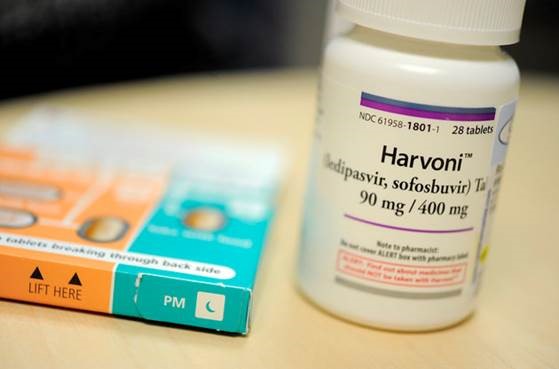
The cost of dozens of brand-name drugs have nearly doubled in just the past five years. Public outrage over drug prices extends from Capitol Hill to the presidential candidates to patients. In response, pharmaceutical executives are spending more on lobbying and marketing. Yet for all this attention, most of the proposed solutions for reducing prescription drug costs—tougher negotiations, appeals for transparent R&D costs or investigations into insurers—miss one of the primary sources of the problem: the way we award patents, writes Tahir Amin.

Libraries, Groups Welcome WIPO Copyright Appointment, With Hope

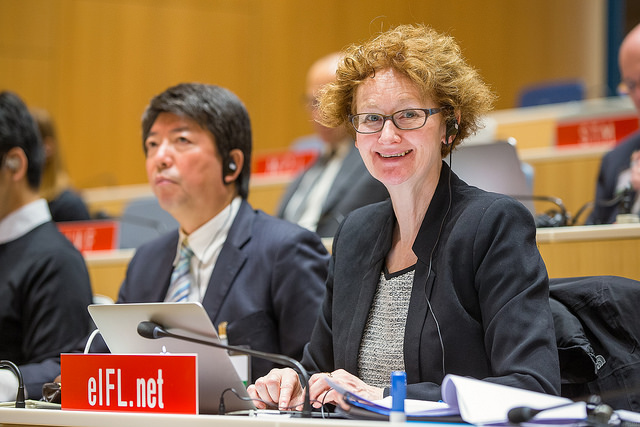
A range of highly active groups at the World Intellectual Property Organization representing libraries, archives, and digital civil liberties this week welcomed the appointment of a copyright industry lobbyist to lead WIPO copyright issues. But they have voiced their hope that the appointee, Sylvie Forbin of France, will quickly show leadership on the promotion and support of the cultural heritage sector as it relates to copyright.