Catherine Saez, William New

Catherine Saez, William New

WHO Board Shows Resolve In Tackling Shortages, Access To Medicines, Vaccines

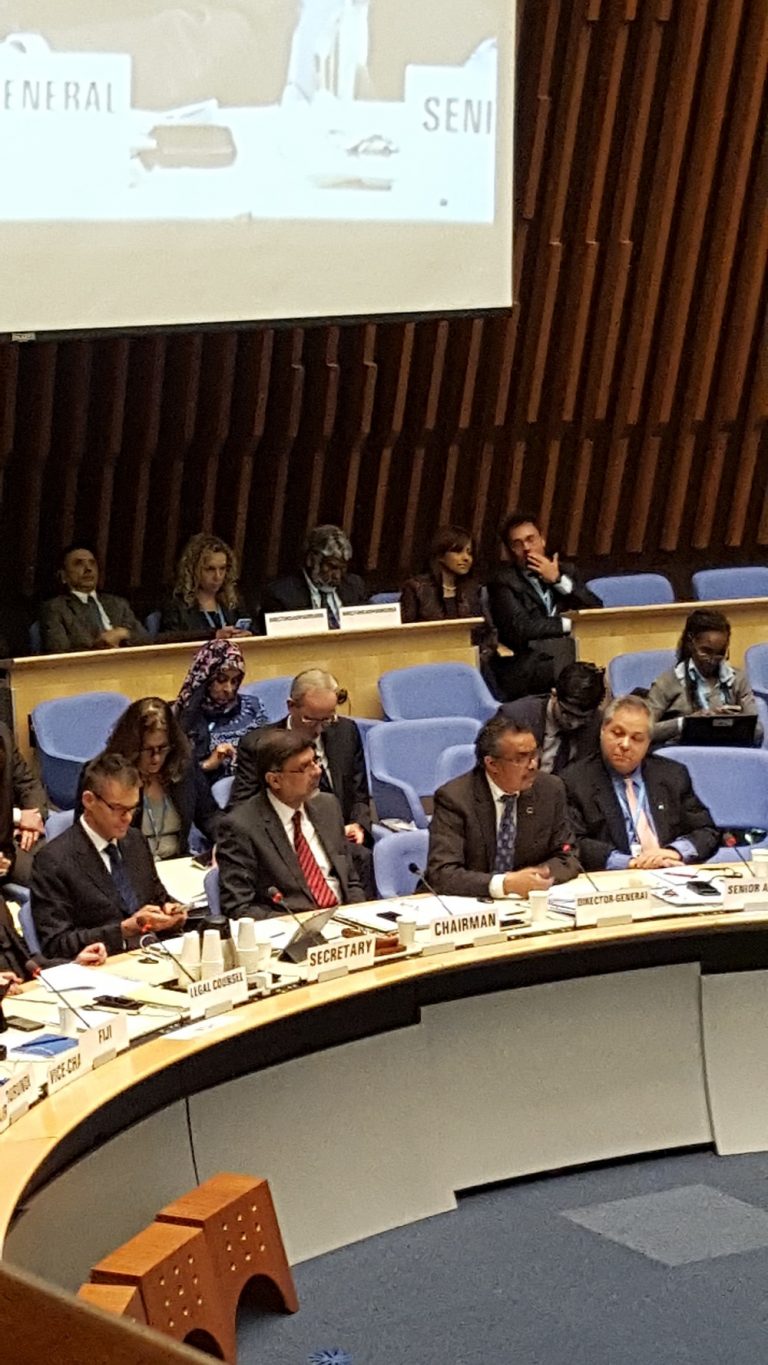
The members of the World Health Organization Executive Board tonight (24 January) agreed to create a roadmap on global shortages of, and access to, medicines and vaccines. WHO members proclaimed the urgent need to address prices and availability of safe and efficient medicines and vaccines, some requesting the recently elected director general of the organisation to help find solutions.

US Working To Block UN High-Level Panel On Access To Medicines Ideas In Geneva And Capitals

The United States, possibly working with like-minded countries, is working to prevent the further spread among international organisations in Geneva of recommendations put forward by the 2016 United Nations High-Level Panel on Access to Medicines, considering them to be ideological driven and dangerous to economic growth. The comments were made by a US official speaking to a recent US industry event in Washington DC involving many of the US intellectual property attachès, at which two attachés from Geneva described latest developments and strategy for the coming year. A key message from attachès to industry: come to Geneva and engage, starting with this week’s Executive Board meeting at the World Health Organization.

USTR Notorious Markets: Online Ads Still Funding IP Infringement; Alibaba Fires Back About Report

The Office of the United States Trade Representative today released its annual list of the worst outlaw online and physical markets around the world, citing a range of major sources of problems in every part of the world. The list this year highlights new technologies, identifies online advertising as a large revenue source for counterfeiters, and includes Chinese online market Taobao, owned by internet giant Alibaba, for the second year in a row, leading the company to claim bias and politics are at play.

How International IP Policy Reconfigured National Politics: An Interview With Prof. Ken Shadlen

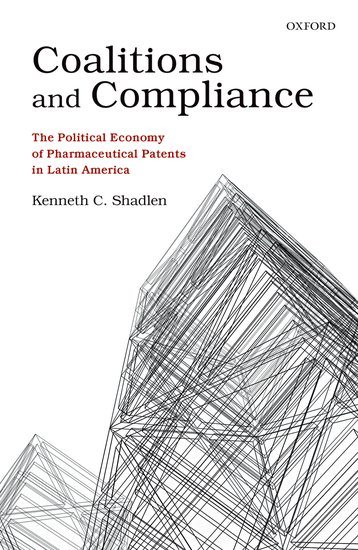
The recently published book Coalitions and Compliance by Professor Ken Shadlen of the London School of Economics examines how international changes can reconfigure domestic politics. Since the late 1980s, developing countries have been subject to intense pressures regarding intellectual property rights. These pressures have been exceptionally controversial in the area of pharmaceuticals. Historically, fearing the economic and social costs of providing private property rights over knowledge, developing countries did not allow drugs to be patented. Now they must do so, an obligation with significant implications for industrial development and public health. This book analyses different forms of compliance with this new imperative in Latin America, comparing the politics of pharmaceutical patenting in Argentina, Brazil, and Mexico. The book focuses on two periods of patent politics: initial conflicts over how to introduce drug patents, and then subsequent conflicts over how these new patent systems function. Intellectual Property Watch recently conducted a Q&A with Prof. Shadlen, which appears below.

WHO: New Directors In Leadership Team Selected On Merit First

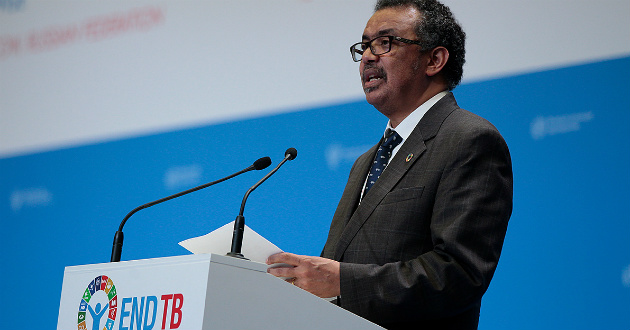
The new World Health Organization director general last month announced a range of officials to serve as programme directors, touting the unusual achievement of naming almost all women to add to an overall women's majority in the senior leadership of the organisation - a first for the UN. Now after some questions arose over the choice of a Russian official to head up efforts against tuberculosis, the WHO defended its choices as fully merit-based, including in an email to Intellectual Property Watch and its sister publication Global Health Policy News.

Top IP-Watch Stories Of 2017: What Do They Tell Us About Multilateral IP Policy?

What IP-Watch stories were readers reading most in 2017, and what does it say about the state of global intellectual property policy? In this article, we look at the most-trafficked stories of last year, and make a few assumptions. Asia, Europe, trade, health. These were the top targets of interest to readers among our offerings. Interestingly, despite all the sound and fury in Washington, our coverage there was not at the top of the list. Even more interestingly, neither was our extensive and world-leading coverage of the World Intellectual Property Organization.

A Canadian Billionaire’s Mysterious Death And The Effect On Access To Medicines

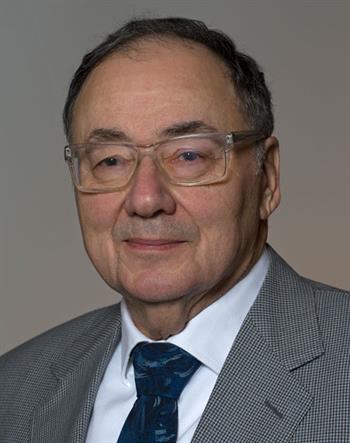
The mysterious death last week of Canadian billionaire Barry Sherman and his wife has raised many questions. For some, one question is what impact it will have on pharmaceutical competition in Canada, as his giant generic medicines company Apotex was seen as making a mark in access to medicines. It was also recalled that the company is the only one to have used an obscure provision of a World Trade Organization intellectual property agreement aimed at making more affordable medicines available in least developed countries.