Monika Ermert

Monika Ermert

UN Panel Starts Consultations On Digital Cooperation: Philosophy and Practice
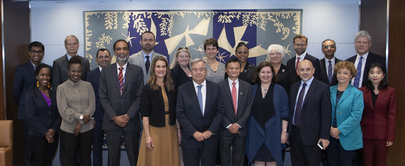
There is a lot of energy and good dynamism, and some worries, too, about the immensity of the task ahead in the United Nations High Level Panel on Digital Cooperation, Jovan Kurbalija, executive director of Panel's Secretariat, said after the first face-to-face meeting last week and subsequent virtual town hall on 1 October. According to the mandate, the panel shall in less than a year present recommendations on ways and means for cooperation on digital policies and digital risks.

Helping Understand The Internet Phenomenon: Interview With New ISOC CEO Andrew Sullivan

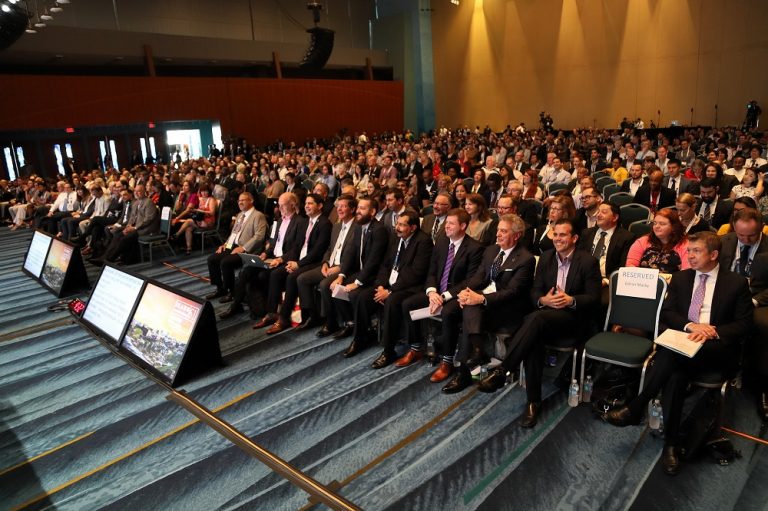
Starting 1 September, Andrew Sullivan takes on the role as CEO and President of the Internet Society. Selected by the ISOC Board of Trustees, Sullivan looks like an apt bridge builder between the world of internet technology and the world of policymakers. Equipped with experience in developing technology at Dyn, a DNS company recently acquired by Oracle, and a tenure as Chair of the Internet Architecture Board, a peer body of the standards body Internet Engineering Task Force, Sullivan has a degree in philosophy and is no stranger to public sphere theorist Juergen Habermas. After the heavy attack on Dyns DNS network, via low-cost cameras – the so-called Mirai attack – the Canadian warned against knee-jerk attempts for regulation, but acknowledged that technological solutions might need some assistance from policymakers. Answering questions with journalist Monika Ermert in writing from the meeting of the ISOC Board of Trustees in Panama, Sullivan diplomatically underlined that collaboration is key for everything on the internet. In his new position, Sullivan follows Kathy Brown, a former AT&T manager.

Internet Policy – Whois And GDPR: Sky Not Falling Just Yet?

The struggle over how to comply with Europe's new General Data Protection Regulation dominates the agenda of the upcoming meeting of the Internet Corporation for Assigned Names and Numbers (ICANN) in Panama. With the basic question how much data ICANN can ask its contractual partners to collect and store about its domain name customers, ICANN this week opened another hot topic to be discussed when publishing a paper on unified access to registration data. Meanwhile, trademark owners weighed in.

Data Localization (Nearly) Banned In EU

The European Parliament, Council and European Commission on 19 June cut a deal on a new regulation on the free flow of non-personal data. The regulation, which is expected to pass the final votes in Parliament and Council without further issue, is a European answer to concerns over potential data localization obligations, which came into some demand following the Snowden revelations about intelligence services hoovering data from netizens.

Former Munich Mayor Warns Against Negative Effects Of City’s Re-Migration To Microsoft

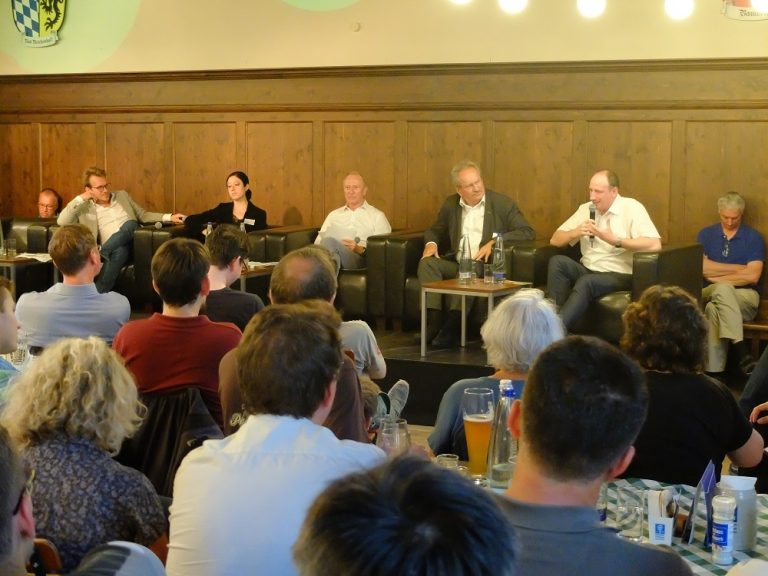
The former mayor of Munich, Christian Ude (Social Democratic Party), clashed with the new head of IT of the Bavarian capital over the city's re-migration from Linux to Microsoft at an event organised by the Green Party yesterday.

IP, AI, Health Commitments Mere Footnotes In Quarrel Between G6 And Trump?

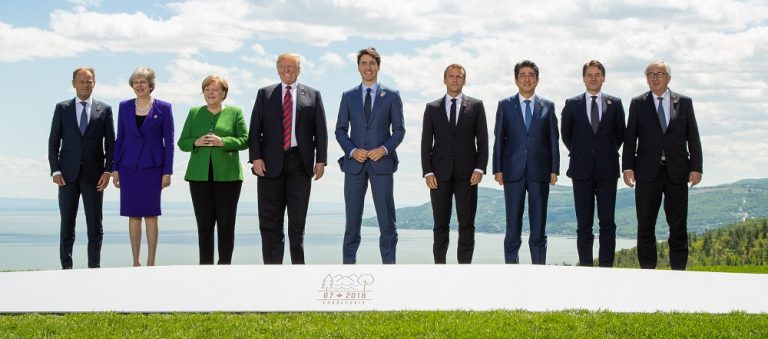
Leaders at the G7 Summit tried to mitigate tensions by taking on some US favourites in their final communiqué like “forced technology transfers,” a topic brought up only recently by the United States at the World Trade Organisation. Forced technology transfers, according to US diplomats, are licensing and administrative rules entertained by China to oblige foreign firms to share technology in exchange for gaining access to the Chinese market. They also had sought to agree on a vision for artificial intelligence, a range of health issues, and foreign cyber interference with elections.

EUIPO Study Looks At State Of IPR Infringement In The EU

A report published today by the EU Intellectual Property Office (EUIPO) deplores rising volume of intellectual property rights infringement in both immaterial goods and digital content and warns against the economic effects for the Union.

European Patent Office Discusses Patenting Artificial Intelligence

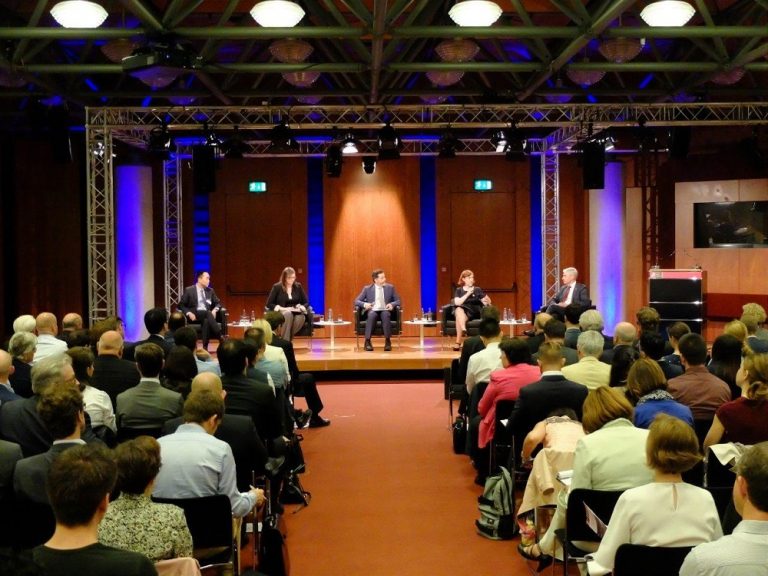
MUNICH -- United States and Chinese patent practitioners this week called for considerations to change patent legislation and allow patenting algorithms in the future. They spoke at a 30 May conference of the European Patent Office in Munich on “Patenting Artificial Intelligence.”

TRIPS Flexibilities In High Demand

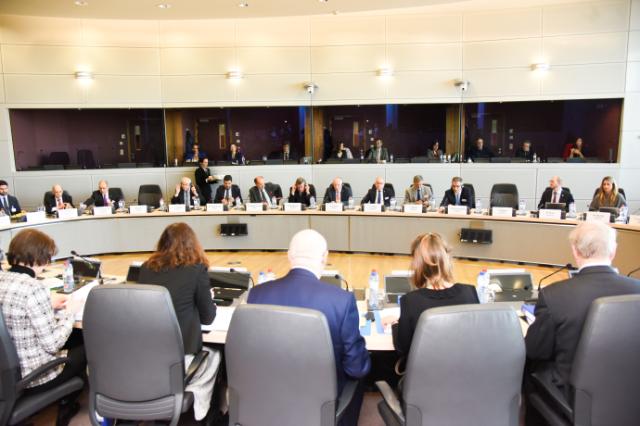
Using flexibilities in the World Trade Organization Agreement on Trade-Related Aspects of Intellectual Property Rights (TRIPS) has long been an issue of the developing world. But policymakers gathered at a meeting on access to health in Brussels today said there was an urgent need for European Union countries, too, to make more use of flexibilities.

Groups Target EU-Mercosur FTA To Advance Access To Health In Trade Deals

AIDS activists, health activists and civil society organizations in Brazil and Argentina are pushing back against the negative effects of the planned free trade agreement between the Mercosur countries and the European Union. The EU-Mercosur negotiations might be the best chance as of now to advance an intellectual property agenda that is more favourable to access to health, says Pedro Villardi, coordinator on IP policy issues at the Associação Brasiliera Interdisciplinar de Aids Observatorio National de Politicas de Aids (ABIA).