Intellectual Property Watch

Intellectual Property Watch

The Global Multilateral Benefit-Sharing Mechanism: Where Will Be The Bretton Woods Of The 21st Century?

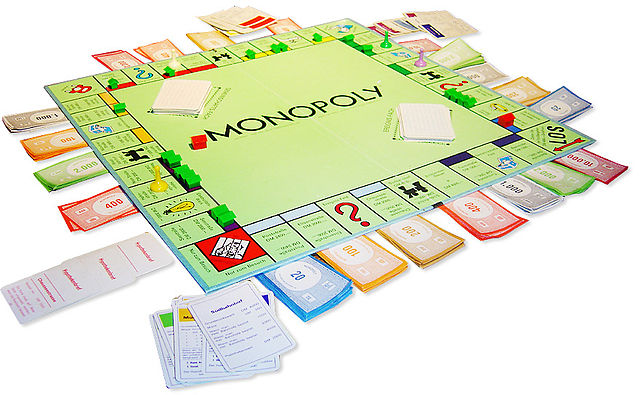
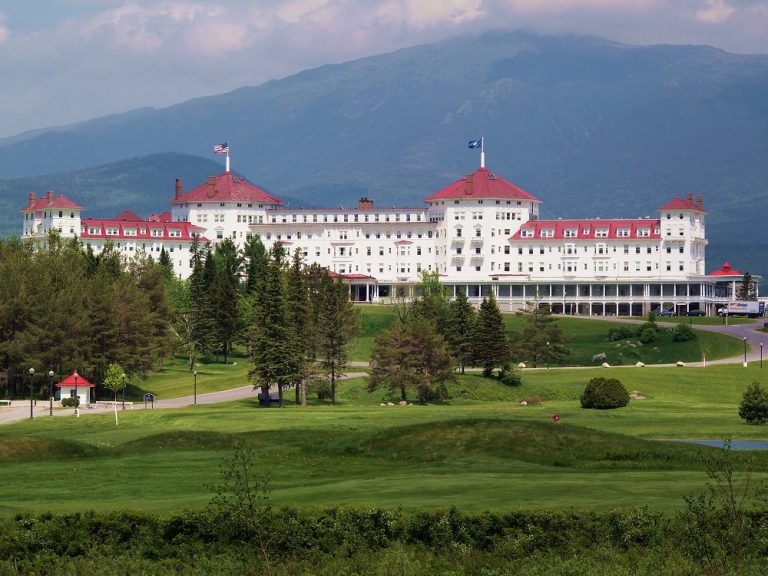
Joseph Henry Vogel writes: Bretton Woods is the name of a place and also of a system. Bretton Woods-the-place boasts the Mount Washington Hotel and majestic views of the White Mountains of New Hampshire. Bretton Woods-the-system is the set of financial rules drafted during an international conference held at the hotel from 1 to 22 July 1944 [1]. The system created monetary order and allowed postwar recovery. For economists, Bretton Woods signifies the system. Its success illustrates how economic thinking can penetrate the political sphere and make lasting change. John Maynard Keynes, the Darwin of economics, led the British delegation.

Why Follow-On Pharmaceutical Innovations Should Be Eligible For Patent Protection

Christopher M. Holman writes: Despite the important role of intellectual property rights in incentivizing innovation, the patenting of pharmaceutical innovation is frequently accused of impeding access to medicine. Criticism of the prevailing patent regime has focused in particular on patents directed towards follow-on pharmaceutical innovation, i.e., innovation that seeks to improve upon existing pharmaceuticals and their use in treating patients. Patents on follow-on innovation are often derided as “secondary” patents, with the implication that the underlying inventions are somehow lesser in nature than the subject matter claimed in “primary” patents, i.e., the drug active ingredient per se. While implicitly acknowledging the legitimacy of primary patents, critics of so-called secondary patents contend that patents on follow-on innovation allow drug innovators to “evergreen” their products, i.e., to extend the period of patent exclusivity beyond the expiration of any original patent on the drug active ingredient, and in doing so contribute to the high cost of drugs, thereby limiting the ability of patients to access the drugs upon which they have come to rely.

Brazilian Supreme Court Refuses To Judge Its Biggest Case On IP And Access To Medicines, And Benefits Big Pharma With Undue Monopolies

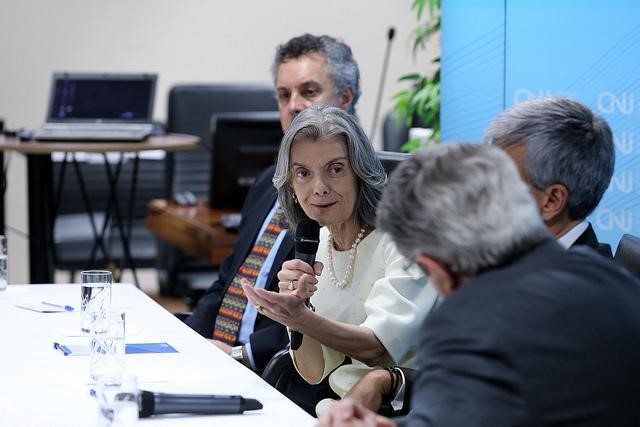
Marcela Fogaça Vieira and Pedro Villardi write: The Brazilian Supreme Court (STF) has mysteriously cancelled the judgment of the most important case regarding intellectual property and health ever to be decided by the court. On 28 June, the date of the judgment was set for 6 September. The cancellation occurred on the eve of the judgment, something very rare in the practice of the Court. The lack of decision on the case only benefits the transnational companies awarded with hundreds of undue monopolies. Just a few days before, the President of the STF - Judge Carmem Lucia - had a meeting with Interfarma, the association of multinational pharmaceutical companies in Brazil.

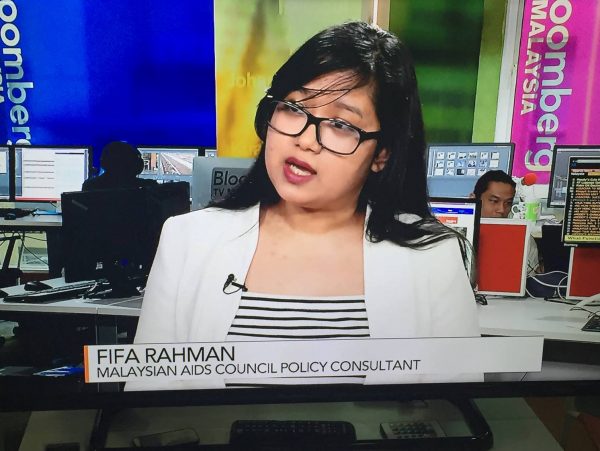
Fifa Rahman

Extended Monopolies On Biologic Drugs – A Warning To Developing Countries

Historically, the US has been the primary demandeur of maximalist IP norms in FTAs. Pharmaceutical IP is market-driven, and this is no different for biologic drugs, which dominate the list of bestselling drugs worldwide, making them important economic commodities. Developing country governments must take note of the US pushing for biologics exclusivity through NAFTA as this signifies an effort to change norms worldwide.

UN Human Rights Council Begins; Freedom Of Expression Issues Highlighted By Article 19 Group

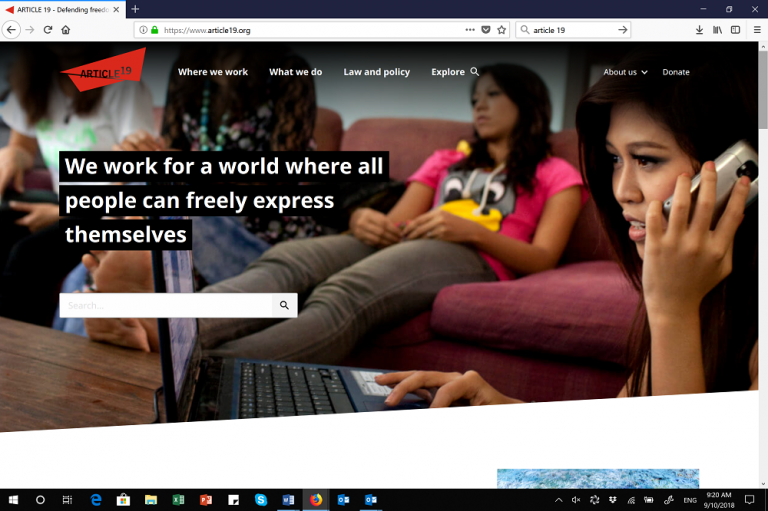
Today, the UN Human Rights Council begins its 39th Session (HRC 39) in Geneva – over the next three weeks the UN’s top human rights body will come together to discuss and act on some of the world’s most pressing human rights violations and abuses, writes civil society group Article 19. There is a lot on the HRC’s agenda for September, with a number of issues important to the right to freedom of expression to be considered, and it is essential that the Council acts on improving protections. In addition to important reports from OHCHR and from special procedures up for discussion, several thematic and country-specific resolutions will also be negotiated, to be considered for adoption on 20 and 21 September.

Not Just A Matter Of Matter: ‘The Way Forward’ For The UNCBD, NP And Half-Earth

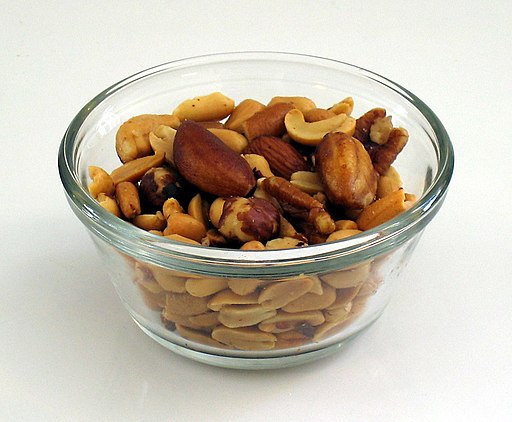
Prof. Joseph Henry Vogel writes: Is information something or is it about something? That is essentially the question before the Fourteenth Conference of the Parties (COP) to the 1993 United Nations Convention on Biological Diversity (CBD), which meets from 19-27 November 2018. And it is a “$64 billion question”. The answer could determine the modality for “access to genetic resources” and “the fair and equitable sharing of benefits” (ABS), which is the third objective of the CBD. If the information conveyed in life is something, then the obligation of benefits could be orders of magnitude greater than if that same information is only about something. Re-phrasing the question: Are Users of genetic resources accessing information? Or are they accessing matter, the properties about which are diffused over organisms and jurisdictions? Information-as-the-answer leads to an economic rationale for tens of billions of dollars in payments per year. Properties-as-the-answer justifies the “peanuts” currently being paid.

New Health Ministry Of Chile Reaffirms Path To Compulsory Licence For Hepatitis C Drugs

Last week, Chilean Health Minister Emilio Santelices, appointed by President Piñera - who took office this year - rejected an attempt from company Gilead and a Big Pharma-related association of international drug makers in Chile to put down the resolution 399/2018 declaring public health justifications for the issuing of compulsory licences for sofosbuvir to treat a hepatitis C epidemic in Chile, that was issued by the previous government of Michele Bachelet, writes Luis Villarroel.

New Dutch Foundation To Address High Medicines Pricing Announces Plan To File Complaint With Competition Authority

The newly established Dutch Pharmaceutical Accountability Foundation has announced its first action to address unreasonably high medicines prices in the Netherlands. The Foundation will request the Netherlands Authority for Consumers and Markets to look into the price hike for the medicine chenodeoxycholic acid (CDCA) by the company Leadiant Biosciences Ltd (formerly Sigma-Tau). CDCA is used for the treatment of children and adults with cerebrotendinous xanthomatosis (CTX), a rare genetic metabolic disease that affects around 60 people in the Netherlands.

Civil Society And TRIPS Flexibilities Series – Translations Now Available

Patients around the world, in developing and developed countries, are encountering barriers to access to affordable medical products, in part due to patents and resulting high prices. This is occurring despite longstanding protections built into international trade rules to allow smaller economies to act on behalf of their people and make such medical products available regardless of patents. These protections are often referred to as flexibilities in the 1994 World Trade Organization Agreement on Trade-Related Aspects of Intellectual Property Rights (TRIPS). The prevailing view is that knowledge, understanding and use of them remains limited among policymakers and many potential beneficiaries, even as patent-strong nations and their industries work to narrow the reach and ability to use these flexibilities. In the face of this, global civil society in recent years have increasingly begun work to change the direction of this trend, with the ultimate goal of helping people everywhere - but particularly poor populations - obtain drugs they need that exist but are out of their reach. Now, the series of Intellectual Property Watch stories on this subject sponsored by Make Medicines Affordable have been translated into five languages.

ห้าปีหลังคำพิพากษาของศาลฎีกาอินเดียกรณีโนวาร์ทิส

เมื่อวันที่ 1 เมษายน 2013 ในห้องที่เต็มไปด้วยผู้คนภายในศาลฎีกาของอินเดีย อันเป็นอาคารสง่างามด้วยสถาปัตยกรรมอินโดบริติช ผู้พิพากษาสองท่านได้อ่านคำพิพากษาซึ่งจะได้ส่งผลกระทบต่อสิทธิบัตรและผู้ป่วยทั้งในระดับประเทศและระดับโลก

Вердикт Верховного суда Индии в решении по Novartis: пять лет спустя

1 апреля 2013 года в заполненном зале Верховного суда Индии, величественного здания в индо-британском стиле, два судьи огласили решение, повлиявшее на национальные и международные дискуссии о патентах и пациентах.