Intellectual Property Watch

Intellectual Property Watch

Divide And Conquer: The New US Strategy To Disentangle The TPP Negotiations

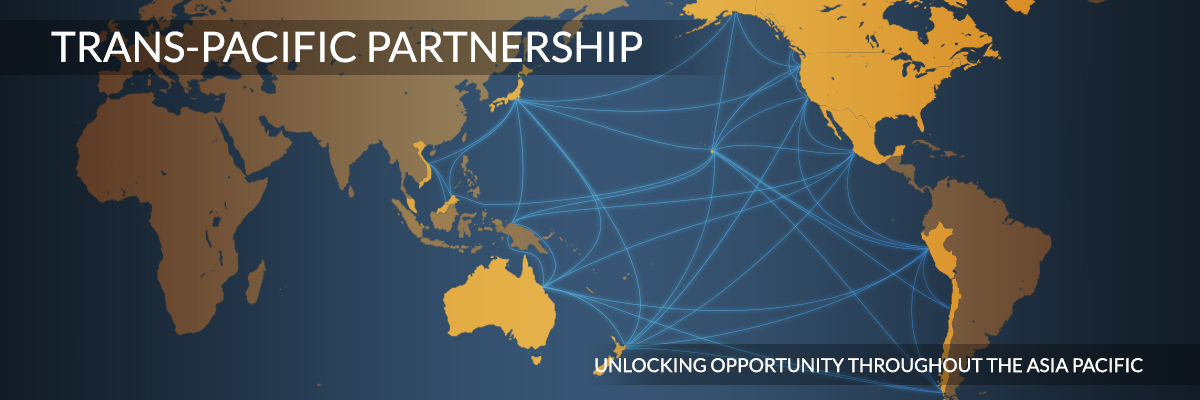
Burcu Kilic & Pablo Viollier write: Political leaders in Washington and other Trans-Pacific Partnership (TPP) negotiating countries have set the end of May as the latest deadline for completion of the talks. The negotiations have already missed several such deadlines, so who really knows? No one. But there is something we all know: TPP raises significant concerns because negotiations are being held behind closed doors with details kept secret even from the legislatures in TPP countries.
Update On Yale/IP-Watch Effort To Open TPP Texts

Intellectual Property Watch has been working for several years to obtain more details about the intellectual property aspects of the Trans-Pacific Partnership (TPP) agreement negotiations through a Freedom of Information Act (FOIA) request, and a subsequent lawsuit to enforce that request, which is being led by a team at the Media Freedom and Information Access Clinic at Yale Law School (MFIA). Today MFIA, a program of Yale's Information Society Project and Abrams Institute, released an update on the case.

Can The Internet Be Saved Without Harming Democracy?

[From The Guardian-] Citizens of the internet: here is some welcome news. Your downtrodden digital rights might be getting a well-overdue booster shot. But it comes with some warnings.

Last week in the Hague, a high-level group of 29 internet policymakers and influencers – including prominent ex-US and UK security and intelligence officials Michael Chertoff, Joseph Nye, Melissa Hathaway and David Omand – issued a clarion call for the protection and promotion of human rights online. Self-styled the Global Commission on Internet Governance, the group made this call as part of the broader objective of restoring trust and confidence in the internet.

How The Leaked TPP ISDS Chapter Threatens Intellectual Property Limitations and Exceptions

Warning: Attempt to read property "post_title" on null in /home/clients/5bc716f64eaa5eb2ef6cc74a6b9b690a/sites/kait2.ip-watch.org/wp-content/plugins/better-image-credits/better-image-credits.php on line 227

By Prof. Sean Flynn, Associate Director, Program on Information Justice and Intellectual Property (PIJIP), American University Washington College of Law Reposted with permission from Infojustice.org, original here. I released a statement earlier today opining that the today’s leak of the…

IP-Watch Geneva IP Delegates List Updated

Intellectual Property Watch offers a partial list of the government delegates in Geneva with responsibility for intellectual property issues at the United Nations and World Trade Organization. The newly updated list is now available, exclusively for subscribers. [Note: IP-Watch content is free to most developing countries, just register online here]

Brazil’s Internet Legal Framework Regulation And Draft Bill For Privacy Law Public Consultation

On 28 January 2015, the Brazilian Ministry of Justice launched public consultations involving two key pieces of legislation, namely: the decree that will regulate the Marco Civil da Internet or the Brazilian Civil Rights Framework for the Internet (the "Internet Legal Framework"); and the Draft Bill for the Protection of Personal Data ("Draft Bill"). A consultation period is being conducted in relation to these two laws via online platforms set up by the government.

The Legal Implications Of Medicinal Marijuana As A Geographical Indication For Jamaica

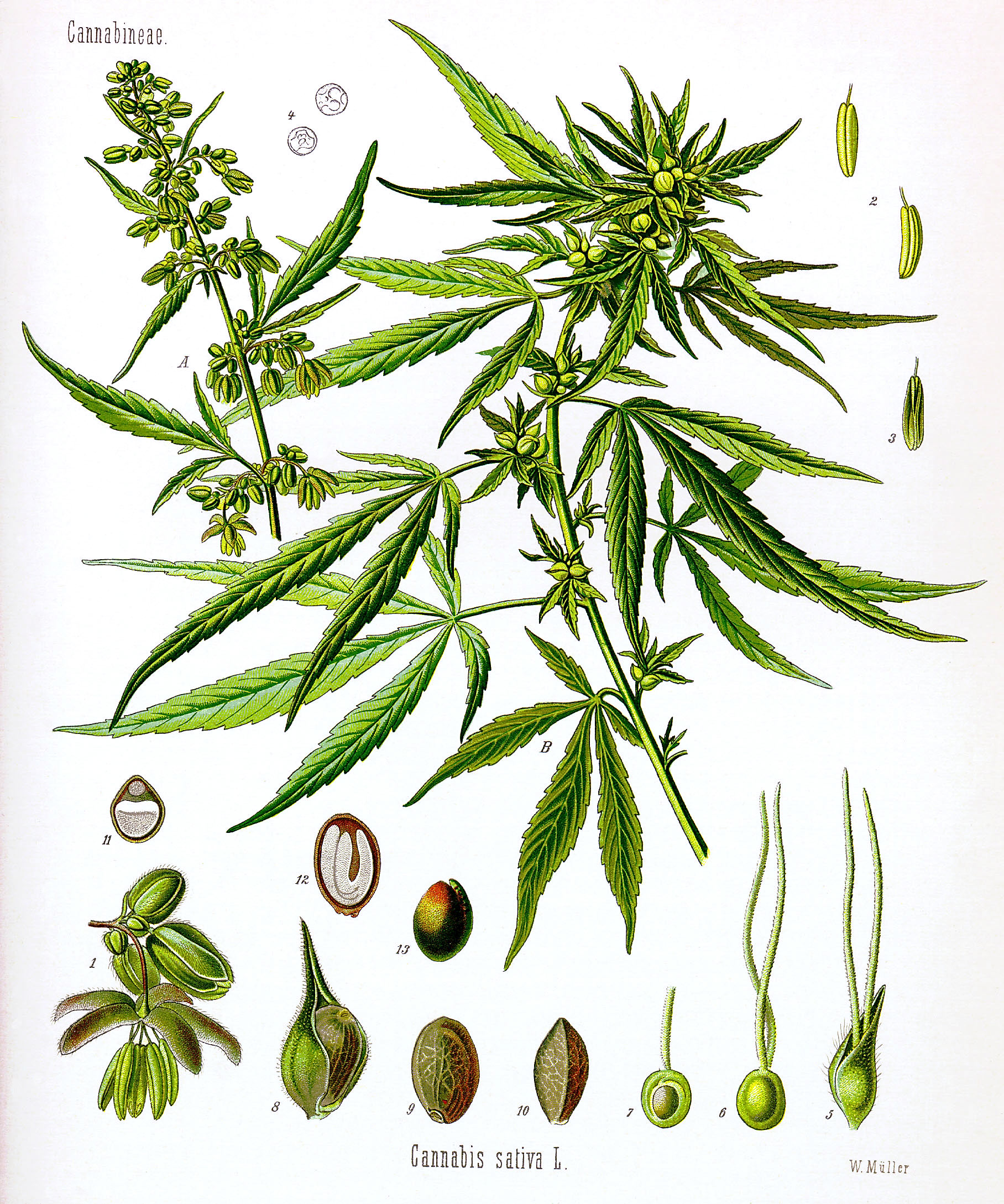
Although there are ongoing negotiations to revise the Lisbon Agreement for the international recognition of GIs, there is currently no uniform reciprocal legal recognition for non-wine and spirit GIs in international jurisdictions. Jamaica’s Cannabis (hereafter marijuana), is identified by its government as one of the country’s products which is domestically GI registrable, writes Marsha Cadogan.

Why The Request By Least Developed Countries For An Extension Of The Transitional Period For Granting And Enforcing Medicines Patents Needs To Be Supported

Ellen 't Hoen writes: On 24 February 2015 Bangladesh on behalf of the 34 Least Developed Country members (LDCs) of the World Trade Organization (WTO) submitted a request for an extension of the transitional period under article 66.1 TRIPS with respect to pharmaceutical products until the country is no longer classified as LDC.[1] The original extension, set to expire on 1st January 2016, specifically removes the obligation for LDCs to comply with Section 5 (Patents) and Section 7 (Protection of Undisclosed Information) of Part II of TRIPS, including any obligation to enforce rights under these provisions.

It is a little known fact that since the adoption of the 2001 Doha Declaration on TRIPS and Public Health, LDCs have frequently used the extension in day-to-day procurement of low cost generic medicines, in particular to access medicines needed for the treatment of HIV.

South Africa Supreme Court Of Appeal Losing Its Shape

South Africa's Supreme Court of Appeal has been blessed for the past few decades by having in its ranks judges who have experience and expertise in the field of Intellectual Property Law, writes law professor Owen Dean. With the recent retirement of Louis Harms, the bench at the Supreme Court of Appeal has been denuded of judges who can be regarded as IP experts. The paucity of IP experience on the bench is regrettably beginning to show.

In recent times the Supreme Court of Appeal has given three IP judgments in trade mark cases which, it is respectfully submitted, have been wrongly decided and are not in harmony with the principles of trade mark law and practice, Dean argues.