Catherine Saez

Catherine Saez

Experts To Regulators: AI Is A Panacea – With Hidden Dangers To Humanity

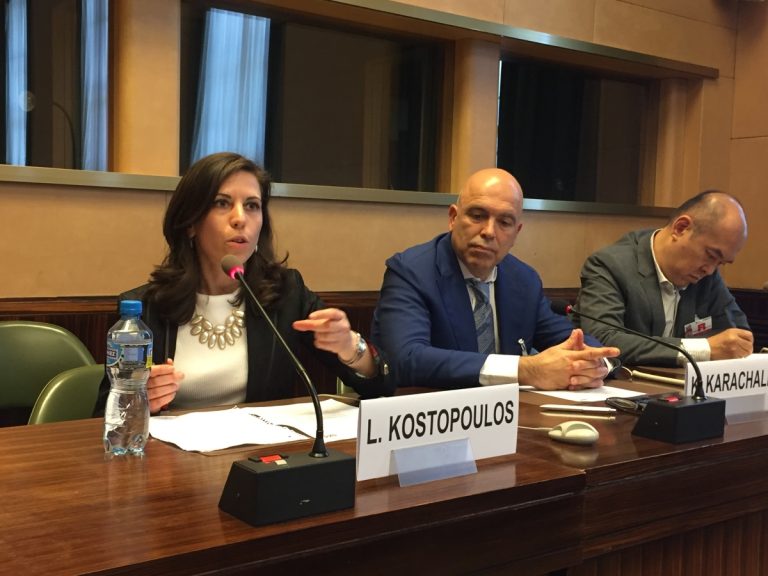
The heads of national telecommunications and technology regulatory authorities are gathering next month at the International Telecommunication Union to address new technologies. Not surprisingly, artificial intelligence and data hold centre stage in the programme. The meeting comes after a recent event at the United Nations where divergent voices recognised the potential beneficial uses of new technology, but warned against the undeclared intentions behind it. Separately, a new study from the Massachusetts Institute of Technology shows the influence of data in machine learning algorithms with chilling consequences.
TRIPS Council Debates IP Improving Lives, Competition Law To Increase Medicines Access

Whether intellectual property rights are improving lives or whether they should be reined in by tools such as competition law to increase access to medicine, education, and innovation, was debated this week at the World Trade Organization committee on intellectual property. Also on the agenda was a suggestion by least-developed countries to create incentives for developed country companies and institutions to transfer technologies for the benefit of the poorest countries.

Experts In Geneva: Substandard, Falsified Medicines Not About IP

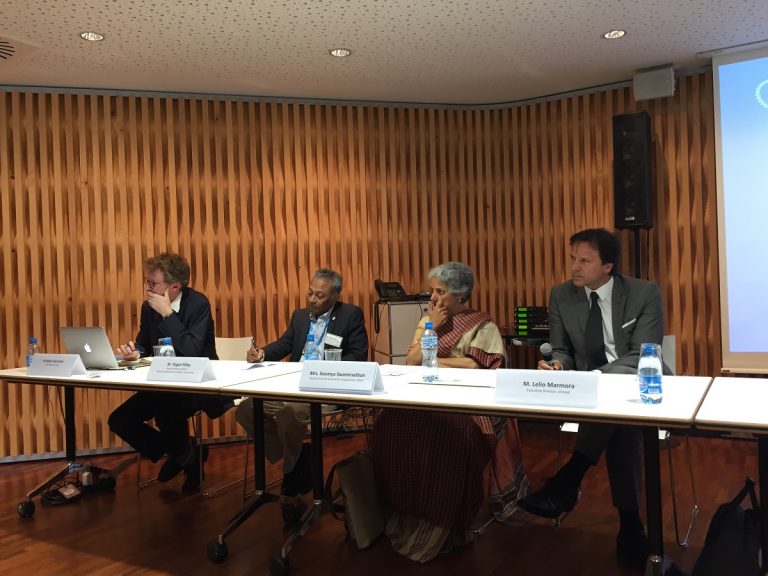
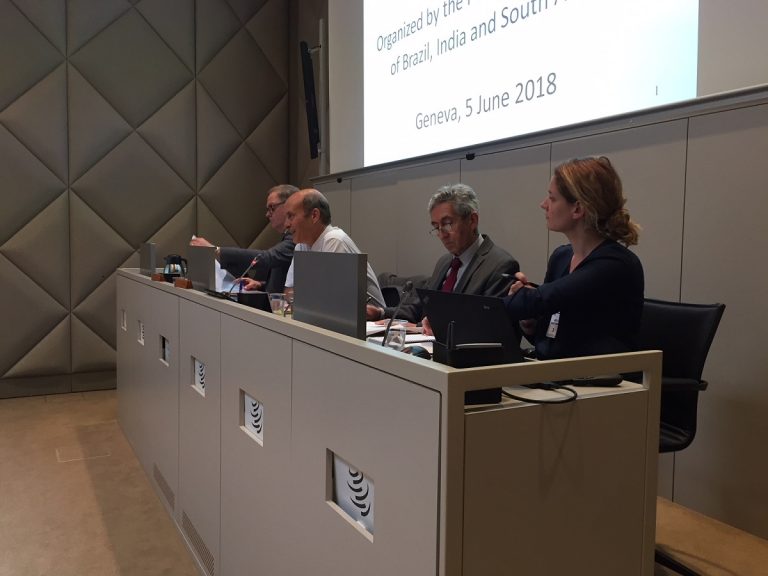
Falsified and substandard medical products continue to be a global concern, and how those products are characterised is important to avoid confusion, particularly with intellectual property rights infringement. A panel convened by Brazil, India and South Africa yesterday at the World Trade Organization looked at the implications of a new definition of such products at the neighbouring World Health Organization.

Civil Society Issues Call For Action On Draft WIPO Copyright Exceptions

This week the World Intellectual Property Organization copyright committee is looking at exceptions and limitations to copyright. A range of stakeholders with opposing views delivered long statements explaining their positions. Some proponents of mandatory international limitations and exceptions for certain actors cited the United Nations Sustainable Development Goals inscribing equitable quality education as a right. Others, like publishers’ associations, said the current international system provides ample possibilities to devise national exceptions and limitations.

Broadcasting Treaty Moving At WIPO, Copyright Exceptions For Libraries Not

Positive momentum seems to have been found on a potential global treaty to protect broadcasting organisations as delegates moved towards convergence on some language this week at the World Intellectual Property Organization. Meanwhile, copyright exceptions for actors like libraries and research institutions is meeting the same strong opposition from some, and informal consultations and studies are being set out by the committee chair over the next 18 months, over concerns of delay.

‘Every Great Science Discovery, Invention, Is The Stuff Of Dreams, Not The Stuff Of Reason’: Interview With David Hanson Of Hanson Robotics

Sophia, the well-known human-like robot who acquired citizenship in Saudi Arabia, was at the Artificial Intelligence for Good Global Summit which took place earlier this month in Geneva. Her creator, David Hanson, also CEO and founder of Hanson Robotics, gave an interview to Intellectual Property Watch's Catherine Saez and explained his philosophy about intellectual property, the needed spark of interest in human-like robots, data collection, and innovation.

Hanson is also lead designer and inventor of key technologies including Frubber nanotech, facial expressions and AI software. He is former Walt Disney Imagineering designer, and recipient of numerous awards. A video interview about Sophia is embedded in this text.

IP Rights Through Two Lenses At Next Week’s TRIPS Council: Improving Lives, Competition Law

Next week, the World Trade Organization intellectual property committee is invited to discuss two distinct aspects of intellectual property protection. One group of countries is proposing to explore the value of IP and its role in improving lives in a persistent agenda item on IP and innovation. Another group of countries is pushing for a more recent agenda on IP and the public interest and next week is suggesting to discuss how to use competition laws against the abuse of IP rights.

WIPO Copyright Committee Opens With Ideas, Questions On Internet, Terms Of Protection

This week's meeting of the World Intellectual Property Organization copyright committee opened today with what officials perceived as good momentum. Argentina tabled a proposal to help discussions on deferred transmissions in the context of a potential treaty protecting broadcasting organisations, which have been a sticking point in negotiations. Civil society, however, voiced concerns on the provisions of a potential treaty protecting broadcasters against signal piracy, underlining the 50-year envisioned protection and the need to carve out strong limitations and exceptions.

MPP Board Gives Green Light To Expansion, Now Has To Identify Candidates

The Medicines Patent Pool announced this week that its Board agreed on the extension of the MPP mandate to patented medicines on the World Health Organization Essential Medicines List. The decision follows an extensive feasibility study. During a side event held on the margins of the annual World Health Assembly, Patent Pool officials explained the findings of the study, while in the audience, a representative of the pharmaceutical industry suggested a cautious approach.

Global Health Policymakers Take Action To Improve Access To Assistive Products

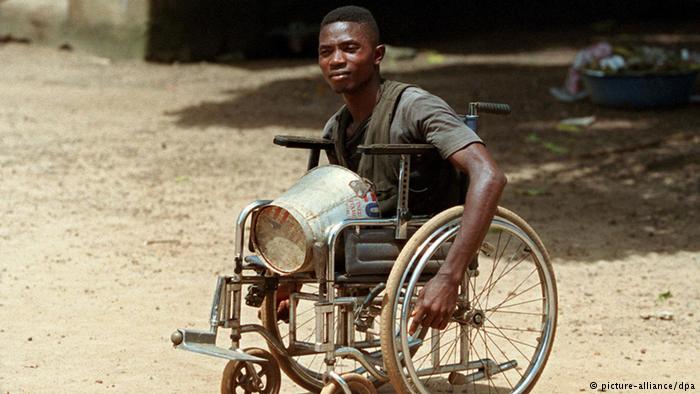
Some 90 percent of people in the world who need assistive technology – such as glasses, walkers, or hearing aids - cannot access it, with the worst deficiency in developing countries. Today, World Health Organization members agreed on a resolution to improve access to those technologies, with overwhelming support. The WHO is instructed to provide support to countries and prepare a global report by 2021. Member states are requested to promote innovation and find ways to reduce prices.