Catherine Saez

Catherine Saez

UNCTAD Forum: Local Drug Manufacturing A Key To Universal Health Coverage

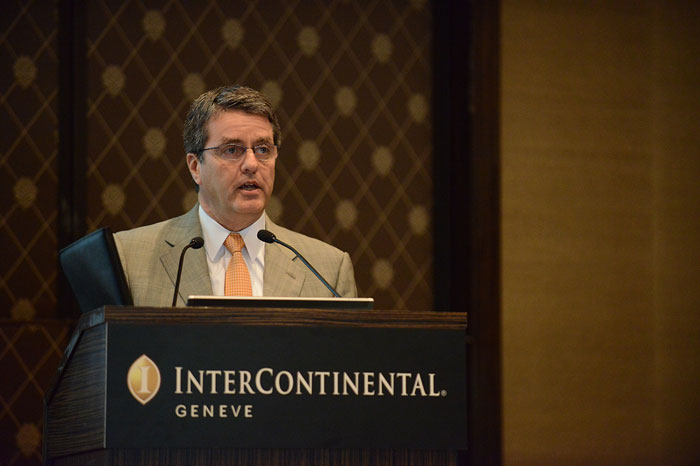
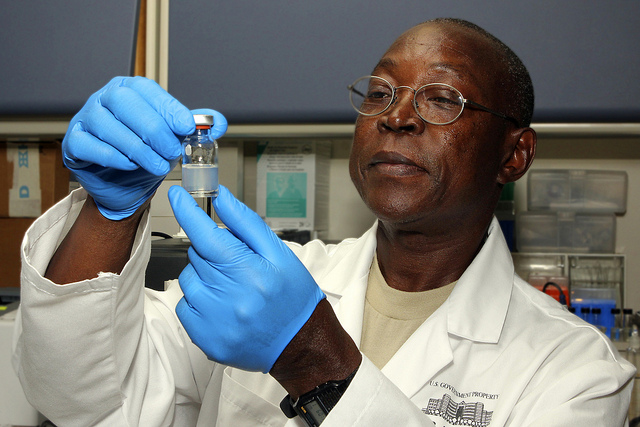
Local production of medicines in developing countries is key to advancing universal health coverage, but other factors need to be considered, such as the involvement of all stakeholders and policy coherence in governments, according to speakers attending the World Investment Forum this week. Several speakers called for a paradigm shift in global health.

Preparations Begin For Lisbon Revision At WIPO; Procedural Question Raised

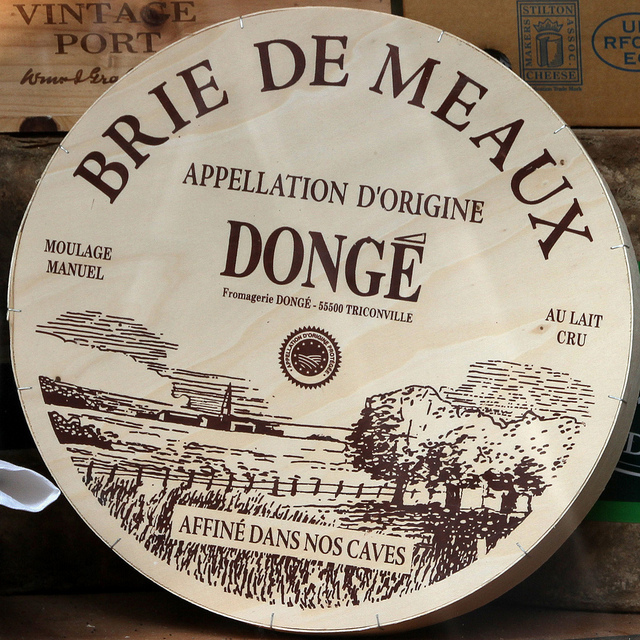
The 28-member Lisbon Agreement for the Protection of Appellations of Origin and their International Registration is en route to being revised to include geographical indications and allow international organisations to join the agreement. But some other member countries of the World Intellectual Property Organization, which oversees the agreement, are raising procedural questions and intend on having a say on the revision. [Update: new proposal now available]

EU Legislation On Nagoya Protocol Becomes Effective; What Effect On Indigenous Peoples’ Rights?

The entry into force of an international treaty facilitating access to genetic resources and ensuring the fair sharing of potential commercial benefits has prompted the applicability of a European Union regulation relating to the treaty. This led a researcher to call on the treaty members to ensure its implementation protects the rights of indigenous and local communities.

UPOV Governing Body Meets This Week Amid Civil Society Concerns Over Harmonisation

The International Union for the Protection of New Varieties of Plants (UPOV) is holding meetings of its governing and technical bodies this week. In particular, the UPOV Council is expected to renew Francis Gurry's mandate as the organisation’s secretary-general, approve technical documents, and confirm the conformity of a Tanzanian plant breeders' rights act.

Meanwhile, civil society has sounded the alarm over what it considers to be efforts to harmonise the application and examination procedures by the seed industry. Separately, a civil society study, carried out on three developing countries claims that UPOV 1991 might be threatening the global right to food.

Interview – New CISAC Director Speaks On Expectations, Vision For The Future

The Paris-based International Confederation of Authors and Composers Societies (CISAC) represents 230 collective management organisations in 120 countries, collecting fees on behalf of “creators.” In the past year, CISAC has become active advocating the case of creators at the World Intellectual Property Organization Standing Committee on Copyright and Related Rights (SCCR).

CISAC organised a side event to the annual WIPO General Assembly in September (IPW, WIPO, 29 September 2014). Intellectual Property Watch’s Catherine Saez sat down with new CISAC Director General Gadi Oron after the side event, to ask him about his vision for the organisation.

Formal IP System Does Not Fit Africa, LDCs Need Technological Capacity, Speakers Say

On the last day of the World Trade Organization Public Forum, a panel discussed the relationship between intellectual property and innovation in Africa, in particular in the informal sector. The formal IP system does not seems to fit, and least-developed countries need a sound technological base to be able to use the IP system. Separately, a European Patent Office study shows that Africa has a vast yet untapped potential in renewable energy.